The Cannabis Dispensary

Loading

Small potted cannabis plant and roulette wheel with chips and a bitcoin coin on a tabletop, divided by a heavy chain and padlock, shot from a 45-degree angle with a blurred modern bank lobby in the background.

Why Your Cannabis Business Can’t Touch Online Gambling (Yet)

Examine federal banking regulations affecting both cannabis and online gambling industries to understand why payment processors treat these sectors similarly, despite state-level legalization. Both face restrictions under federal law—cannabis remains Schedule I under the Controlled Substances Act, while online roulette and other gaming activities navigate the Unlawful Internet Gambling Enforcement Act—creating parallel compliance challenges that limit access to traditional financial services and digital platforms.

Study how online gambling operators successfully adapted through cryptocurrency adoption, specialized payment processors, and state-by-state licensing frameworks. These strategies offer cannabis businesses practical templates for navigating similar regulatory landscapes. Online gambling’s two-decade evolution from complete prohibition to regulated markets in multiple states demonstrates pathways that cannabis entrepreneurs can leverage when building compliant business models.

Research state regulatory structures where both industries operate legally to identify opportunities for digital service integration. States like Nevada, New Jersey, and Colorado have developed sophisticated frameworks managing both sectors, providing case studies in effective regulation. Understanding these frameworks helps cannabis business owners anticipate which banking partners, e-commerce platforms, and advertising channels may become accessible as federal attitudes shift.

Compare compliance requirements across both industries to build robust business practices that withstand regulatory scrutiny. Age verification systems, transaction monitoring, and transparent record-keeping developed by licensed gambling operators serve as proven models for cannabis companies seeking legitimacy with financial institutions and regulatory bodies while maintaining operational efficiency in restricted markets.

Business desk with laptop and regulatory documents showing compliance challenges
Cannabis and online gambling businesses face similar challenges navigating complex regulatory frameworks and banking restrictions.

The Regulatory Overlap: Why Cannabis and Online Gambling Face Similar Barriers

Federal Law Creates Complications for Both Industries

Despite gaining acceptance at the state level, both cannabis and online gambling face significant obstacles due to their classification under federal law. This creates a complex operating environment that affects everything from banking access to interstate commerce.

For cannabis businesses, federal prohibition under the Controlled Substances Act means companies cannot access traditional banking services, credit card processing, or many digital payment platforms. This forces many operations to handle large amounts of cash, creating security risks and operational inefficiencies. The same federal restrictions prevent cannabis businesses from deducting standard business expenses on their taxes, significantly impacting profitability. Those interested in starting a cannabis business must navigate these financial limitations from day one.

Online gambling faces similar federal constraints through the Wire Act and the Unlawful Internet Gambling Enforcement Act, which restrict payment processing and interstate transactions. Like cannabis operators, online gambling platforms struggle with payment processor relationships and face limitations on advertising and expansion across state lines.

For consumers, these federal restrictions translate to limited payment options, reduced convenience, and sometimes higher prices as businesses pass along the costs of compliance workarounds. Both industries also face challenges in quality assurance and consumer protection when federal oversight remains absent, leaving state regulators to fill the gaps independently.

Understanding these shared obstacles helps consumers appreciate why legal businesses in both sectors sometimes offer fewer conveniences than other industries, despite operating within state law.

The Banking Problem That Connects These Industries

Despite operating legally in many states, both cannabis and online gambling businesses face a significant obstacle: access to basic banking services. This challenge stems from their complicated relationship with federal law, creating financial barriers that affect everything from daily operations to long-term growth.

Traditional banks often refuse to work with cannabis businesses because marijuana remains federally illegal under the Controlled Substances Act. Even in states where cannabis is fully legal, banks worry about federal penalties, money laundering concerns, and regulatory scrutiny. This leaves many cannabis retailers and cultivators operating on a largely cash basis, which creates security risks, complicates tax payments, and makes standard business practices like payroll and vendor payments unnecessarily difficult.

Online gambling faces similar hurdles. While some states have legalized online betting platforms, federal laws like the Wire Act create uncertainty for financial institutions. Banks and credit card companies frequently block transactions related to online gambling, forcing these businesses to seek alternative payment processors or specialized banking partners willing to navigate the regulatory complexity.

Both industries must pay significantly higher fees for payment processing services when they can find providers at all. They also struggle to access business loans, merchant accounts, and other financial tools that most legitimate businesses take for granted. This financial exclusion forces companies to operate less efficiently and often at higher costs, even when they’re fully compliant with state regulations. Understanding these banking challenges helps explain why these industries remain limited in their service offerings and why mainstream financial integration remains a key advocacy goal.

Smartphone and payment methods showing financial transaction challenges
Banking and payment processing restrictions create significant operational challenges for both cannabis and online gambling businesses.

Current State of Cannabis Regulations and Digital Commerce

What Cannabis Businesses Can (and Can’t) Do Online

Unlike online gambling, which operates entirely through digital transactions, cannabis businesses face stricter limitations on what they can do online, even in states where cannabis is fully legal. Understanding these boundaries helps consumers navigate the digital cannabis marketplace safely and legally.

Most state-legal cannabis markets permit businesses to operate informational websites where customers can browse legal cannabis products, view menus, and learn about available inventory. Many dispensaries also offer online ordering systems where customers can reserve products for in-store pickup or schedule delivery services. However, the transaction itself typically cannot be completed entirely online in the same way you might purchase other goods.

Payment processing remains one of the biggest challenges. Because cannabis remains federally illegal, most major credit card processors and banks refuse to work with cannabis businesses. This means you generally cannot complete a purchase using standard online payment methods. Instead, payment usually happens in person through cash or specialized payment systems that comply with state regulations.

Delivery services operate under particularly strict rules that vary significantly by state. Some jurisdictions allow licensed delivery services to bring products directly to your home, while others prohibit delivery entirely. When delivery is permitted, businesses must verify your age and identity at the door, and drivers cannot leave products unattended.

Cross-border sales remain completely prohibited. Even if two neighboring states have legalized cannabis, shipping products between them violates federal law. This creates a fragmented market where each state operates independently, unlike online gambling platforms that can sometimes operate across state lines through interstate compacts. Understanding your specific state’s regulations empowers you to engage with legal cannabis businesses confidently while staying compliant with local laws.

Interstate Commerce: The Missing Piece

One of the most significant differences between cannabis and online gambling lies in interstate commerce. Despite state-level legalization, federal law prevents cannabis products from crossing state lines, creating a fundamental business challenge that online gambling has largely overcome.

Cannabis remains classified as a Schedule I controlled substance under federal law, making interstate transportation illegal regardless of state policies. This means a cannabis company operating in Colorado cannot ship products to customers in California, even though both states have legalized cannabis. Each state market operates as an isolated island, requiring separate cultivation facilities, processing centers, and distribution networks. This dramatically increases costs and limits economies of scale that benefit most other industries.

Online gambling takes a different approach. While federal law restricts certain gambling activities, platforms can operate across multiple states through interstate compacts and agreements. Payment processors, though cautious, can legally facilitate transactions between users and licensed gambling operators in multiple jurisdictions. The wire transfer of funds for legal gambling doesn’t violate federal law in the same way that physically moving cannabis does.

This distinction creates practical hurdles for cannabis businesses exploring digital services. A multi-state cannabis brand cannot consolidate inventory or distribution like a national retailer would. Technology companies hesitate to work with cannabis businesses partly because they cannot operate nationally, making the market less attractive compared to industries with interstate commerce capabilities.

Understanding this missing piece helps explain why cannabis businesses face unique challenges in scaling operations, accessing certain payment systems, and competing in the digital marketplace. The industry must innovate within these boundaries while advocating for policy changes that could eventually enable interstate commerce under regulated conditions.

Online Gambling’s Regulatory Framework: Lessons for Cannabis

How Online Gambling Achieved State-by-State Legalization

Online gambling faced similar federal restrictions that cannabis businesses encounter today. The story of how it achieved state-by-state legalization offers valuable insights for understanding the current cannabis landscape.

For decades, online gambling operated in a legal gray area. The Wire Act of 1961 prohibited certain types of betting across state lines, creating significant barriers. However, in 2011, the Department of Justice issued a crucial opinion that reinterpreted this law, clarifying it applied primarily to sports betting rather than all forms of online gambling. This opened the door for states to explore their own regulations.

New Jersey became a pioneer in 2013, legalizing online casino gambling and creating a framework that other states would study and adapt. Pennsylvania followed in 2017, then Michigan in 2019. Each state developed its own licensing requirements, tax structures, and consumer protection measures, demonstrating that decentralized regulation could work.

The key legislative milestone came from recognizing state sovereignty in matters of gambling regulation. Rather than waiting for federal legalization, states exercised their authority to create localized frameworks that addressed their unique needs and values.

Today, over 30 states have legalized some form of online gambling, whether sports betting, casino games, or poker. This state-by-state approach allowed legislators to address concerns about problem gambling, establish responsible oversight, and generate tax revenue while respecting local preferences. The gradual expansion demonstrated that careful regulation could balance business opportunity with consumer protection, creating a model that cannabis advocates often reference when discussing potential pathways forward for their industry.

Smartphone showing location verification technology for compliance
Geofencing and age verification technologies help both industries ensure compliance with state-specific regulations.

Geofencing and Age Verification: Technologies Both Industries Share

Both online gambling and cannabis businesses face similar regulatory hurdles: ensuring customers meet minimum age requirements and confirming they’re located in jurisdictions where their services are legal. Online gambling operators spent years developing sophisticated technological solutions to meet these compliance demands, and cannabis companies are now adopting these same tools.

Geofencing technology uses GPS, Wi-Fi, and cellular data to verify a customer’s physical location before allowing transactions. For online gambling, this prevents bets from states where gambling remains illegal. Cannabis delivery services and e-commerce platforms now use identical systems to ensure orders originate from legally permitted areas. This technology operates seamlessly in the background, checking location data without creating friction for legitimate customers.

Age verification has evolved beyond simple checkbox confirmations. Online gambling platforms pioneered multi-step verification processes that cross-reference government-issued IDs, facial recognition software, and third-party databases to confirm customer age. Cannabis businesses are implementing these same verification systems for online orders and in-store purchases, creating audit trails that satisfy regulatory requirements.

These technological solutions represent significant investments in cannabis industry technology, but they serve a dual purpose. Beyond regulatory compliance, they build consumer trust by demonstrating commitment to responsible business practices. They also protect businesses from hefty penalties associated with selling to minors or operating outside permitted jurisdictions.

The lesson here is clear: technology can bridge the gap between consumer convenience and regulatory compliance. As cannabis businesses continue adopting these proven solutions, they’re not reinventing the wheel but rather learning from an industry that solved similar challenges years earlier.

The Crossover Risk: Why Some Platforms Won’t Work with Cannabis

Platform Terms of Service and Federal Compliance

Major digital platforms including social media networks, payment processors, and advertising services often prohibit cannabis-related businesses from using their services, citing federal law as justification. Even though these same platforms readily accommodate online gambling operations in states where it’s legal, cannabis companies face different treatment. This discrepancy stems from how platforms interpret their legal obligations and risk exposure.

The core reasoning centers on the Controlled Substances Act, which classifies cannabis as a Schedule I substance federally. Platforms argue that facilitating cannabis commerce, even in states where it’s legal, could expose them to federal prosecution or regulatory action. This creates a challenging environment where state-licensed cannabis businesses operating legally within their jurisdictions cannot access essential digital tools that other industries take for granted.

Online gambling, while federally restricted under certain circumstances, benefits from more nuanced federal legislation that explicitly allows states to regulate it. The 2018 Supreme Court decision striking down federal sports betting prohibitions gave states clear authority, providing platforms with greater confidence in supporting these businesses.

For cannabis business owners, understanding this platform-level restriction is crucial for planning your digital strategy. While frustrating, knowing these limitations helps you identify alternative solutions and advocate for policy changes that would create more equitable access to essential business services.

Marketing and Advertising Restrictions

Both cannabis and online gambling face significant hurdles when promoting their businesses through traditional digital channels. Major social media platforms like Facebook, Instagram, and TikTok maintain strict policies that severely limit or completely ban advertising for both industries, even in regions where these activities are fully legal. This creates a challenging environment for legitimate businesses trying to reach their customers.

Search engines present similar obstacles. Google Ads restricts cannabis advertising in most markets, while online gambling faces tight geographic and content restrictions. These limitations force businesses to develop creative, compliant marketing strategies that often rely on educational content, community building, and word-of-mouth rather than paid advertising.

The restrictions stem from federal illegality for cannabis and varying state laws for gambling, making platforms cautious about potential legal exposure. Many mainstream advertising networks prefer blanket bans rather than navigating complex state-by-state regulations.

For cannabis entrepreneurs, understanding these marketing barriers is essential for realistic business planning. Online gambling’s experience shows that success requires building strong organic presence, investing in content marketing, and leveraging email lists and loyalty programs. While frustrating, these constraints have pushed both industries toward more authentic, education-focused marketing approaches that prioritize transparency and customer relationships over traditional advertising tactics. This shift ultimately benefits consumers seeking trustworthy information in regulated markets.

What Cannabis Businesses Can Learn from Online Gambling’s Playbook

Building Trust Through Transparency and Compliance

The online gambling industry’s journey to legitimacy offers valuable lessons for cannabis businesses navigating similar regulatory challenges. When online gambling first emerged, it faced widespread skepticism, concerns about fraud, and resistance from lawmakers. The industry’s transformation into a regulated, trusted sector didn’t happen overnight—it required a deliberate commitment to rigorous oversight and open communication with consumers.

One of the most significant steps was implementing strict licensing requirements and third-party auditing. Gambling platforms began working with independent testing agencies to verify game fairness, security protocols, and financial integrity. This external validation helped reassure both regulators and players that operations were conducted honestly. Regular compliance reports and visible certifications became standard practice, creating accountability that consumers could see and verify.

Similarly, successful cannabis businesses are discovering that transparency and compliance build customer confidence. By openly sharing testing results, sourcing information, and regulatory adherence, cannabis companies demonstrate their commitment to safety and quality. This approach transforms compliance from a regulatory burden into a competitive advantage.

The online gambling sector also invested heavily in responsible gaming programs, age verification systems, and consumer education—initiatives that showed regulators and the public they took social responsibility seriously. For cannabis entrepreneurs, adopting similar proactive measures around consumer safety, education, and regulatory cooperation can accelerate the path to broader acceptance and help bridge the gap between state legalization and full industry legitimacy.

Advocacy and Industry Collaboration

The path toward regulatory reform requires cannabis businesses and advocates to speak with a unified voice, much like the online gambling industry did during its journey toward legitimacy. Online gambling operators discovered early that fragmented advocacy efforts yielded minimal results, but coordinated campaigns backed by industry associations created meaningful dialogue with lawmakers and regulators.

Cannabis businesses can learn from this approach by supporting trade associations and participating in industry collaboration efforts that prioritize regulatory clarity. The gambling sector invested significantly in research demonstrating economic benefits, job creation, and successful harm reduction strategies. These evidence-based arguments proved more effective than emotional appeals.

Building relationships with banking institutions, payment processors, and technology providers is equally important. Online gambling companies worked directly with these partners to develop compliant solutions, demonstrating that regulated cannabis could operate safely within existing financial systems. This collaborative spirit helped dismantle resistance from risk-averse service providers.

Education plays a vital role in advocacy success. Just as gambling operators educated policymakers about responsible gaming measures and consumer protections, cannabis advocates must clearly communicate safety protocols, product testing standards, and social responsibility initiatives. Transparent communication helps regulators understand that cannabis businesses prioritize compliance and consumer welfare.

The combined power of industry voices, supported by data and genuine commitment to responsible practices, creates the foundation for meaningful regulatory change. Your participation in advocacy efforts contributes to a more accessible, equitable cannabis marketplace for everyone.

Business professionals collaborating in meeting representing industry advocacy
Industry collaboration and unified advocacy efforts have proven essential for both cannabis and online gambling sectors seeking regulatory reform.

The Future: When Might Federal Cannabis Reform Mirror Online Gambling?

Predicting when federal cannabis reform might reach the same regulatory clarity as online gambling requires acknowledging that we’re looking at complex political and social landscapes. Currently, cannabis remains a Schedule I substance under federal law, creating a more challenging starting point than online gambling ever faced.

Online gambling’s path to federal acknowledgment took decades, with the 2018 Supreme Court decision on sports betting representing a turning point rather than a beginning. However, that decision returned power to states rather than creating comprehensive federal oversight. Cannabis appears to be following a similar state-by-state trajectory, with 38 states now permitting some form of legal cannabis access.

Several factors could accelerate federal cannabis reform. Growing public support, with recent polls showing over 70 percent of Americans favoring legalization, creates political pressure that didn’t exist for online gambling. The banking challenges facing cannabis businesses affect real communities and small business owners in ways that resonate differently than gambling restrictions. Additionally, the economic argument strengthens yearly as state tax revenues demonstrate cannabis’s financial impact.

That said, meaningful federal reform faces significant hurdles. Congressional gridlock affects cannabis legislation just as it does other policy areas. International treaty obligations under the UN drug conventions add layers of complexity that online gambling never encountered. Law enforcement organizations and some medical groups maintain opposition, creating constituencies that lawmakers must consider.

Realistically, incremental reform seems more likely than comprehensive legalization in the near term. Banking access through the SAFE Banking Act or similar legislation could arrive within the next few years, mirroring how online gambling gained limited federal accommodations before broader acceptance. Full descheduling or rescheduling might follow a longer timeline, potentially 5 to 10 years, depending on political shifts and continued state-level success stories.

The key lesson from online gambling’s trajectory is that change happens gradually, often through court decisions, state initiatives, and evolving public attitudes rather than sweeping federal action. Cannabis businesses and consumers should prepare for continued state-level variations while advocating for sensible federal reform.

Understanding the regulatory parallels between cannabis and online gambling offers valuable insights for anyone navigating the cannabis industry today. Both sectors demonstrate how businesses can thrive within complex legal frameworks while federal and state laws continue to evolve. The experiences of online gambling—from banking restrictions to payment processing challenges—mirror many obstacles cannabis businesses currently face, reminding us that regulatory clarity often develops gradually through careful compliance and persistent advocacy.

As you engage with the cannabis industry, whether as a consumer, entrepreneur, or advocate, education remains your most powerful tool. Familiarize yourself with your state’s specific regulations, stay informed about federal banking policies, and recognize that what works in other industries may not yet be accessible to cannabis businesses. This knowledge helps you make informed decisions, set realistic expectations, and participate responsibly in this growing market.

The path forward requires patience and respect for existing legal boundaries. Focus on sustainable practices, prioritize compliance, and support businesses that demonstrate transparency and commitment to quality. While we cannot predict when or how federal regulations might change, we can control our approach to this industry—choosing education over assumption, responsibility over speculation, and informed participation over uninformed risk. By understanding these regulatory realities, you position yourself to navigate the cannabis landscape with confidence and contribute to building a more sustainable, transparent industry for everyone involved.

Over-the-shoulder view of a cannabis dispensary manager using a laptop to update online listings and backlinks, hands on keyboard with soft daylight; blurred shelves with cannabis jars and a potted plant in the background.

How Editable Backlinks Can Transform Your Cannabis Dispensary’s Online Visibility

Prioritize building relationships with cannabis-friendly platforms and directories that allow you to edit or update your link profiles as your business evolves. Cannabis dispensaries face unique challenges in digital marketing due to regulatory restrictions, making editable backlinks—links where you maintain control over anchor text, destination URLs, and surrounding content—essential for adapting to policy changes and market shifts. Start by identifying quality backlink service providers who understand cannabis industry compliance and can deliver links you can modify without requesting removals or rebuilding entire campaigns.

Focus on securing profile-based backlinks from cannabis industry directories, business listings, and community forums where you can log in and update information yourself. These platforms let you adjust your messaging when regulations change, update product offerings seasonally, or pivot your SEO strategy without losing link equity. Request editable guest post arrangements with cannabis publications where you retain access to update outdated statistics, product mentions, or legal information that might become inaccurate over time.

Document every editable backlink in a centralized spreadsheet tracking login credentials, URLs, anchor text, and last modification dates. This organization empowers you to respond quickly when search algorithms shift or when local cannabis laws require immediate messaging updates. Unlike traditional static backlinks, editable options provide the flexibility cannabis businesses need to maintain compliant, relevant online presences while building sustainable SEO foundations that grow with your dispensary’s evolution in this dynamic industry.

What Makes Editable Backlinks Different (And Why Cannabis Dispensaries Need Them)

Modern cannabis dispensary storefront with glass windows and professional signage
Cannabis dispensaries face unique challenges maintaining accurate online business information across multiple platforms and directories.

The Problem with Static Backlinks in a Changing Industry

The cannabis industry moves quickly. Regulations shift, product menus change weekly, and dispensaries frequently update their licenses, locations, or service offerings. When your backlinks point to static information, they can quickly become liabilities rather than assets.

Consider a common scenario: a dispensary gets featured on a local directory in 2022 with information about medical-only sales. Six months later, they receive adult-use approval, but the backlink still shows outdated licensing details. Potential customers see conflicting information and lose trust. Search engines notice the inconsistency too, which can harm your rankings.

Static backlinks also create problems when product availability changes. A backlink describing your “premium edibles selection” becomes misleading when you pivot to focus on flower and concentrates. Worse, if state regulations change your allowed product categories and your backlinks don’t reflect this, you risk appearing non-compliant.

These outdated connections don’t just confuse customers. They waste the SEO value you worked hard to build. Instead of driving qualified traffic to current offerings, static backlinks send visitors to information that no longer serves their needs or your business goals. This disconnect increases bounce rates and decreases conversions, ultimately undermining your digital marketing investment.

How Editable Backlinks Give You Control

Editable backlinks function differently from traditional backlinks in one key way: they give you ongoing control even after publication. When a website agrees to provide an editable backlink, you maintain the ability to update three critical elements without losing the SEO value you’ve built.

First, you can change the anchor text—the clickable words in the link. This matters for cannabis dispensaries because you might need to shift from generic terms to more specific product offerings as your business evolves, or adjust language to comply with new advertising regulations.

Second, you can update the destination URL. If you reorganize your website, launch new product pages, or create seasonal landing pages, editable backlinks allow you to redirect that valuable link equity where it matters most. This flexibility is particularly useful when responding to market changes or introducing new cannabis product lines.

Third, you can modify the surrounding context if the hosting site permits. This ensures your backlink profile stays relevant and accurate as your dispensary grows. Unlike static backlinks that become outdated or point to discontinued pages, editable backlinks adapt with your business needs, making them a sustainable long-term SEO investment.

Five Ways Editable Backlinks Solve Real Problems for Dispensaries

Overhead view of dispensary owner managing online business presence on laptop
Managing your dispensary’s digital presence requires strategic control over business listings and backlinks across various platforms.

Keeping Up with Menu and Product Changes

Cannabis dispensaries face constant inventory shifts as strains sell out, new products arrive, and seasonal offerings change. Editable backlinks give you the flexibility to redirect links to current offerings without losing valuable SEO equity. When a popular strain mentioned in a blog post sells out, you can redirect that product link to a similar alternative rather than sending customers to an out-of-stock page. This maintains a positive user experience while preserving the link’s search engine value.

Create a simple tracking system for your product-focused backlinks. Document which external sites link to specific strains or products, then update these redirects promptly when inventory changes. Many dispensaries redirect links to category pages when individual products become unavailable, ensuring customers still find relevant options. This approach respects both the referring site’s content and your customers’ expectations, keeping everyone informed about your current selection while maintaining the marketing power of established backlinks.

Adapting to Regulatory Updates

Cannabis regulations evolve constantly, often requiring dispensaries to update website terminology, product descriptions, or entire page structures overnight. When compliance demands these changes, editable backlinks become your safety net for preserving search rankings. Rather than losing valuable link equity when you restructure pages or adjust language to meet new legal standards, you can contact linking sites and request updated anchor text or destination URLs.

For example, if regulations shift from allowing “marijuana” to requiring “cannabis” terminology, you’ll want backlinks updated accordingly. Similarly, when new testing requirements force product page reorganization, editable links let you redirect that authority to your new structure. Keep detailed records of all backlinks pointing to your site, noting which partners have allowed edits in the past. This preparation means you can act quickly when regulations change, reaching out to update links before search engines notice discrepancies. This proactive approach protects your hard-earned rankings while demonstrating your commitment to compliance—empowering your dispensary to adapt confidently to regulatory changes without sacrificing your online visibility.

Fixing Broken Links Without Losing Authority

Website changes are inevitable as your cannabis dispensary grows, but they don’t have to mean starting over with your SEO efforts. When you migrate to a new platform, reorganize your menu structure, or delete outdated pages, those valuable backlinks pointing to old URLs can break. Instead of losing the authority these links provide, you can reach out to site owners and request they update the destination URL.

This approach is particularly valuable for cannabis businesses because earning backlinks in this industry takes considerable effort due to advertising restrictions. If you’ve moved your product education blog from one domain to another, or changed your strain review pages to comply with new regulations, contact the websites linking to those pages. Explain the situation clearly and provide the correct new URL. Most site owners appreciate the heads up and will gladly make the update, preserving the link equity you’ve worked hard to build. This proactive strategy protects your search rankings while maintaining the trust and relationships you’ve established within the cannabis community.

Testing What Works for Your Audience

Editable backlinks give you the flexibility to experiment with different approaches and discover what truly connects with your audience. Instead of being locked into a single landing page, you can direct traffic to various pages—testing product education content versus promotional offers, or comparing different messaging styles. This is particularly valuable in the cannabis industry, where customer preferences vary widely between newcomers seeking guidance and experienced users looking for specific product information.

Start by creating multiple landing pages targeting different aspects of your dispensary’s offerings. Use your editable backlinks to rotate between these pages over set periods, monitoring metrics like time on page, bounce rates, and conversion actions. The data-driven insights you gather will reveal which messaging resonates most with your community, allowing you to refine your approach continuously. You might discover that educational content about sustainable growing practices outperforms discount promotions, or that strain-specific information drives more engagement than general wellness content. This testing empowers you to make informed decisions about your marketing strategy while maintaining the flexibility to adapt as your audience’s needs evolve.

Seasonal Campaign Flexibility

The cannabis industry thrives on timely promotions and educational opportunities, making editable backlinks particularly valuable during peak seasons. With editable backlinks, your dispensary can seamlessly update anchor text and destination pages to align with events like 4/20 celebrations, holiday sales, or awareness campaigns without contacting dozens of website owners.

For example, you might redirect a general backlink to a specialized landing page featuring holiday gift sets in December or educational content about responsible consumption during Cannabis Education Month. This flexibility allows you to respond quickly to regulatory changes, highlight new product arrivals, or promote limited-time offers while maintaining your existing link equity.

The ability to adapt your backlink strategy in real-time means you’re never locked into outdated messaging. Whether you’re launching a sustainability initiative, supporting community education programs, or running seasonal discounts, editable backlinks empower you to keep your online presence current and relevant. This agility helps you connect with customers when they’re most engaged, maximizing the value of your link-building efforts throughout the year.

Where to Get Editable Backlinks for Your Cannabis Dispensary

Cannabis industry professionals collaborating at business meeting
Building relationships with cannabis industry publications and community organizations creates valuable opportunities for editable backlink partnerships.

Cannabis Industry Directories and Listings

Cannabis-specific directories offer valuable opportunities to build editable backlinks while connecting directly with your target audience. These platforms serve the cannabis community by helping consumers find dispensaries, products, and educational resources, making them natural places to establish your online presence.

Start with Weedmaps and Leafly, the industry’s leading platforms where millions of consumers search for dispensaries and product information. Both allow you to create detailed, regularly updatable profiles including your location, product offerings, hours, and customer reviews. These free basic listings provide strong backlinks that you can enhance with photos, menus, and special promotions.

Consider regional directories like Where’s Weed, PotGuide, and Leafbuyer, which focus on specific markets and often have engaged local audiences. Many state-specific cannabis organizations also maintain directories that can boost your local SEO while demonstrating community involvement.

Strain databases such as AllBud and CannaConnection allow you to list products and contribute to educational content about different cannabis varieties. These platforms let you update your inventory information regularly, keeping your backlink profile active and relevant.

Review platforms give you ongoing opportunities to engage with customers and update your responses, making these truly dynamic backlinks. Regular profile maintenance on these directories signals to search engines that your business is active and trustworthy.

Educational and Community Partnerships

Building meaningful connections with educational platforms and community organizations creates valuable opportunities for editable backlinks while strengthening your dispensary’s reputation. Cannabis education websites often welcome expert contributors who can provide reliable information about products, responsible consumption, and industry developments. By contributing guest articles or maintaining an updated contributor profile on these platforms, you position your dispensary as a trusted resource.

Sustainability-focused organizations align naturally with environmentally conscious dispensaries. Many green business directories and eco-friendly community pages offer editable business profiles where you can showcase your sustainable practices, from packaging choices to energy-efficient operations. These partnerships demonstrate your commitment to responsible business practices while creating quality backlink opportunities.

Local community websites, neighborhood guides, and municipal resource pages frequently maintain business directories with editable listings. Keep these profiles current with accurate information about your offerings, accessibility features, and community involvement initiatives. Just as establishing your dispensary requires careful planning, developing industry partnerships and strategic partnerships builds lasting visibility and credibility within your community.

Guest Posting with Update Rights

Guest posting on industry publications and cannabis-focused blogs offers a valuable opportunity to secure editable backlinks. When pitching article ideas to publishers, include your request for update rights in your initial proposal. Many editors are open to allowing authors to refresh their contributor bios and linked resources periodically, especially when you’re providing quality content at no cost.

Frame your request around mutual benefit. Explain that keeping links current ensures readers access the most relevant information, which maintains the publication’s credibility. Propose specific update parameters, such as quarterly bio refreshes or annual link reviews, rather than unlimited editing access.

Once you’ve negotiated these rights, document the agreement in writing. Include details about what elements you can modify (author bio, resource links, cited statistics), how often updates are permitted, and the notification process. Some publishers may require approval before changes go live, while others grant direct editing access through their content management system.

Build relationships with editors who value long-term contributors. Cannabis industry publications often appreciate writers who stay engaged and help keep their archives current, especially as regulations and best practices evolve rapidly in this space.

Best Practices: Managing Your Editable Backlinks Responsibly

When to Update (And When to Leave Links Alone)

Strategic timing makes all the difference when managing editable backlinks. Focus on meaningful updates that genuinely improve visitor experience rather than changing links simply because you can. Consider updating when your dispensary relocates, rebrands, or significantly expands product offerings. These changes provide real value to people clicking through from partner sites.

Seasonal updates also make sense. If a directory link points to a general page, redirecting it to highlight summer outdoor products or winter wellness items keeps content relevant and engaging. Similarly, update links when you launch educational initiatives or sustainability programs that align with your values and might interest the referring site’s audience.

However, resist the urge to constantly modify well-performing links. Frequent, unnecessary changes can confuse visitors and potentially raise concerns with search engines. If a backlink successfully drives qualified traffic to your dispensary, leave it alone. Monitor your analytics to identify which links deserve attention and which are best left unchanged. The goal is enhancing connections between your dispensary and potential customers, not demonstrating technical capability. Make updates purposeful, visitor-focused, and spaced appropriately over time.

Maintaining Relevance and User Experience

When you edit a backlink, maintaining relevance becomes critical to user experience and search engine trust. The edited link must align naturally with the content surrounding it and accurately reflect what visitors will find when they click through to your dispensary website.

Before making changes, carefully review the host page context. If you’re updating a link from a general cannabis article to point toward your new CBD product line, ensure the surrounding text discusses CBD benefits or applications. Misleading links frustrate users and can damage your reputation, which is particularly important in the cannabis industry where building trust takes time.

Consider the user journey. When someone clicks a link about organic growing methods, they expect to land on a page discussing your cultivation practices or product sourcing, not a generic homepage. This alignment supports both visitor satisfaction and your sustainable business practices by demonstrating transparency.

Test edited links regularly to verify they still function correctly and deliver relevant content. As your dispensary evolves with new products, educational resources, or location information, these backlinks should grow with you while maintaining their original value to readers seeking cannabis information and education.

Tracking Your Editable Backlinks

Keeping track of your editable backlinks doesn’t need to be complicated. A simple spreadsheet works perfectly for most cannabis dispensaries. Create columns for the website URL, the specific page where your link appears, the date you secured or last updated the link, the anchor text you’re using, and any notes about special requirements or contact information.

Update your spreadsheet monthly to verify that your links remain active and pointing to the correct pages on your site. This is especially important in the cannabis industry, where websites sometimes face unexpected changes. Set calendar reminders to review your backlinks quarterly, checking that the information remains current and accurate.

If you’re managing multiple locations or a growing number of backlinks, free tools like Google Sheets allow you to collaborate with team members and access your records from anywhere. Color-code entries by priority or status to quickly identify which links need attention. This organized approach empowers you to maintain a healthy backlink profile while staying compliant with industry regulations and making informed decisions about your SEO strategy.

Common Mistakes to Avoid with Editable Backlinks

Building a strong backlink profile requires careful attention to avoid common pitfalls that can harm your dispensary’s online reputation and search rankings. Understanding these mistakes helps you create a sustainable, compliant strategy.

Over-optimization remains one of the most frequent errors. Stuffing exact-match anchor text like “best cannabis dispensary in Denver” into every backlink appears manipulative to search engines. Instead, use natural, varied anchor text that includes your brand name, location, and contextually relevant phrases. Aim for a balanced profile where no single keyword dominates your backlink anchors.

Content mismatches create another significant challenge. Securing backlinks from sites unrelated to cannabis, wellness, or your local community raises red flags. A backlink from a tech blog or unrelated e-commerce site about CBD products offers minimal value and may confuse both search engines and potential customers about your expertise. Focus on relevant, topical connections that genuinely serve your audience.

Regulatory missteps pose unique risks for cannabis businesses. Some dispensaries pursue backlinks from sites that make unverified health claims or violate advertising restrictions in their state. Since cannabis regulations vary dramatically by location, ensure every backlink source complies with local laws. Avoid platforms that promote consumption to minors or make medical claims without proper disclaimers.

Neglecting backlink maintenance creates long-term problems. Websites change ownership, content gets deleted, or previously reputable sites decline in quality. Regularly audit your backlink profile to identify broken links, removed content, or sites that have veered into spammy territory. This ongoing vigilance protects your reputation and ensures your backlinks continue providing value rather than becoming liabilities that undermine your carefully built online presence.

In an industry where regulations shift overnight and platforms can remove your content without warning, editable backlinks offer cannabis dispensaries something invaluable: control. Unlike static links that become outdated or problematic as your business evolves, editable backlinks give you the flexibility to adapt your messaging, update information, and respond to regulatory changes without starting from scratch each time.

Now is the time to take action. Begin by auditing your current backlink profile. Identify which links you can edit and which ones leave you vulnerable to outdated information or broken connections. Reach out to the websites linking to you and build genuine relationships with site owners, content creators, and industry publications. Focus on partners who understand the cannabis space and are willing to collaborate on maintaining accurate, compliant content over time.

As you move forward with your link building strategy, prioritize sustainability over quick wins. Chase education-focused opportunities that align with your values and serve your community. Guest posts on reputable cannabis education sites, partnerships with advocacy organizations, and contributions to industry resources all provide the dual benefit of editable links and meaningful connections with your audience.

The cannabis industry thrives when businesses work together to provide accurate information and combat stigma through education. By building a backlink strategy centered on flexibility and long-term relationships, you’re not just improving your SEO—you’re taking control of your digital presence and contributing to a more informed, empowered cannabis community.

Side-by-side comparison of traditional cannabis smoking methods with smoke clouds and modern vaping technology featuring sleek, digital vaporizers.

Why Cannabis Vaping Products Are Revolutionizing Safe Consumption

Vaping has revolutionized the cannabis industry, offering a cleaner, more precise way to consume cannabis while minimizing health risks associated with traditional smoking methods. From innovative hardware designs to our signature e-liquid line, the technology behind cannabis vaporization continues to evolve rapidly. Today’s consumers demand both quality and transparency, driving manufacturers to develop sophisticated extraction methods and testing protocols that ensure product safety and consistency.

The intersection of vaping and cannabis represents a significant shift in consumption patterns, with market analysts projecting the global cannabis vaping market to reach $20.5 billion by 2025. This growth reflects increasing consumer preference for discreet, controllable dosing options and growing awareness of harm reduction benefits. As regulations mature and quality standards become more stringent, the industry focuses on developing sustainable practices and implementing rigorous testing protocols to ensure consumer safety.

Our understanding of vaporization technology, combined with advances in cannabis extraction methods, has created unprecedented opportunities for both therapeutic and recreational users to experience the benefits of cannabis in a more refined, measured way.

The Evolution of Cannabis Vaping Technology

From Traditional Methods to Modern Vaporization

Cannabis consumption has evolved significantly over the centuries, from traditional methods like smoking and edibles to modern vaporization technology. While smoking remains common, it produces harmful byproducts through combustion, which can affect respiratory health. Traditional methods also make it challenging to control dosage and maintain consistent experiences.

Modern vaporization addresses these concerns by heating cannabis material to specific temperatures that release active compounds without combustion. This process preserves more beneficial compounds while reducing harmful emissions. Vaporizers offer precise temperature control, allowing users to target specific cannabinoids and terpenes for desired effects.

The shift to vaping also brings practical advantages. Vaporizers typically produce less odor, offer better discretion, and provide improved flavor profiles that highlight the natural characteristics of different cannabis strains. Additionally, many modern devices include features like dose control, temperature presets, and even smartphone connectivity for a more personalized experience.

From an environmental perspective, vaporization can be more sustainable than traditional methods, particularly when using devices with rechargeable batteries and reducing the need for single-use materials.

Side-by-side comparison of traditional cannabis consumption methods and modern vaping technology
Split image showing traditional cannabis smoking methods versus modern vaping devices

Latest Innovations in Cannabis Vaping

Recent technological advancements in cannabis vaping have revolutionized the user experience while prioritizing safety and sustainability. Temperature control systems now offer precise heating, allowing users to customize their experience and preserve terpene profiles more effectively. Smart vaporizers equipped with Bluetooth connectivity provide detailed usage tracking and personalized dosing recommendations through dedicated mobile apps.

Manufacturers have introduced innovative heating elements made from medical-grade materials, reducing the risk of harmful emissions while improving vapor quality. Ceramic and quartz heating chambers have become industry standards, offering superior heat distribution and flavor preservation.

Battery technology has also evolved significantly, with new devices featuring rapid charging capabilities and extended life spans. Some models now incorporate recyclable components and sustainable materials in their construction, addressing environmental concerns.

Pod-based systems have gained popularity for their convenience and controlled dosing, while advanced filtration methods ensure a smoother vaping experience. These innovations reflect the industry’s commitment to meeting consumer demands for safety, efficiency, and environmental responsibility while maintaining product quality and user satisfaction.

Safety and Quality Standards in Cannabis Vaping

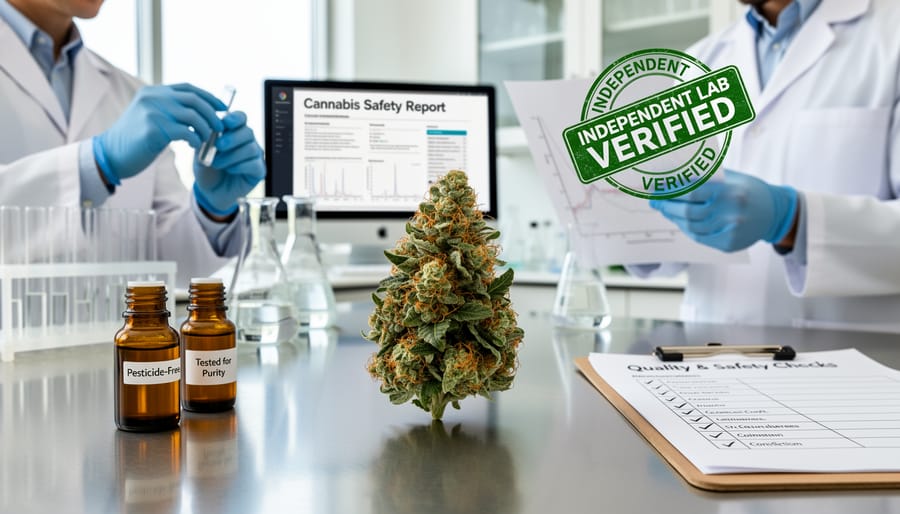
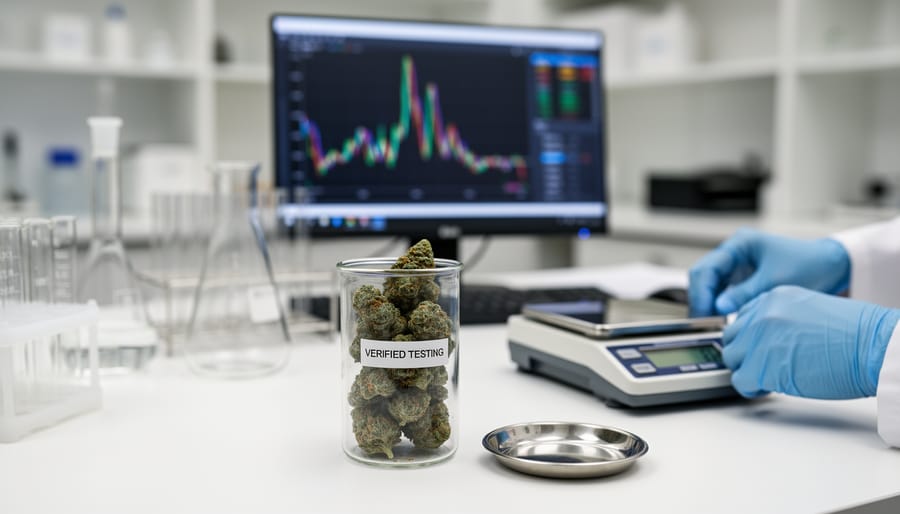
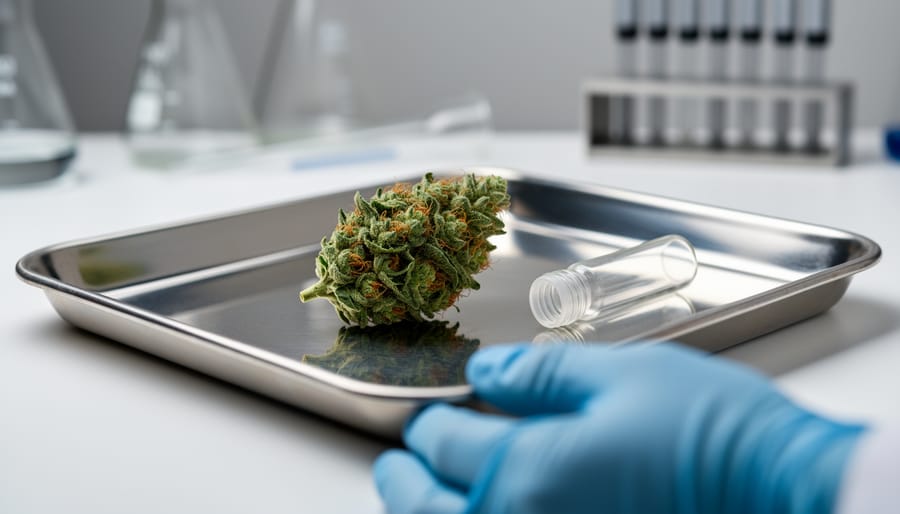
Professional lab testing of cannabis vaping products for quality and safety
Laboratory technician testing cannabis vaping products with advanced equipment

Third-Party Testing and Verification

In the cannabis vaping industry, third-party testing and verification serve as crucial safeguards for consumer safety and product quality. Independent laboratories conduct comprehensive quality testing procedures to ensure vaping products meet regulatory standards and are free from harmful contaminants.

These labs test for various elements, including cannabinoid potency, residual solvents, heavy metals, pesticides, and microbiological contaminants. Each batch of vaping products undergoes rigorous analysis, with results documented in certificates of analysis (COAs) that consumers can access for complete transparency.

The verification process also examines the hardware components of vaping devices, ensuring materials meet safety standards and don’t release harmful substances when heated. This includes testing for heavy metals leaching from cartridge materials and analyzing the consistency of heating elements.

Reputable manufacturers readily share their third-party test results and maintain ongoing relationships with certified testing facilities. This commitment to transparency helps build consumer trust and ensures product consistency. When selecting vaping products, consumers should look for brands that provide easy access to current lab reports and maintain consistent testing schedules.

Regular testing also supports sustainability efforts by identifying potential issues in the production process early, reducing waste and ensuring resource efficiency. This systematic approach to quality control helps maintain high standards across the industry while protecting consumer health and safety.

Materials and Manufacturing Standards

The cannabis vaping industry maintains strict quality control through carefully selected materials and standardized manufacturing processes. Primary components include medical-grade stainless steel, glass, and ceramic for heating elements and chambers, chosen for their inert properties and ability to withstand high temperatures without releasing harmful substances.

Cartridge materials typically feature food-grade borosilicate glass or high-quality polycarbonate, ensuring product stability and preventing chemical leaching. The heating coils are predominantly made from medical-grade stainless steel or ceramic, with some premium devices utilizing quartz elements for enhanced flavor preservation.

Manufacturing facilities must adhere to Current Good Manufacturing Practice (cGMP) guidelines, maintaining clean room environments and implementing rigorous quality control protocols. This includes regular testing of materials, automated assembly processes, and thorough documentation of each production batch.

Sustainability considerations have led to innovations in recyclable materials and eco-friendly packaging solutions. Many manufacturers now use biodegradable options where possible and implement closed-loop recycling programs for cartridges and devices.

Safety certifications and third-party testing are mandatory requirements, with manufacturers regularly submitting products for heavy metal, residual solvent, and emissions testing. Quality control measures include particle size analysis, temperature control verification, and stringent cleanliness standards throughout the production process.

All materials must comply with state-specific regulations and international safety standards, ensuring consistent product quality and consumer safety across the industry.

Sustainable Practices in Vaping Production

Eco-Friendly Materials and Packaging

The cannabis vaping industry is increasingly embracing sustainable cannabis practices, particularly in packaging and materials selection. Many manufacturers now opt for biodegradable or recyclable materials for their vape cartridges and packaging components. Hemp-based plastics, recycled glass, and bamboo are becoming popular alternatives to traditional petroleum-based materials.

Companies are also reducing packaging waste by implementing minimalist designs that use less material while maintaining product protection and compliance with regulations. Some innovative solutions include refillable cartridge systems and packaging made from post-consumer recycled materials. These eco-friendly alternatives not only reduce environmental impact but often provide better protection for the product.

Smart packaging solutions now incorporate QR codes instead of printed inserts, reducing paper waste while providing comprehensive product information digitally. Additionally, some manufacturers have introduced take-back programs, allowing customers to return used cartridges and batteries for proper recycling. These initiatives demonstrate the industry’s commitment to environmental stewardship while maintaining product quality and safety standards.

Recycling Programs and Initiatives

As the cannabis vaping industry grows, manufacturers and retailers are increasingly implementing comprehensive recycling programs to address environmental concerns. Many dispensaries now offer collection points for used vape cartridges and batteries, partnering with specialized recycling facilities that can properly process these materials. Some manufacturers have introduced innovative “cartridge return” programs, offering discounts on future purchases when customers bring back their empty devices.

Leading brands are also redesigning their products with sustainability in mind, using biodegradable materials where possible and minimizing plastic packaging. Consumer participation in these initiatives has been encouraging, with some dispensaries reporting up to 30% return rates on recyclable vaping components.

To support these efforts, educational campaigns help consumers understand proper disposal methods and the environmental impact of vaping waste. Simple steps like separating batteries from cartridges and cleaning residual oil can significantly improve recycling efficiency. Industry leaders are also exploring deposit systems similar to bottle return programs, incentivizing responsible disposal while reducing environmental impact.

Community-based cleanup initiatives focused on vaping waste have emerged in several states, bringing together industry stakeholders and environmentally conscious consumers to address this growing concern.

Consumer Education and Best Practices

Proper Usage and Maintenance

To maximize your vaping experience and protect your investment, proper maintenance and usage are essential. Start by thoroughly reading your device’s manual and following all manufacturer recommendations. Always charge your device using the provided cable and avoid leaving it plugged in overnight.

Before each use, inspect your device for any damage or residue buildup. Clean the mouthpiece regularly with isopropyl alcohol and ensure all connections are secure. When loading concentrates or cartridges, avoid overfilling and maintain proper temperature settings as recommended by cannabis community guidelines for different products.

Store your vaping device in a cool, dry place away from direct sunlight and extreme temperatures. Replace coils or cartridges according to manufacturer schedules or when you notice a change in flavor or vapor production. Keep battery contacts clean and free from debris to ensure optimal performance.

For sustainable practices, properly dispose of spent cartridges and batteries through appropriate recycling programs. Consider using rechargeable devices and high-quality components that last longer. Regular cleaning not only extends device life but also ensures the purest flavor and safest vaping experience.

Remember to perform periodic maintenance checks, including examining O-rings, checking for loose components, and updating firmware if applicable. This proactive approach helps prevent issues and maintains optimal performance.

Understanding Product Labels and Components

Understanding cannabis vape product labels is essential for making informed decisions about your consumption. Most reputable manufacturers include key information such as THC and CBD percentages, extraction method, and batch numbers on their packaging. Look for products that clearly list all ingredients, including any cutting agents or terpenes that may have been added during production.

The main components of a vape device typically include the battery, heating element (also called an atomizer), and the chamber or cartridge that holds the cannabis oil. Premium devices often feature adjustable temperature controls, which allow you to customize your experience and preserve the beneficial compounds in your product.

When examining cartridges, check for quality materials like glass or ceramic, rather than plastic, and ensure the heating element is made from materials like surgical-grade stainless steel or ceramic. The mouthpiece should fit securely and be made from heat-resistant materials.

Pay special attention to warning labels and usage instructions. Quality products will include information about proper storage, battery safety, and optimal temperature settings. Many manufacturers now include QR codes that link to lab test results, offering transparency about product purity and potency.

For sustainability-conscious consumers, look for brands that use recyclable materials and offer battery recycling programs. Some companies now use biodegradable packaging or offer cartridge recycling initiatives, contributing to a more environmentally responsible industry.

Detailed technical illustration of cannabis vaping device components and assembly
Exploded view diagram of a cannabis vaping device showing all components

The Future of Cannabis Vaping

The cannabis vaping landscape is rapidly evolving, with innovative technologies and sustainable practices leading the way. As demonstrated by latest industry developments, manufacturers are increasingly focusing on creating eco-friendly devices with longer battery life and improved temperature control systems.

Smart vaping devices are emerging as a significant trend, featuring bluetooth connectivity and companion apps that help users track their consumption patterns and customize their experience. These advanced systems often include dosage control and safety features, making them particularly appealing to health-conscious consumers.

Sustainability is becoming a central focus, with manufacturers developing biodegradable cartridges and implementing recycling programs for batteries and devices. We’re also seeing a shift toward using more environmentally friendly materials in device construction and packaging.

The future of cannabis vaping will likely include enhanced extraction methods that better preserve terpenes and cannabinoids, resulting in a more authentic and effective experience. Research into new heating technologies promises to deliver more consistent vapor quality while reducing energy consumption.

Another promising development is the integration of artificial intelligence to optimize vaping sessions based on individual preferences and medical needs. This personalization could revolutionize how people use cannabis for both recreational and therapeutic purposes.

As regulations continue to evolve, we can expect to see more emphasis on product testing and transparency, with detailed information about ingredients and manufacturing processes becoming readily available to consumers through QR codes and blockchain technology.

As we’ve explored throughout this article, vaping has become an integral part of the modern cannabis industry, offering consumers a convenient and potentially safer alternative to traditional consumption methods. However, with this innovation comes the responsibility to make informed choices and practice mindful consumption. Remember to always purchase products from licensed dispensaries, verify third-party lab testing, and start with lower temperatures and doses until you understand your tolerance.

Sustainability in vaping practices extends beyond just the products we choose. Consider recycling programs for cartridges, opt for devices with replaceable components rather than disposable ones, and support manufacturers who prioritize environmental responsibility. Your choices as a consumer directly influence industry practices.

As the cannabis vaping market continues to evolve, staying educated about new developments, safety standards, and best practices remains crucial. Whether you’re a newcomer or experienced user, approaching vaping with respect for both personal wellness and environmental impact ensures a positive experience while contributing to a more sustainable cannabis industry. Always consume responsibly and in accordance with local regulations, keeping in mind that the goal is to enhance well-being while minimizing potential risks.

5 Steps to Starting Your Very Own Cannabis Club

Starting a cannabis club can be an exciting venture, especially for those passionate about the benefits of cannabis cultivation and community engagement. Creating a cultivation association not only allows members to share resources and knowledge but also fosters a supportive environment for cannabis enthusiasts.

However, to successfully establish a cannabis club, it’s essential to navigate the approval process properly. Here’s a guide on how to start your own cultivation association in five steps.

Understand the Legal Framework

Before diving into the creation of a cannabis club, it’s crucial to understand the legal landscape surrounding cannabis cultivation in your area. Laws can vary significantly from state to state and even between local jurisdictions.

Begin by researching the regulations that govern cannabis cultivation associations. Look for local statutes, zoning laws, and any specific licensing requirements related to cannabis clubs.

Each state has different stipulations regarding the number of plants you can grow, where you can cultivate them, and who is allowed to participate in a club. Make sure to familiarize yourself with the necessary legalities to avoid any potential pitfalls down the line.

Consulting with a legal expert who specializes in cannabis law can also provide valuable insights and ensure that you are on the right track.

Build Your Community

Once you have a solid grasp of the legal requirements, it’s time to build your community. Start by reaching out to fellow cannabis enthusiasts who share your passion for cultivation. This could involve hosting informal gatherings, joining online forums, or connecting through social media platforms.

The goal is to establish a network of like-minded individuals who are interested in forming a cultivation association.

Encourage potential members to share their thoughts on what they envision for the club. Discuss aspects such as the club’s mission, goals, and potential activities.

This collaborative approach will not only strengthen community ties but also foster a sense of ownership among members, making everyone feel more invested in the success of the club.

Draft a Clear Constitution

After gathering interested members, it’s essential to draft a clear and comprehensive constitution for your cannabis club. This document should outline the club’s purpose, membership requirements, rules, and guidelines for operations.

A well-written constitution serves as the foundation for your association, helping to prevent misunderstandings and conflicts in the future.

Include details about how decisions will be made within the club, such as voting procedures and leadership roles. It’s also wise to establish guidelines for the responsible cultivation and sharing of cannabis among members. This transparency will demonstrate to regulatory bodies that your club is committed to operating within the law and maintaining a safe environment for all members.

Apply for Approval

With your community and constitution in place, it’s time to submit your application for approval to the relevant authorities. This may involve filling out forms, paying application fees, and providing supporting documents that detail your club’s purpose and structure.

Be thorough in your application, as incomplete submissions can lead to delays or rejections.

As part of your application, you may also need to provide proof of your club’s location. This could mean having a designated space for cultivation that complies with local zoning regulations.

Ensure that you have all necessary documentation, such as lease agreements or property ownership records, to demonstrate that your club operates legally and responsibly.

Additionally, consider reaching out to local officials or community leaders during this phase. Engaging with them can help build positive relationships and potentially garner support for your application. Demonstrating community backing can significantly enhance your chances of obtaining the necessary approvals.

Establish Operations and Community Engagement

Once your cannabis club receives approval, it’s time to establish your operations. Organize meetings to discuss how cultivation will be managed, share resources, and plan events that foster community engagement.

Consider hosting educational workshops on cultivation techniques, cannabis strains, and responsible use. This not only benefits your members but can also help raise awareness about the positive aspects of cannabis within the broader community.

Promoting a positive image of your club is vital, especially as cannabis is still a subject of debate in many areas. Engage with local businesses, community organizations, and even schools to offer educational sessions about cannabis cultivation and its benefits. This proactive approach can help dispel myths and build trust within the community.

As your club grows, stay committed to your mission and the principles outlined in your constitution.

Regularly review and update your practices to ensure they align with evolving laws and community expectations. This ongoing dedication will not only enhance your club’s reputation but also help create a thriving community of cannabis enthusiasts who support each other’s cultivation journeys.

Starting a cannabis club is a rewarding venture that requires careful planning, community involvement, and a commitment to legal compliance. By following these steps and focusing on building a positive, engaged community, you can create a successful cultivation association that benefits all its members.

Embrace the journey, connect with others, and enjoy the process of growing together.

Data is the New Fertilizer – Here’s Why

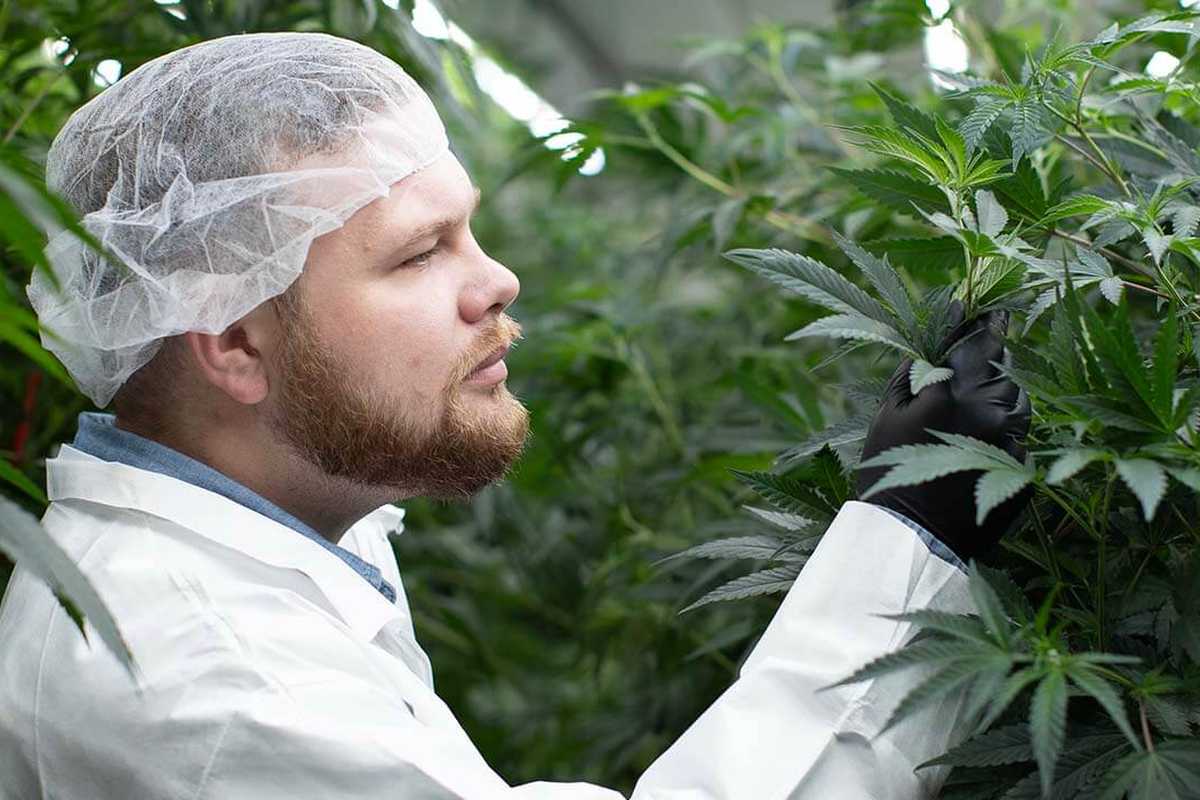
In the world of cannabis cultivation and manufacturing, the phrase “data is the new fertilizer” is becoming increasingly relevant. Just as fertilizer is essential for plant growth, data and analytics are now crucial for the success and efficiency of cannabis operations.

The cannabis industry, which has experienced rapid growth and change, is realizing that leveraging data can lead to better yields, improved quality, and more sustainable practices. Let’s explore how data is transforming this green frontier.

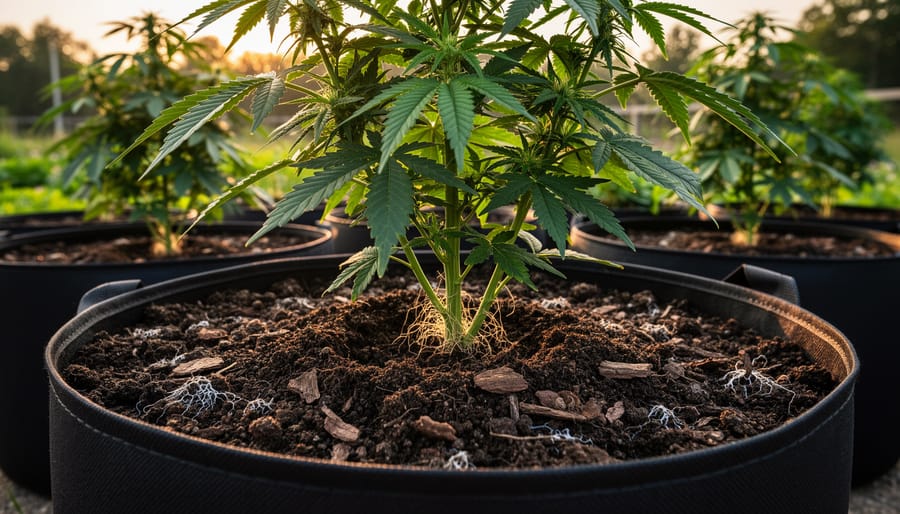
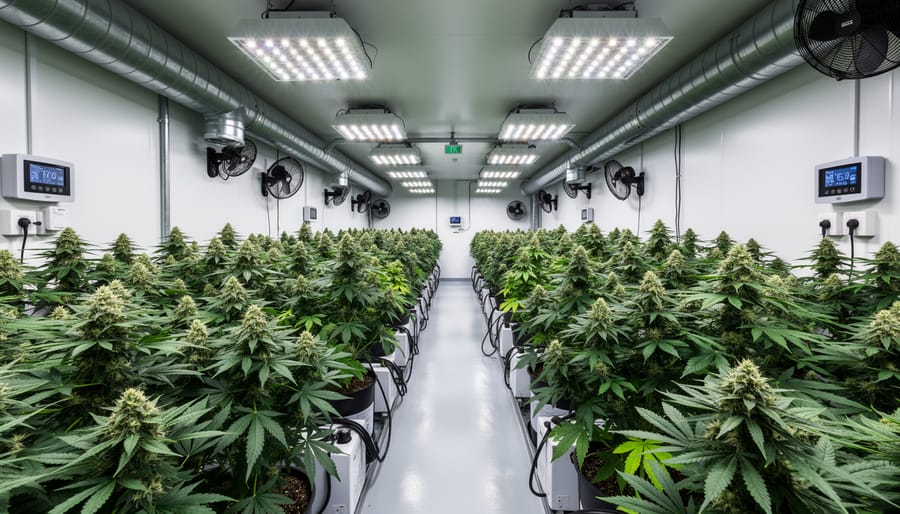
At its core, cannabis cultivation is all about creating the ideal environment for plants to thrive. This involves understanding numerous variables such as light, temperature, humidity, soil quality, and nutrient levels.

Historically, growers relied heavily on intuition and experience to make decisions about their crops. However, as the cannabis market has expanded, the complexities of cultivation have grown. This is where data analytics comes into play.

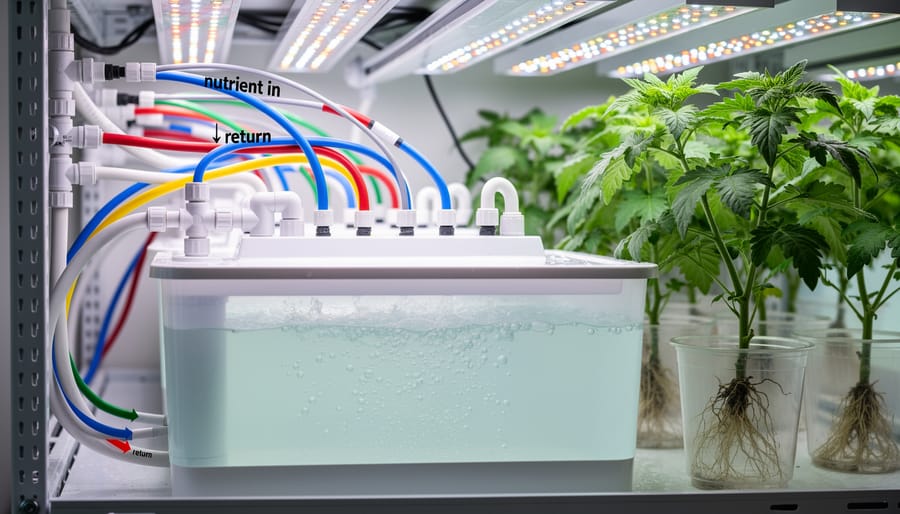
Using advanced data collection techniques, growers can now monitor every aspect of their plants’ environment.

Sensors can track temperature and humidity levels in real-time, while cameras can provide visual feedback on plant health. This data is then analyzed to identify patterns and trends.

For example, if certain conditions lead to a higher yield or better quality flowers, growers can replicate those conditions in the future. This not only optimizes growth but also minimizes waste, as resources can be allocated more effectively.

Moreover, data analytics can help growers understand the unique needs of different cannabis strains. Just as different plants have varying nutrient requirements, cannabis strains can respond differently to environmental factors.

By analyzing data on how each strain grows under specific conditions, growers can tailor their cultivation techniques to suit the needs of their crops. This individualized approach can result in healthier plants and higher-quality yields, which is essential in a competitive market.

In addition to improving cultivation, data is also playing a vital role in cannabis manufacturing. As the industry evolves, manufacturers are looking for ways to ensure consistency and quality in their products.

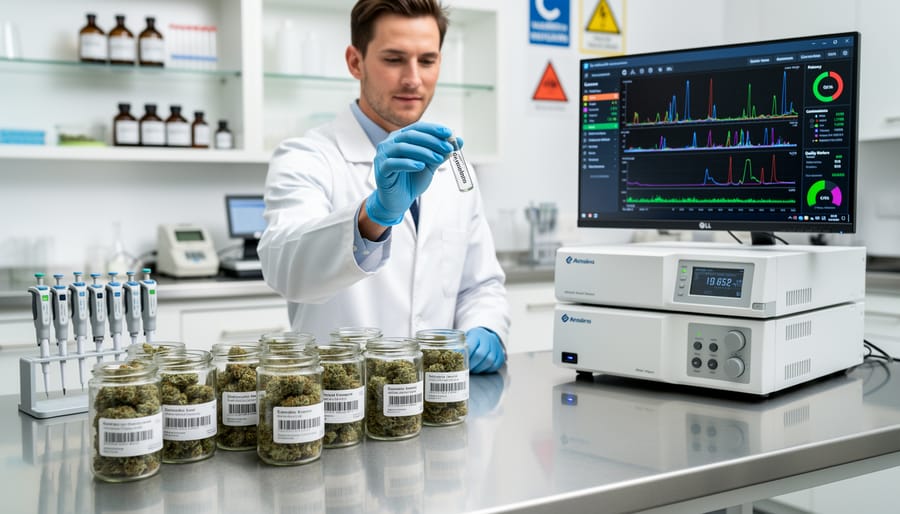
Data analytics allows them to track the entire production process, from the raw material to the final product. By collecting data at every stage, manufacturers can identify any inconsistencies or potential issues early on.

This proactive approach can help maintain quality and comply with regulatory standards, which is crucial in an industry that is still navigating a patchwork of regulations.

The use of data also extends to understanding consumer preferences.

With the cannabis market expanding, companies are eager to learn more about their customers’ buying habits. By analyzing sales data, businesses can identify which products are most popular and when they tend to sell best. This insight enables manufacturers and retailers to make informed decisions about inventory and marketing strategies.

For instance, if a particular strain is popular during a certain season or event, companies can stock up on that product to meet consumer demand.

Furthermore, data analytics can enhance customer experiences. Many cannabis companies are adopting personalized marketing strategies based on consumer data. By understanding what customers like and how they engage with different products, businesses can create targeted promotions and recommendations.

This not only helps in building customer loyalty but also encourages repeat purchases, which is vital for long-term success.

Sustainability is another area where data is making a significant impact. As the industry faces growing scrutiny over its environmental footprint, growers and manufacturers are turning to data to optimize resource use.

By analyzing data related to water usage, energy consumption, and waste generation, companies can identify areas for improvement.

Implementing more sustainable practices not only benefits the environment but can also reduce operational costs in the long run.

As we look to the future of cannabis cultivation and manufacturing, it is clear that data and analytics will continue to shape the industry. The ability to collect and analyze data provides growers and manufacturers with valuable insights that can lead to better decision-making and improved outcomes. Just as fertilizer enhances plant growth, data fuels the growth of the cannabis industry.

In conclusion, embracing data as an integral part of cannabis operations can lead to greater efficiency, higher-quality products, and a more sustainable approach to cultivation and manufacturing.

The cannabis industry is at the forefront of a data-driven revolution, and those who harness the power of analytics will be best positioned to thrive in this dynamic landscape.

As the saying goes, in today’s world, data truly is the new fertilizer.

Different Types of Methods and Systems for Cultivating  Cannabis

Cultivating cannabis has become a rewarding hobby for many, and it offers an exciting journey into the world of plant care and gardening. Understanding different cultivation methods and systems can help new and experienced growers alike make the best choices for their unique situations, whether they’re working with a small indoor setup or an expansive outdoor space.

Each cultivation method has its pros and cons, and choosing the right one often comes down to personal preference, space limitations, and desired results. Here’s a closer look at some of the popular methods.

Growing Cannabis Indoors vs. Outdoors

The first decision growers need to make is whether to cultivate their plants indoors or outdoors. Indoor growing has become increasingly popular due to the ability to control all aspects of the environment, from light and temperature to humidity levels.

This control allows for year-round cultivation, making it possible to grow several crops per year.

Outdoor growing, on the other hand, relies on natural sunlight and typically only produces one crop per season, depending on climate. While outdoor plants can grow larger and yield more, they are also at the mercy of weather, pests, and other environmental factors.

For indoor growers, the options range from soil-based methods to soilless systems like hydroponics or aeroponics. Outdoor growers, meanwhile, often benefit from the natural richness of soil but may need to enhance it with nutrients depending on their local environment.

Soil Cultivation

Growing cannabis in soil is one of the most traditional and accessible methods.

Soil provides the plant with a medium rich in nutrients, and it also acts as a buffer, helping to prevent over-fertilization. Many growers find that soil-grown cannabis produces richer flavors, as soil promotes the development of terpenes, the aromatic compounds that give cannabis its distinctive scents and flavors.

Garden centers often sell high-quality potting mixes, but some growers prefer to make their own, mixing materials like compost, worm castings, and coco coir to create a balanced and nutrient-dense soil.

One advantage of soil cultivation is that it requires fewer inputs and less technical knowledge than other methods. Many gardeners say that soil-based grows are more forgiving when it comes to water and nutrient balance, making them ideal for beginners.

However, it can take longer for plants grown in soil to mature, so patience is key.

Hydroponics and Soilless Methods

Hydroponic cultivation has become a popular choice for those growing indoors, as it allows for faster growth and higher yields.

In hydroponics, plants grow in a nutrient-rich water solution rather than soil. This method provides plants with direct access to nutrients, which often accelerates growth and can lead to larger, more potent buds.

There are several types of hydroponic systems, including Deep Water Culture (DWC), Nutrient Film Technique (NFT), and drip systems, each with unique ways of delivering water and nutrients to the plants.

Hydroponics is well-suited to growers looking for faster results, but it does require more maintenance and knowledge of nutrient balancing. Since plants are exposed directly to nutrient-rich water, any imbalance can affect them quickly.

pH and nutrient levels must be monitored consistently, and the system requires regular cleaning to prevent the growth of harmful bacteria and algae.

Aeroponics

Aeroponic systems are another innovative soilless cultivation method, where the roots are suspended in the air and misted with a nutrient-rich solution. This method provides maximum oxygen exposure to the roots, which can significantly boost plant growth and yield.

Aeroponic systems are particularly popular in commercial settings where maximum yield and efficiency are essential, but they are also expensive and complex to set up, requiring precise environmental controls.

For the home grower, aeroponics can be rewarding but is best suited to those with experience and a solid understanding of nutrient management. If a system malfunction occurs, the roots can dry out quickly, which can be detrimental to plant health.

Nevertheless, aeroponics is highly efficient with water usage. This makes it a compelling option for environmentally-conscious cultivators.

Organic vs. Synthetic Nutrients

Regardless of the growing medium, cannabis plants require nutrients to thrive. Organic cultivation relies on natural fertilizers like compost, worm castings, and bat guano, which enrich the soil over time and can lead to a more complex flavor profile in the final product. Organic growing also helps maintain a healthier microbial environment, which supports root health.

On the other hand, synthetic nutrients offer precision and fast absorption, especially for hydroponic systems. These nutrients are designed to meet the plant’s needs during specific growth stages, from the vegetative phase to flowering.

Synthetic options are often easier to control, especially in hydroponic or aeroponic systems, as they dissolve readily in water.

Making the Right Choice

Selecting a cultivation method ultimately depends on factors like available space, budget, and the level of involvement a grower wants. Soil cultivation might be the easiest entry point for beginners due to its simplicity and forgiving nature.

Those looking for a more hands-on approach may enjoy experimenting with hydroponics or aeroponics, both of which can provide faster growth and higher yields, albeit with more maintenance.

In conclusion, cultivating cannabis offers a range of options, each with its advantages. Starting with a method that fits your lifestyle and resources can make the experience enjoyable and rewarding.

For the committed grower, exploring different methods can lead to even better results and a deeper appreciation for the craft of cannabis cultivation.

Whether you’re tending a small indoor setup or an outdoor garden, the journey of learning to grow cannabis is a fulfilling one that can lead to a bountiful harvest and a wealth of knowledge.

Highlights from Global Cannabis Events in 2024

In 2024, the global cannabis industry hosted a variety of events and trade shows that showcased its rapid growth and development. As legalization spreads across different regions, these gatherings have become essential for networking, education, and innovation.

Let’s explore some of the notable cannabis events and trade shows that made headlines this year.

Cannabis Business Summit & Expo

One of the most prominent events was the Cannabis Business Summit & Expo held in San Jose, California. This event brought together thousands of industry professionals, entrepreneurs, and advocates from around the world.

The summit featured a wide range of speakers, including industry leaders who discussed regulatory challenges, market trends, and sustainable practices.

Workshops and panel discussions covered various topics, such as cultivation techniques and marketing strategies, making it a valuable experience for both newcomers and seasoned professionals.

Cannabis Expo Amsterdam

Another major gathering took place in Amsterdam, which is well-known for its cannabis culture. The Cannabis Expo Amsterdam attracted participants interested in exploring the European cannabis market.

This event featured a mix of exhibitors, including growers, product manufacturers, and service providers.

Attendees had the chance to network, share ideas, and discover new products. The expo also included educational seminars that focused on medical cannabis research and the future of cannabis legislation in Europe, highlighting the region’s unique position in the global market.

New York Cannabis Expo

On the East Coast, the New York Cannabis Expo emerged as a key event following the legalization of recreational cannabis in New York. This expo became a hotspot for businesses looking to capitalize on the rapidly growing market.

It showcased local cannabis companies, hemp producers, and even international brands seeking to establish a presence in the area. The expo provided a platform for discussions on best practices, compliance, and community engagement, all essential elements as the industry matures.

O’Cannabis Expo

In Canada, the O’Cannabis Expo was another highlight of 2024, bringing together professionals from across North America.

This event focused on the latest trends in cannabis cultivation, retail, and consumption. It featured an impressive lineup of speakers, including researchers who discussed the health benefits of cannabis and its potential in pain management.

The expo also included a trade show where exhibitors displayed innovative products and services, emphasizing the creativity driving the industry forward.

MJBizCon

The MJBizCon in Las Vegas continued to be one of the largest cannabis trade shows in the world. Attracting thousands of attendees from around the globe, MJBizCon showcased the full spectrum of the cannabis industry, from cultivation to retail and everything in between.

With numerous educational sessions led by industry experts, participants had the chance to deepen their understanding of key topics such as regulatory compliance, marketing strategies, and emerging technologies.

The event also served as a vital networking opportunity, allowing businesses to connect and collaborate in a rapidly evolving market.

Cannabis Conference

The Cannabis Conference, held in Las Vegas, was another noteworthy event that focused on cultivation, dispensary operations, and business strategies. This conference provided attendees with insights into the latest industry trends and innovations.

Keynote speakers included successful cannabis entrepreneurs and researchers who shared their expertise on everything from sustainable farming practices to effective marketing techniques.

The conference also featured a variety of workshops that allowed participants to engage in hands-on learning and discussions, enhancing their understanding of the complexities of the cannabis industry.

CannaTech

Lastly, the CannaTech conference in Tel Aviv, Israel, marked an exciting international event for cannabis enthusiasts and professionals.

Known for its focus on innovation and technology within the cannabis space, CannaTech brought together investors, researchers, and entrepreneurs to explore the latest advancements in cannabis research and product development. The conference highlighted the importance of technology in enhancing cultivation practices and improving product quality.

Attendees had the opportunity to network and engage with thought leaders, making it a significant event for those looking to push the boundaries of the cannabis industry.

The Future of Cannabis Events

As the cannabis industry continues to grow and evolve, events and trade shows play a crucial role in fostering connections and sharing knowledge.

In 2024, these gatherings not only celebrated the successes of the industry but also addressed the challenges and opportunities that lie ahead. With an increasing number of events planned for the future, professionals and enthusiasts alike can look forward to more opportunities to learn, network, and innovate in the ever-changing landscape of cannabis.

In summary, the cannabis events of 2024 showcased the industry’s dynamic nature and its potential for growth. From informative seminars to expansive trade shows, these gatherings provided a platform for sharing ideas and building relationships.

As more regions embrace legalization and the market expands, the importance of these events will only continue to rise.