The Cannabis Dispensary

Loading

A modern CBD testing laboratory showcasing energy-efficient equipment and renewable energy sources, with lab technicians implementing sustainable testing protocols amidst environmentally friendly surroundings.

CBD Quality You Can Trust: Building a Sustainable Product Testing Framework

Transform CBD product testing through rigorous CBD quality testing standards that prioritize environmental responsibility. Leading CBD Canada manufacturers demonstrate that sustainable testing practices not only ensure product safety but also reduce environmental impact. Implement energy-efficient laboratory equipment, utilize eco-friendly extraction methods, and adopt water conservation protocols in testing facilities. Switch to renewable energy sources for testing operations, reducing carbon footprint while maintaining precise analytical standards. Integrate blockchain technology for transparent tracking of sustainable testing practices, building consumer trust through verified environmental compliance. Partner with certified green laboratories that use biodegradable testing materials and minimize chemical waste through advanced recycling programs. These practices establish a new benchmark for responsible CBD product assurance while protecting both consumer safety and environmental integrity.

The Foundation of Sustainable CBD Testing

Eco-friendly CBD testing laboratory with energy-efficient equipment and waste sorting system
Modern laboratory setting with sustainable testing equipment and recycling stations

Environmental Impact of Testing Methods

As the CBD industry grows, implementing sustainable cannabis practices in testing procedures has become increasingly important. Modern labs are adopting eco-friendly testing methods that significantly reduce environmental impact while maintaining rigorous quality standards.

Key innovations include solvent recycling systems that minimize chemical waste, energy-efficient testing equipment, and water conservation protocols. Many facilities now use green chemistry principles, opting for bio-based solvents and reducing harmful chemical usage in their analytical processes.

Digital documentation has largely replaced paper-based systems, while automated testing procedures optimize resource use and reduce waste. Some labs have implemented closed-loop systems that recapture and purify solvents, cutting disposal needs by up to 90%.

Waste management strategies focus on proper segregation and disposal of test materials, with many facilities partnering with specialized recycling companies to process lab waste responsibly. Additionally, labs are increasingly powered by renewable energy sources and designed with energy-efficient lighting and climate control systems, further reducing their environmental footprint.

By choosing labs that prioritize these sustainable practices, CBD companies can ensure their testing procedures align with both quality assurance and environmental responsibility.

Resource-Efficient Quality Control

Modern CBD testing laboratories are increasingly adopting resource-efficient practices that maintain high testing standards while reducing environmental impact. Energy-efficient testing equipment, such as LED-powered spectrophotometers and automated sample handlers, significantly reduces power consumption without compromising accuracy. Many labs now implement water recycling systems for their extraction processes and utilize eco-friendly solvents that can be reclaimed and reused.

Smart laboratory design plays a crucial role in sustainable quality control. Natural lighting, proper insulation, and energy management systems help minimize the carbon footprint of testing facilities. Some innovative labs have begun using renewable energy sources to power their operations, while others have implemented paperless documentation systems to reduce waste.

Sample optimization techniques allow laboratories to achieve accurate results with smaller quantities of material, reducing both waste and resource consumption. Additionally, many facilities now participate in equipment sharing programs, maximizing the utility of expensive testing instruments while minimizing the need for duplicate resources across multiple locations. These practices not only benefit the environment but also help maintain competitive pricing for quality assurance services.

Implementing Sustainable Testing Protocols

Green Laboratory Practices

Laboratory practices play a crucial role in sustainable CBD product testing, and implementing eco-friendly protocols can significantly reduce environmental impact while maintaining high standards. Modern labs are increasingly adopting data-driven quality assurance methods that minimize waste and maximize efficiency.

Key sustainable practices include using energy-efficient equipment, implementing waste reduction protocols, and choosing environmentally friendly solvents when possible. Labs can reduce their carbon footprint by installing LED lighting, energy-efficient HVAC systems, and automated power management systems. Water conservation measures, such as closed-loop cooling systems and water recycling programs, help preserve this vital resource.

Proper chemical management is essential, with labs implementing responsible disposal methods and exploring greener alternatives to traditional solvents. Many facilities now use biodegradable cleaning products and invest in solvent recycling systems to minimize chemical waste.

Digital documentation reduces paper waste while improving accuracy and accessibility. Smart inventory management systems help prevent over-ordering of supplies and reduce expired product waste. Additionally, labs can partner with local recycling programs to properly dispose of glass, plastic, and electronic waste.

Training staff in sustainable practices ensures consistent implementation of green protocols. Regular audits and sustainability metrics help track progress and identify areas for improvement, creating a culture of environmental responsibility while maintaining the highest testing standards.

Renewable Energy in Testing Facilities

In the evolving landscape of CBD testing, facilities are increasingly turning to renewable energy sources to power their operations, marking a significant shift toward environmental responsibility. Solar panels now grace the rooftops of many testing laboratories, converting abundant sunlight into clean electricity for running sophisticated analytical equipment. Wind energy systems complement solar installations in suitable locations, creating a robust hybrid power infrastructure.

Leading testing facilities have implemented smart energy management systems that optimize power consumption during peak testing hours while storing excess energy for later use. These systems ensure consistent power supply for sensitive testing equipment while minimizing environmental impact. Some facilities have achieved up to 60% reduction in their carbon footprint through these renewable energy initiatives.

Beyond solar and wind power, some testing laboratories have explored innovative solutions like geothermal energy for climate control and water heating. Energy-efficient LED lighting systems with motion sensors further reduce electricity consumption in laboratory spaces. Many facilities also utilize energy recovery ventilation systems that maintain the strict environmental controls necessary for accurate testing while minimizing energy waste.

The transition to renewable energy not only supports environmental sustainability but also offers long-term cost benefits. Testing facilities report significant reductions in operational expenses after the initial investment in renewable infrastructure, with many achieving return on investment within 5-7 years. This sustainable approach to energy management sets new standards for responsible CBD testing practices while ensuring consistent, reliable results.

Renewable energy infrastructure supporting CBD testing operations
Solar panels and wind turbines powering a CBD testing facility

Supply Chain Transparency

Tracking and Documentation

In today’s digital age, efficient tracking and documentation are crucial components of sustainable CBD product assurance. Modern cloud-based systems allow companies to maintain detailed records while minimizing paper waste and environmental impact. These digital solutions enable real-time monitoring of cultivation practices, processing methods, and compliance with product safety standards.

Implementing blockchain technology provides an additional layer of transparency and traceability. This system creates an immutable record of each product’s journey from seed to sale, ensuring accountability while reducing the resources typically required for traditional documentation methods.

Smart sensors and IoT devices automatically record environmental conditions, reducing human error and the need for manual documentation. These devices track crucial parameters like temperature, humidity, and CO2 levels, storing data securely in the cloud for easy access and analysis.

QR codes on product packaging offer consumers instant access to batch-specific information, test results, and sustainability credentials. This paperless approach to product information not only saves resources but also empowers consumers to make informed decisions about their CBD purchases.

Companies should regularly audit their documentation systems to identify areas where digital solutions can replace paper-based processes, further reducing their environmental footprint while maintaining comprehensive product assurance records.

Interactive digital display showing CBD product testing transparency and tracking
Digital supply chain tracking system showing CBD product journey

Sustainable Packaging Solutions

In the CBD testing industry, sustainable packaging plays a crucial role in reducing environmental impact while maintaining sample integrity. Labs and manufacturers are increasingly adopting eco-friendly solutions for both test samples and results delivery.

Reusable glass containers have become the gold standard for CBD sample submissions, replacing single-use plastic vials. These containers can be properly sanitized and reused multiple times, significantly reducing waste. Many labs now offer a container return program, incentivizing clients to participate in their recycling efforts.

For shipping and transportation, hemp-based padding materials and biodegradable insulation provide excellent protection while remaining environmentally conscious. These materials maintain sample temperature stability without relying on traditional petroleum-based packaging products.

Digital result delivery has largely replaced paper reports, dramatically reducing paper waste. When physical documentation is required, labs are switching to recycled paper products and soy-based inks. Some innovative facilities have even implemented blockchain technology to create secure, paperless certificates of analysis.

Storage solutions have also evolved, with labs utilizing renewable materials for long-term sample storage. Bamboo-based storage systems and compostable security seals ensure sample integrity while minimizing environmental impact. These sustainable practices not only protect our planet but also appeal to environmentally conscious consumers and businesses.

Consumer Benefits of Sustainable Testing

Quality Assurance Benefits

Sustainable CBD production practices don’t just benefit the environment – they significantly enhance product quality and reliability. When manufacturers implement eco-friendly cultivation methods, they typically avoid synthetic pesticides and harmful chemicals, resulting in purer, cleaner CBD extracts. This natural approach leads to products with fewer contaminants and a more consistent cannabinoid profile.

Sustainable farming practices, such as organic soil management and natural pest control, create optimal growing conditions that allow hemp plants to develop robust cannabinoid and terpene profiles. These enhanced profiles contribute to better product efficacy and a superior user experience. Additionally, sustainable extraction methods, like CO2 extraction, preserve more of the plant’s beneficial compounds while eliminating the risk of chemical residues in the final product.

Quality assurance in sustainable CBD production often includes comprehensive testing protocols and transparent documentation. This rigorous approach helps maintain consistent product standards and builds consumer trust. Furthermore, sustainable practices typically involve careful monitoring throughout the entire production cycle, leading to better batch-to-batch consistency and improved product stability over time.

Environmental Impact Reduction

Choosing sustainably tested CBD products offers significant environmental benefits while ensuring product quality. These testing methods typically utilize energy-efficient equipment, minimize chemical waste, and employ eco-friendly extraction processes. By selecting products that undergo sustainable testing, consumers actively support practices that reduce water consumption and lower carbon emissions in the CBD industry.

Sustainable testing facilities often implement closed-loop systems that recycle solvents and minimize waste production. This approach not only preserves natural resources but also reduces the environmental impact of quality assurance processes. Many facilities also utilize renewable energy sources and optimize their testing procedures to minimize their carbon footprint.

Furthermore, sustainably tested products often come in eco-friendly packaging made from recycled or biodegradable materials. This comprehensive approach to environmental stewardship extends beyond the testing phase to encompass the entire product lifecycle. By choosing these products, consumers contribute to a more sustainable CBD industry while receiving the same high-quality assurance they expect.

Companies that prioritize sustainable testing methods frequently maintain transparent environmental policies and regularly report their impact reduction efforts, allowing consumers to make informed decisions about their purchases.

As the CBD industry continues to evolve, sustainable product testing practices have become essential for ensuring both quality assurance and environmental responsibility. The implementation of eco-friendly testing methods, from energy-efficient laboratory equipment to waste reduction protocols, demonstrates the industry’s commitment to protecting both consumers and the planet. Forward-thinking companies are increasingly recognizing that sustainable testing practices not only benefit the environment but also contribute to brand reputation and consumer trust.

Looking ahead, we can expect to see continued innovation in sustainable CBD testing methods, with emerging technologies offering even more efficient and environmentally conscious solutions. The integration of renewable energy sources, water conservation measures, and biodegradable testing materials will likely become standard practice across the industry. As consumers become more environmentally conscious, companies that prioritize sustainable testing practices will stand out in an increasingly competitive market.

By embracing sustainable CBD product assurance methods today, businesses can help shape a more responsible and environmentally conscious industry for tomorrow, while ensuring the consistent quality and safety that consumers deserve.

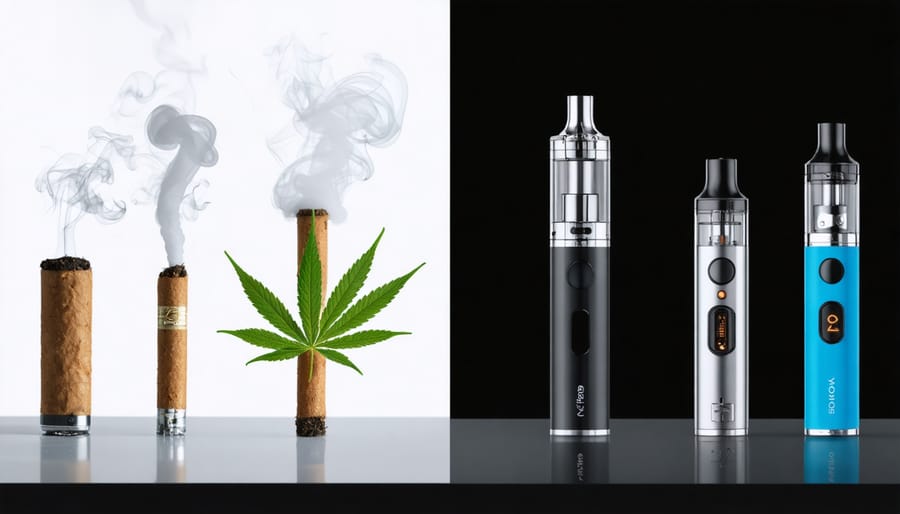
Side-by-side comparison of traditional cannabis smoking methods with smoke clouds and modern vaping technology featuring sleek, digital vaporizers.

Why Cannabis Vaping Products Are Revolutionizing Safe Consumption

Vaping has revolutionized the cannabis industry, offering a cleaner, more precise way to consume cannabis while minimizing health risks associated with traditional smoking methods. From innovative hardware designs to our signature e-liquid line, the technology behind cannabis vaporization continues to evolve rapidly. Today’s consumers demand both quality and transparency, driving manufacturers to develop sophisticated extraction methods and testing protocols that ensure product safety and consistency.

The intersection of vaping and cannabis represents a significant shift in consumption patterns, with market analysts projecting the global cannabis vaping market to reach $20.5 billion by 2025. This growth reflects increasing consumer preference for discreet, controllable dosing options and growing awareness of harm reduction benefits. As regulations mature and quality standards become more stringent, the industry focuses on developing sustainable practices and implementing rigorous testing protocols to ensure consumer safety.

Our understanding of vaporization technology, combined with advances in cannabis extraction methods, has created unprecedented opportunities for both therapeutic and recreational users to experience the benefits of cannabis in a more refined, measured way.

The Evolution of Cannabis Vaping Technology

From Traditional Methods to Modern Vaporization

Cannabis consumption has evolved significantly over the centuries, from traditional methods like smoking and edibles to modern vaporization technology. While smoking remains common, it produces harmful byproducts through combustion, which can affect respiratory health. Traditional methods also make it challenging to control dosage and maintain consistent experiences.

Modern vaporization addresses these concerns by heating cannabis material to specific temperatures that release active compounds without combustion. This process preserves more beneficial compounds while reducing harmful emissions. Vaporizers offer precise temperature control, allowing users to target specific cannabinoids and terpenes for desired effects.

The shift to vaping also brings practical advantages. Vaporizers typically produce less odor, offer better discretion, and provide improved flavor profiles that highlight the natural characteristics of different cannabis strains. Additionally, many modern devices include features like dose control, temperature presets, and even smartphone connectivity for a more personalized experience.

From an environmental perspective, vaporization can be more sustainable than traditional methods, particularly when using devices with rechargeable batteries and reducing the need for single-use materials.

Side-by-side comparison of traditional cannabis consumption methods and modern vaping technology
Split image showing traditional cannabis smoking methods versus modern vaping devices

Latest Innovations in Cannabis Vaping

Recent technological advancements in cannabis vaping have revolutionized the user experience while prioritizing safety and sustainability. Temperature control systems now offer precise heating, allowing users to customize their experience and preserve terpene profiles more effectively. Smart vaporizers equipped with Bluetooth connectivity provide detailed usage tracking and personalized dosing recommendations through dedicated mobile apps.

Manufacturers have introduced innovative heating elements made from medical-grade materials, reducing the risk of harmful emissions while improving vapor quality. Ceramic and quartz heating chambers have become industry standards, offering superior heat distribution and flavor preservation.

Battery technology has also evolved significantly, with new devices featuring rapid charging capabilities and extended life spans. Some models now incorporate recyclable components and sustainable materials in their construction, addressing environmental concerns.

Pod-based systems have gained popularity for their convenience and controlled dosing, while advanced filtration methods ensure a smoother vaping experience. These innovations reflect the industry’s commitment to meeting consumer demands for safety, efficiency, and environmental responsibility while maintaining product quality and user satisfaction.

Safety and Quality Standards in Cannabis Vaping

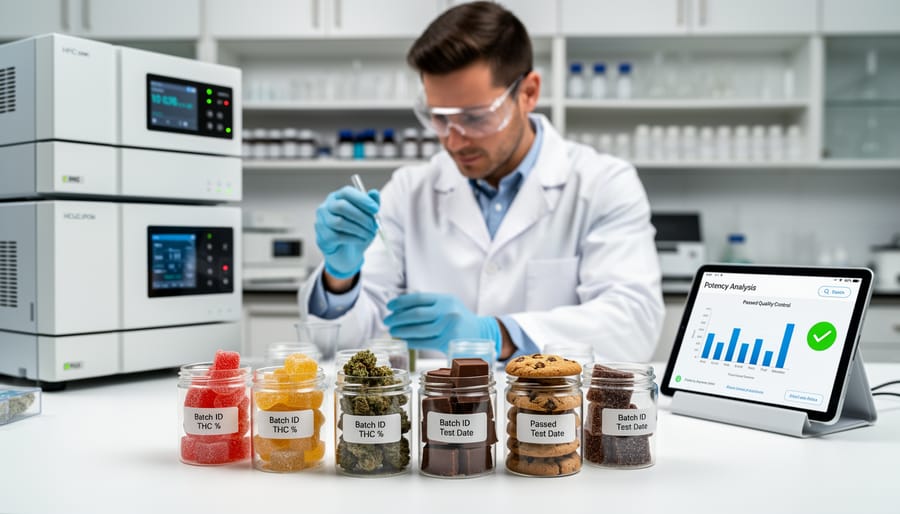
Professional lab testing of cannabis vaping products for quality and safety
Laboratory technician testing cannabis vaping products with advanced equipment

Third-Party Testing and Verification

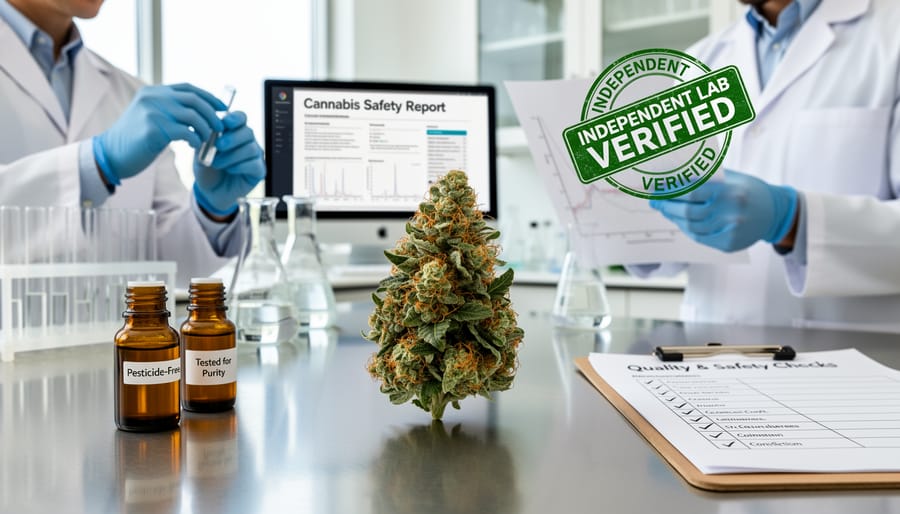
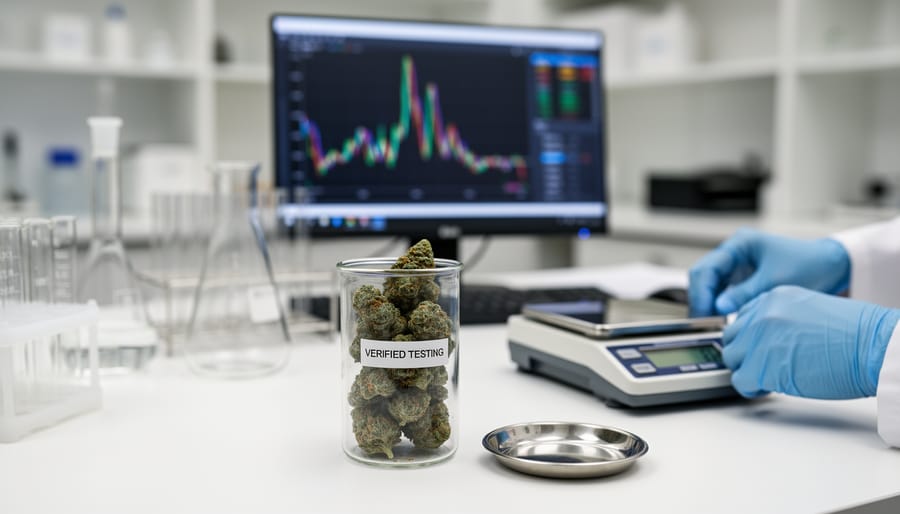
In the cannabis vaping industry, third-party testing and verification serve as crucial safeguards for consumer safety and product quality. Independent laboratories conduct comprehensive quality testing procedures to ensure vaping products meet regulatory standards and are free from harmful contaminants.

These labs test for various elements, including cannabinoid potency, residual solvents, heavy metals, pesticides, and microbiological contaminants. Each batch of vaping products undergoes rigorous analysis, with results documented in certificates of analysis (COAs) that consumers can access for complete transparency.

The verification process also examines the hardware components of vaping devices, ensuring materials meet safety standards and don’t release harmful substances when heated. This includes testing for heavy metals leaching from cartridge materials and analyzing the consistency of heating elements.

Reputable manufacturers readily share their third-party test results and maintain ongoing relationships with certified testing facilities. This commitment to transparency helps build consumer trust and ensures product consistency. When selecting vaping products, consumers should look for brands that provide easy access to current lab reports and maintain consistent testing schedules.

Regular testing also supports sustainability efforts by identifying potential issues in the production process early, reducing waste and ensuring resource efficiency. This systematic approach to quality control helps maintain high standards across the industry while protecting consumer health and safety.

Materials and Manufacturing Standards

The cannabis vaping industry maintains strict quality control through carefully selected materials and standardized manufacturing processes. Primary components include medical-grade stainless steel, glass, and ceramic for heating elements and chambers, chosen for their inert properties and ability to withstand high temperatures without releasing harmful substances.

Cartridge materials typically feature food-grade borosilicate glass or high-quality polycarbonate, ensuring product stability and preventing chemical leaching. The heating coils are predominantly made from medical-grade stainless steel or ceramic, with some premium devices utilizing quartz elements for enhanced flavor preservation.

Manufacturing facilities must adhere to Current Good Manufacturing Practice (cGMP) guidelines, maintaining clean room environments and implementing rigorous quality control protocols. This includes regular testing of materials, automated assembly processes, and thorough documentation of each production batch.

Sustainability considerations have led to innovations in recyclable materials and eco-friendly packaging solutions. Many manufacturers now use biodegradable options where possible and implement closed-loop recycling programs for cartridges and devices.

Safety certifications and third-party testing are mandatory requirements, with manufacturers regularly submitting products for heavy metal, residual solvent, and emissions testing. Quality control measures include particle size analysis, temperature control verification, and stringent cleanliness standards throughout the production process.

All materials must comply with state-specific regulations and international safety standards, ensuring consistent product quality and consumer safety across the industry.

Sustainable Practices in Vaping Production

Eco-Friendly Materials and Packaging

The cannabis vaping industry is increasingly embracing sustainable cannabis practices, particularly in packaging and materials selection. Many manufacturers now opt for biodegradable or recyclable materials for their vape cartridges and packaging components. Hemp-based plastics, recycled glass, and bamboo are becoming popular alternatives to traditional petroleum-based materials.

Companies are also reducing packaging waste by implementing minimalist designs that use less material while maintaining product protection and compliance with regulations. Some innovative solutions include refillable cartridge systems and packaging made from post-consumer recycled materials. These eco-friendly alternatives not only reduce environmental impact but often provide better protection for the product.

Smart packaging solutions now incorporate QR codes instead of printed inserts, reducing paper waste while providing comprehensive product information digitally. Additionally, some manufacturers have introduced take-back programs, allowing customers to return used cartridges and batteries for proper recycling. These initiatives demonstrate the industry’s commitment to environmental stewardship while maintaining product quality and safety standards.

Recycling Programs and Initiatives

As the cannabis vaping industry grows, manufacturers and retailers are increasingly implementing comprehensive recycling programs to address environmental concerns. Many dispensaries now offer collection points for used vape cartridges and batteries, partnering with specialized recycling facilities that can properly process these materials. Some manufacturers have introduced innovative “cartridge return” programs, offering discounts on future purchases when customers bring back their empty devices.

Leading brands are also redesigning their products with sustainability in mind, using biodegradable materials where possible and minimizing plastic packaging. Consumer participation in these initiatives has been encouraging, with some dispensaries reporting up to 30% return rates on recyclable vaping components.

To support these efforts, educational campaigns help consumers understand proper disposal methods and the environmental impact of vaping waste. Simple steps like separating batteries from cartridges and cleaning residual oil can significantly improve recycling efficiency. Industry leaders are also exploring deposit systems similar to bottle return programs, incentivizing responsible disposal while reducing environmental impact.

Community-based cleanup initiatives focused on vaping waste have emerged in several states, bringing together industry stakeholders and environmentally conscious consumers to address this growing concern.

Consumer Education and Best Practices

Proper Usage and Maintenance

To maximize your vaping experience and protect your investment, proper maintenance and usage are essential. Start by thoroughly reading your device’s manual and following all manufacturer recommendations. Always charge your device using the provided cable and avoid leaving it plugged in overnight.

Before each use, inspect your device for any damage or residue buildup. Clean the mouthpiece regularly with isopropyl alcohol and ensure all connections are secure. When loading concentrates or cartridges, avoid overfilling and maintain proper temperature settings as recommended by cannabis community guidelines for different products.

Store your vaping device in a cool, dry place away from direct sunlight and extreme temperatures. Replace coils or cartridges according to manufacturer schedules or when you notice a change in flavor or vapor production. Keep battery contacts clean and free from debris to ensure optimal performance.

For sustainable practices, properly dispose of spent cartridges and batteries through appropriate recycling programs. Consider using rechargeable devices and high-quality components that last longer. Regular cleaning not only extends device life but also ensures the purest flavor and safest vaping experience.

Remember to perform periodic maintenance checks, including examining O-rings, checking for loose components, and updating firmware if applicable. This proactive approach helps prevent issues and maintains optimal performance.

Understanding Product Labels and Components

Understanding cannabis vape product labels is essential for making informed decisions about your consumption. Most reputable manufacturers include key information such as THC and CBD percentages, extraction method, and batch numbers on their packaging. Look for products that clearly list all ingredients, including any cutting agents or terpenes that may have been added during production.

The main components of a vape device typically include the battery, heating element (also called an atomizer), and the chamber or cartridge that holds the cannabis oil. Premium devices often feature adjustable temperature controls, which allow you to customize your experience and preserve the beneficial compounds in your product.

When examining cartridges, check for quality materials like glass or ceramic, rather than plastic, and ensure the heating element is made from materials like surgical-grade stainless steel or ceramic. The mouthpiece should fit securely and be made from heat-resistant materials.

Pay special attention to warning labels and usage instructions. Quality products will include information about proper storage, battery safety, and optimal temperature settings. Many manufacturers now include QR codes that link to lab test results, offering transparency about product purity and potency.

For sustainability-conscious consumers, look for brands that use recyclable materials and offer battery recycling programs. Some companies now use biodegradable packaging or offer cartridge recycling initiatives, contributing to a more environmentally responsible industry.

Detailed technical illustration of cannabis vaping device components and assembly
Exploded view diagram of a cannabis vaping device showing all components

The Future of Cannabis Vaping

The cannabis vaping landscape is rapidly evolving, with innovative technologies and sustainable practices leading the way. As demonstrated by latest industry developments, manufacturers are increasingly focusing on creating eco-friendly devices with longer battery life and improved temperature control systems.

Smart vaping devices are emerging as a significant trend, featuring bluetooth connectivity and companion apps that help users track their consumption patterns and customize their experience. These advanced systems often include dosage control and safety features, making them particularly appealing to health-conscious consumers.

Sustainability is becoming a central focus, with manufacturers developing biodegradable cartridges and implementing recycling programs for batteries and devices. We’re also seeing a shift toward using more environmentally friendly materials in device construction and packaging.

The future of cannabis vaping will likely include enhanced extraction methods that better preserve terpenes and cannabinoids, resulting in a more authentic and effective experience. Research into new heating technologies promises to deliver more consistent vapor quality while reducing energy consumption.

Another promising development is the integration of artificial intelligence to optimize vaping sessions based on individual preferences and medical needs. This personalization could revolutionize how people use cannabis for both recreational and therapeutic purposes.

As regulations continue to evolve, we can expect to see more emphasis on product testing and transparency, with detailed information about ingredients and manufacturing processes becoming readily available to consumers through QR codes and blockchain technology.

As we’ve explored throughout this article, vaping has become an integral part of the modern cannabis industry, offering consumers a convenient and potentially safer alternative to traditional consumption methods. However, with this innovation comes the responsibility to make informed choices and practice mindful consumption. Remember to always purchase products from licensed dispensaries, verify third-party lab testing, and start with lower temperatures and doses until you understand your tolerance.

Sustainability in vaping practices extends beyond just the products we choose. Consider recycling programs for cartridges, opt for devices with replaceable components rather than disposable ones, and support manufacturers who prioritize environmental responsibility. Your choices as a consumer directly influence industry practices.

As the cannabis vaping market continues to evolve, staying educated about new developments, safety standards, and best practices remains crucial. Whether you’re a newcomer or experienced user, approaching vaping with respect for both personal wellness and environmental impact ensures a positive experience while contributing to a more sustainable cannabis industry. Always consume responsibly and in accordance with local regulations, keeping in mind that the goal is to enhance well-being while minimizing potential risks.

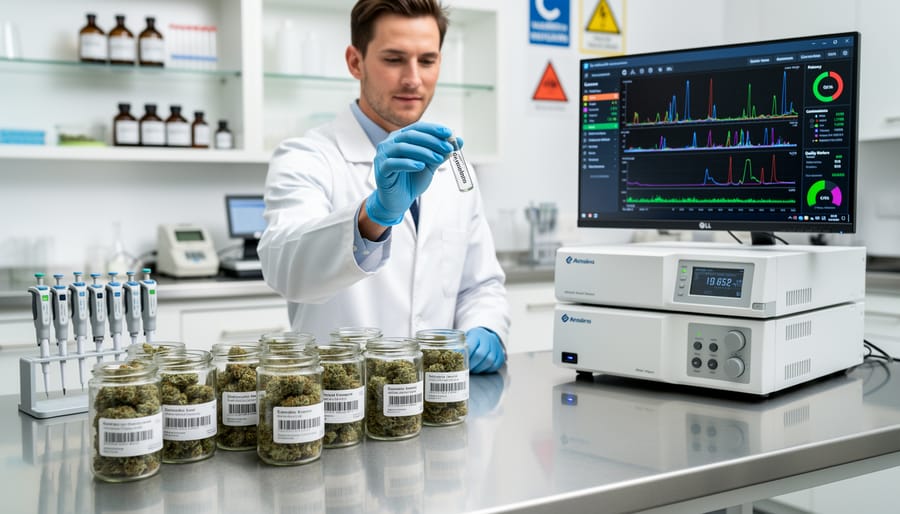
Laboratory technician conducting comprehensive testing on CBD oil samples using chromatography equipment, highlighting cannabinoid and terpene analysis.

CBD Oil Quality Testing: What Your Lab Results Really Mean

Verify CBD oil authenticity through comprehensive third-party lab reports, focusing on cannabinoid profiles, contaminant testing, and terpene analysis. In CBD Canada, establishing data-driven quality standards has become essential for product validation. Demand certificates of analysis (COAs) that include heavy metal screening, pesticide testing, and microbial analysis from every manufacturer. Cross-reference batch numbers between product labels and lab reports to ensure consistency and transparency.

Quality CBD oil production requires rigorous testing at multiple stages – from raw hemp analysis through final product verification. Modern extraction methods, including CO2 and ethanol-based processes, must maintain strict temperature and pressure controls to preserve cannabinoid integrity. Independent laboratory validation confirms potency claims, ensuring products deliver the advertised CBD concentration while remaining free from harmful contaminants.

Reputable manufacturers implement comprehensive quality management systems, documenting every step from seed to shelf. This includes validated testing protocols, established acceptance criteria, and complete batch records that demonstrate consistent production standards. Understanding these quality assurance measures empowers consumers to make informed decisions about their CBD purchases.

Scientific analysis of CBD oil using advanced laboratory equipment
Laboratory technician analyzing CBD oil samples using chromatography equipment

Essential Quality Markers in CBD Oil Testing

Potency and Cannabinoid Profile

A critical aspect of CBD oil quality assurance is understanding its potency and cannabinoid profile through comprehensive laboratory testing. These tests measure the exact concentration of CBD and other cannabinoids present in the product, ensuring that what’s on the label matches what’s in the bottle.

Quality CBD oils undergo full-spectrum analysis that identifies and quantifies various compounds, including CBD, THC (which must be below 0.3% for legal hemp products), minor cannabinoids like CBG and CBN, and beneficial terpenes. This complete profile helps consumers understand the potential entourage effect and therapeutic benefits of their product.

Reputable manufacturers provide detailed Certificates of Analysis (COAs) that show precise cannabinoid percentages. When reviewing these reports, pay special attention to CBD potency, ensuring it matches the advertised concentration. For example, if a product claims to contain 1000mg of CBD per bottle, the lab results should confirm this amount within an acceptable variance range.

Remember that consistent potency across batches indicates reliable manufacturing processes and quality control standards. This consistency is essential for users who rely on specific dosages for their wellness routines.

Contaminant Testing

Contaminant testing is a crucial component of CBD oil quality assurance, ensuring products are safe for consumption. During cannabis cultivation methods and processing, various unwanted substances can potentially contaminate the final product. Quality manufacturers conduct comprehensive testing for three main categories of contaminants.

Pesticide testing screens for harmful agricultural chemicals that might have been used during cultivation. While some pesticides are approved for hemp growing, their residual levels must fall within strict safety limits. Heavy metal testing checks for dangerous elements like lead, mercury, arsenic, and cadmium, which plants can absorb from soil and water. These substances can be particularly harmful if consumed, making this testing step essential.

Microbial testing identifies potentially dangerous organisms like bacteria, mold, and yeast. This includes screening for E. coli, salmonella, and aspergillus, among others. Proper testing ensures the product is free from harmful microorganisms that could pose health risks. Reputable manufacturers will provide certificates of analysis (COAs) showing detailed results from all these tests, demonstrating their commitment to consumer safety and product quality.

Terpene Analysis

Terpene analysis is a crucial component of CBD oil quality testing that examines the aromatic compounds naturally present in hemp plants. These compounds not only contribute to the oil’s distinctive smell and taste but also play a significant role in its therapeutic effects through what’s known as the entourage effect. Quality testing laboratories use gas chromatography to identify and measure specific terpenes like myrcene, limonene, and pinene. A comprehensive terpene profile helps verify the oil’s authenticity and potential benefits, as specific terpene combinations can enhance relaxation, focus, or other desired effects. When reviewing lab reports, look for detailed terpene breakdowns that show both the types and concentrations present, as this information indicates both product quality and likely effectiveness.

Understanding Third-Party Lab Reports

Key Components of a COA

A Certificate of Analysis (COA) contains several critical sections that help verify CBD oil quality. The cannabinoid profile is typically listed first, showing the concentrations of CBD, THC, and other cannabinoids present in the product. This section confirms the product’s potency and ensures THC levels comply with legal limits.

The terpene profile details the aromatic compounds that contribute to the oil’s effects and flavor. While not all COAs include this information, it’s valuable for understanding the product’s complete profile.

Heavy metals testing results are crucial, indicating levels of harmful substances like lead, arsenic, mercury, and cadmium. These must fall below specific safety thresholds. Similarly, the pesticide analysis confirms the absence of harmful agricultural chemicals.

Residual solvents testing is essential for CBD oils produced using extraction methods involving solvents. This section verifies that any remaining solvents are within safe limits. Microbiological testing checks for harmful bacteria, yeast, and mold that could compromise product safety.

The COA should also include basic information like the testing facility’s name, sample identification, test date, and batch number. This information helps trace the product’s origin and ensures you’re viewing results for your specific product batch.

Look for a clear pass/fail indication for each test category, making it easier to quickly assess the product’s overall quality and safety.

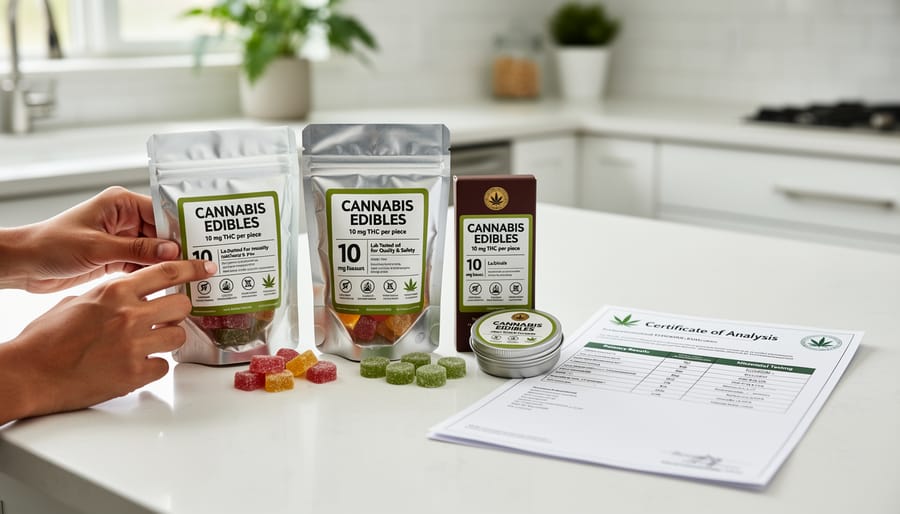
Annotated CBD lab report showing important test result sections
Visual representation of a CBD Certificate of Analysis (COA) with key sections highlighted

Red Flags to Watch For

When shopping for CBD oil, certain warning signs can help you identify potentially low-quality or misleading products. Be wary of oils that lack a certificate of analysis (COA) from an independent, third-party laboratory. A missing or outdated COA is a major red flag that could indicate the product hasn’t been properly tested.

Watch out for unusually low prices compared to market standards. While everyone loves a good deal, quality CBD extraction and testing are expensive processes. If the price seems too good to be true, it probably is.

Be skeptical of products making outlandish medical claims or promises of miracle cures. Legitimate CBD companies follow regulatory guidelines and avoid making unsubstantiated health claims. Similarly, products advertising “no THC” but lacking test results to prove this claim should be approached with caution.

Check the CBD concentration listed on the label against the laboratory results. Significant discrepancies between these numbers are concerning and may indicate poor quality control or deliberate misrepresentation. Also, be cautious of products that don’t clearly state the total CBD content per bottle or serving.

Pay attention to the testing lab’s reputation. Some companies use in-house testing or work with laboratories that aren’t accredited. Look for tests from ISO-certified labs with a track record of reliable results. If the lab seems obscure or you can’t find information about it online, consider this a warning sign.

Watch for products lacking basic information like batch numbers, manufacturing dates, or clear ingredients lists. Transparency is crucial in the CBD industry, and reputable manufacturers proudly share these details with consumers.

Industry Standards and Certifications

GMP Certification

Good Manufacturing Practices (GMP) certification represents a crucial quality standard in CBD oil production, ensuring consistent product quality and safety. These internationally recognized guidelines cover every aspect of the manufacturing process, from raw material handling to final product packaging.

For CBD manufacturers, GMP certification requires maintaining clean, controlled environments, implementing detailed documentation systems, and following strict standard operating procedures. This includes regular equipment calibration, employee training programs, and thorough batch testing protocols.

Key elements of GMP certification in CBD production include:
– Detailed documentation of all production processes
– Regular facility and equipment maintenance
– Proper storage and handling of materials
– Quality control testing at multiple stages
– Employee training and hygiene protocols
– Contamination prevention measures

By choosing CBD oils from GMP-certified facilities, consumers can feel confident that their products are manufactured under stringent quality control standards. These facilities undergo regular audits by third-party certification bodies to maintain their GMP status, ensuring ongoing compliance with quality standards.

While GMP certification isn’t currently mandatory for all CBD manufacturers in every region, it represents the gold standard in production quality. Companies that voluntarily pursue and maintain GMP certification demonstrate their commitment to product safety and quality, making them more reliable choices for conscientious consumers.

GMP-certified CBD oil manufacturing facility with quality control measures
Manufacturing facility with GMP certification displaying CBD oil production line

USDA Organic Certification

USDA organic certification represents one of the highest standards for CBD oil quality and purity. To earn this prestigious certification, hemp farms and manufacturers must meet strict guidelines that prohibit the use of synthetic fertilizers, pesticides, and genetically modified organisms (GMOs). These sustainable production practices ensure that the hemp plants are grown in clean soil without harmful chemicals.

The certification process involves rigorous documentation and regular inspections of farming operations, processing facilities, and handling procedures. Manufacturers must maintain detailed records of their production methods, including seed sources, soil management practices, and pest control measures. They’re also required to implement strict measures to prevent cross-contamination with non-organic materials.

Choosing USDA organic certified CBD oil offers several benefits. First, it guarantees that your product is free from synthetic pesticides and harmful chemicals. Second, organic farming practices help preserve soil health and protect local ecosystems. Third, certified organic products undergo additional quality control measures, which often result in higher-quality end products.

While organic certification does increase production costs, many consumers find the additional expense worthwhile for the assurance of purity and environmental stewardship. When shopping for CBD oil, look for the USDA organic seal and verify the certification number to ensure you’re getting a genuine organic product.

Choosing Quality-Assured CBD Products

Verification Steps

To ensure you’re getting high-quality CBD oil, follow these essential verification steps:

First, always request the Certificate of Analysis (COA) from the manufacturer. This document should be readily available and current, typically dated within the last 12 months. Check that the testing was conducted by an independent, third-party laboratory.

Review the cannabinoid profile in the COA, which should clearly show CBD content matching the label claims. Look for THC levels to ensure they’re within legal limits (usually under 0.3%). The document should also include test results for potential contaminants like heavy metals, pesticides, and residual solvents.

Examine the product packaging for crucial information including:
– Batch number matching the COA
– Manufacturing date and expiration date
– Full ingredient list
– CBD content per serving
– QR code linking to lab results

Verify the extraction method used. CO2 extraction is considered the gold standard for safety and purity. Research the hemp source – domestic cultivation under organic practices is preferable.

Look for quality indicators such as amber glass packaging to protect from light degradation, clear dosage instructions, and transparent company information. Responsible manufacturers will provide customer service contacts and detailed product information on their website.

Remember that a higher price doesn’t always guarantee better quality. Focus on verification documentation and company transparency rather than cost alone.

Questions to Ask Manufacturers

When evaluating CBD oil manufacturers, asking the right questions can help ensure you’re getting a high-quality product. Start by inquiring about their hemp sourcing – where it’s grown, whether it’s organic, and what cultivation practices they follow. Ask about their extraction methods and why they chose that particular process.

Request detailed information about their third-party testing protocols. How often do they test? Which laboratory do they use? Can they provide recent Certificates of Analysis (COAs) for review? A reputable manufacturer should be transparent about their testing procedures and willing to share results.

Inquire about their quality control measures throughout the production process. What steps do they take to prevent contamination? How do they ensure consistent CBD concentrations across batches? Ask about their Good Manufacturing Practices (GMP) certification and any other relevant industry certifications.

Don’t hesitate to ask about their product formulation. What carrier oils do they use? How do they determine their CBD concentrations? What measures do they take to ensure the THC content stays within legal limits?

Finally, ask about their company’s standard operating procedures for handling customer complaints and product recalls. A manufacturer committed to quality should have clear protocols in place and be willing to stand behind their products with appropriate guarantees or return policies.

Remember, trustworthy manufacturers welcome these questions and respond with detailed, transparent answers.

Quality assurance in CBD oil selection is not just about following a checklist – it’s about ensuring your wellness and safety while making informed decisions. Throughout this guide, we’ve explored the crucial elements that contribute to CBD oil quality, from third-party testing and certificate of analysis interpretation to understanding extraction methods and sourcing practices.

Remember that reputable manufacturers prioritize transparency and readily provide detailed information about their testing procedures and quality control measures. By focusing on factors such as organic cultivation, clean extraction methods, and comprehensive lab testing, you can make confident choices about the CBD products you purchase.

As the CBD industry continues to evolve, staying informed about quality standards and testing requirements becomes increasingly important. Take time to research manufacturers, read lab reports, and understand what goes into your CBD oil. Your health and wellness deserve nothing less than products that meet the highest quality standards.

Always choose CBD oils from companies that demonstrate commitment to sustainability, transparency, and consumer education. This approach not only ensures you receive a superior product but also supports the development of a more responsible and trustworthy CBD industry.

5 Steps to Starting Your Very Own Cannabis Club

Starting a cannabis club can be an exciting venture, especially for those passionate about the benefits of cannabis cultivation and community engagement. Creating a cultivation association not only allows members to share resources and knowledge but also fosters a supportive environment for cannabis enthusiasts.

However, to successfully establish a cannabis club, it’s essential to navigate the approval process properly. Here’s a guide on how to start your own cultivation association in five steps.

Understand the Legal Framework

Before diving into the creation of a cannabis club, it’s crucial to understand the legal landscape surrounding cannabis cultivation in your area. Laws can vary significantly from state to state and even between local jurisdictions.

Begin by researching the regulations that govern cannabis cultivation associations. Look for local statutes, zoning laws, and any specific licensing requirements related to cannabis clubs.

Each state has different stipulations regarding the number of plants you can grow, where you can cultivate them, and who is allowed to participate in a club. Make sure to familiarize yourself with the necessary legalities to avoid any potential pitfalls down the line.

Consulting with a legal expert who specializes in cannabis law can also provide valuable insights and ensure that you are on the right track.

Build Your Community

Once you have a solid grasp of the legal requirements, it’s time to build your community. Start by reaching out to fellow cannabis enthusiasts who share your passion for cultivation. This could involve hosting informal gatherings, joining online forums, or connecting through social media platforms.

The goal is to establish a network of like-minded individuals who are interested in forming a cultivation association.

Encourage potential members to share their thoughts on what they envision for the club. Discuss aspects such as the club’s mission, goals, and potential activities.

This collaborative approach will not only strengthen community ties but also foster a sense of ownership among members, making everyone feel more invested in the success of the club.

Draft a Clear Constitution

After gathering interested members, it’s essential to draft a clear and comprehensive constitution for your cannabis club. This document should outline the club’s purpose, membership requirements, rules, and guidelines for operations.

A well-written constitution serves as the foundation for your association, helping to prevent misunderstandings and conflicts in the future.

Include details about how decisions will be made within the club, such as voting procedures and leadership roles. It’s also wise to establish guidelines for the responsible cultivation and sharing of cannabis among members. This transparency will demonstrate to regulatory bodies that your club is committed to operating within the law and maintaining a safe environment for all members.

Apply for Approval

With your community and constitution in place, it’s time to submit your application for approval to the relevant authorities. This may involve filling out forms, paying application fees, and providing supporting documents that detail your club’s purpose and structure.

Be thorough in your application, as incomplete submissions can lead to delays or rejections.

As part of your application, you may also need to provide proof of your club’s location. This could mean having a designated space for cultivation that complies with local zoning regulations.

Ensure that you have all necessary documentation, such as lease agreements or property ownership records, to demonstrate that your club operates legally and responsibly.

Additionally, consider reaching out to local officials or community leaders during this phase. Engaging with them can help build positive relationships and potentially garner support for your application. Demonstrating community backing can significantly enhance your chances of obtaining the necessary approvals.

Establish Operations and Community Engagement

Once your cannabis club receives approval, it’s time to establish your operations. Organize meetings to discuss how cultivation will be managed, share resources, and plan events that foster community engagement.

Consider hosting educational workshops on cultivation techniques, cannabis strains, and responsible use. This not only benefits your members but can also help raise awareness about the positive aspects of cannabis within the broader community.

Promoting a positive image of your club is vital, especially as cannabis is still a subject of debate in many areas. Engage with local businesses, community organizations, and even schools to offer educational sessions about cannabis cultivation and its benefits. This proactive approach can help dispel myths and build trust within the community.

As your club grows, stay committed to your mission and the principles outlined in your constitution.

Regularly review and update your practices to ensure they align with evolving laws and community expectations. This ongoing dedication will not only enhance your club’s reputation but also help create a thriving community of cannabis enthusiasts who support each other’s cultivation journeys.

Starting a cannabis club is a rewarding venture that requires careful planning, community involvement, and a commitment to legal compliance. By following these steps and focusing on building a positive, engaged community, you can create a successful cultivation association that benefits all its members.

Embrace the journey, connect with others, and enjoy the process of growing together.

Data is the New Fertilizer – Here’s Why

In the world of cannabis cultivation and manufacturing, the phrase “data is the new fertilizer” is becoming increasingly relevant. Just as fertilizer is essential for plant growth, data and analytics are now crucial for the success and efficiency of cannabis operations.

The cannabis industry, which has experienced rapid growth and change, is realizing that leveraging data can lead to better yields, improved quality, and more sustainable practices. Let’s explore how data is transforming this green frontier.

At its core, cannabis cultivation is all about creating the ideal environment for plants to thrive. This involves understanding numerous variables such as light, temperature, humidity, soil quality, and nutrient levels.

Historically, growers relied heavily on intuition and experience to make decisions about their crops. However, as the cannabis market has expanded, the complexities of cultivation have grown. This is where data analytics comes into play.

Using advanced data collection techniques, growers can now monitor every aspect of their plants’ environment.

Sensors can track temperature and humidity levels in real-time, while cameras can provide visual feedback on plant health. This data is then analyzed to identify patterns and trends.

For example, if certain conditions lead to a higher yield or better quality flowers, growers can replicate those conditions in the future. This not only optimizes growth but also minimizes waste, as resources can be allocated more effectively.

Moreover, data analytics can help growers understand the unique needs of different cannabis strains. Just as different plants have varying nutrient requirements, cannabis strains can respond differently to environmental factors.

By analyzing data on how each strain grows under specific conditions, growers can tailor their cultivation techniques to suit the needs of their crops. This individualized approach can result in healthier plants and higher-quality yields, which is essential in a competitive market.

In addition to improving cultivation, data is also playing a vital role in cannabis manufacturing. As the industry evolves, manufacturers are looking for ways to ensure consistency and quality in their products.

Data analytics allows them to track the entire production process, from the raw material to the final product. By collecting data at every stage, manufacturers can identify any inconsistencies or potential issues early on.

This proactive approach can help maintain quality and comply with regulatory standards, which is crucial in an industry that is still navigating a patchwork of regulations.

The use of data also extends to understanding consumer preferences.

With the cannabis market expanding, companies are eager to learn more about their customers’ buying habits. By analyzing sales data, businesses can identify which products are most popular and when they tend to sell best. This insight enables manufacturers and retailers to make informed decisions about inventory and marketing strategies.

For instance, if a particular strain is popular during a certain season or event, companies can stock up on that product to meet consumer demand.

Furthermore, data analytics can enhance customer experiences. Many cannabis companies are adopting personalized marketing strategies based on consumer data. By understanding what customers like and how they engage with different products, businesses can create targeted promotions and recommendations.

This not only helps in building customer loyalty but also encourages repeat purchases, which is vital for long-term success.

Sustainability is another area where data is making a significant impact. As the industry faces growing scrutiny over its environmental footprint, growers and manufacturers are turning to data to optimize resource use.

By analyzing data related to water usage, energy consumption, and waste generation, companies can identify areas for improvement.

Implementing more sustainable practices not only benefits the environment but can also reduce operational costs in the long run.

As we look to the future of cannabis cultivation and manufacturing, it is clear that data and analytics will continue to shape the industry. The ability to collect and analyze data provides growers and manufacturers with valuable insights that can lead to better decision-making and improved outcomes. Just as fertilizer enhances plant growth, data fuels the growth of the cannabis industry.

In conclusion, embracing data as an integral part of cannabis operations can lead to greater efficiency, higher-quality products, and a more sustainable approach to cultivation and manufacturing.

The cannabis industry is at the forefront of a data-driven revolution, and those who harness the power of analytics will be best positioned to thrive in this dynamic landscape.

As the saying goes, in today’s world, data truly is the new fertilizer.

Different Types of Methods and Systems for Cultivating  Cannabis

Cultivating cannabis has become a rewarding hobby for many, and it offers an exciting journey into the world of plant care and gardening. Understanding different cultivation methods and systems can help new and experienced growers alike make the best choices for their unique situations, whether they’re working with a small indoor setup or an expansive outdoor space.

Each cultivation method has its pros and cons, and choosing the right one often comes down to personal preference, space limitations, and desired results. Here’s a closer look at some of the popular methods.

Growing Cannabis Indoors vs. Outdoors

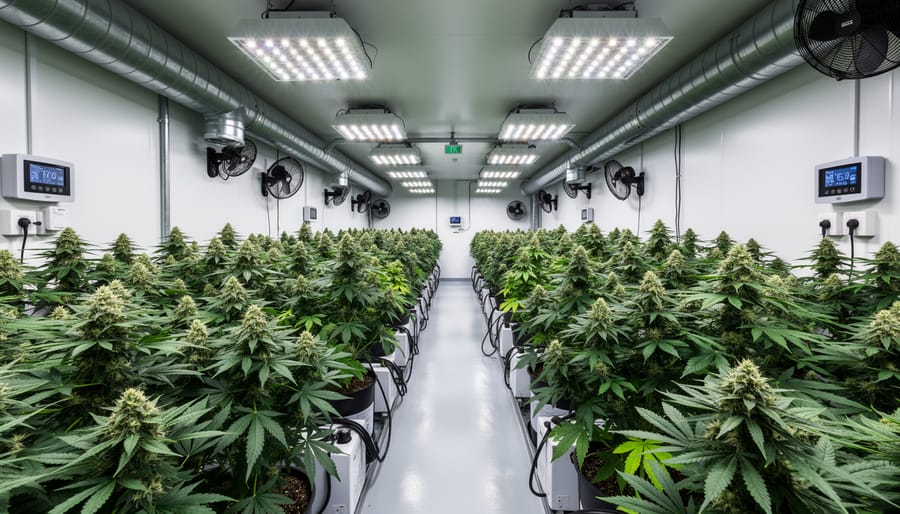
The first decision growers need to make is whether to cultivate their plants indoors or outdoors. Indoor growing has become increasingly popular due to the ability to control all aspects of the environment, from light and temperature to humidity levels.

This control allows for year-round cultivation, making it possible to grow several crops per year.

Outdoor growing, on the other hand, relies on natural sunlight and typically only produces one crop per season, depending on climate. While outdoor plants can grow larger and yield more, they are also at the mercy of weather, pests, and other environmental factors.

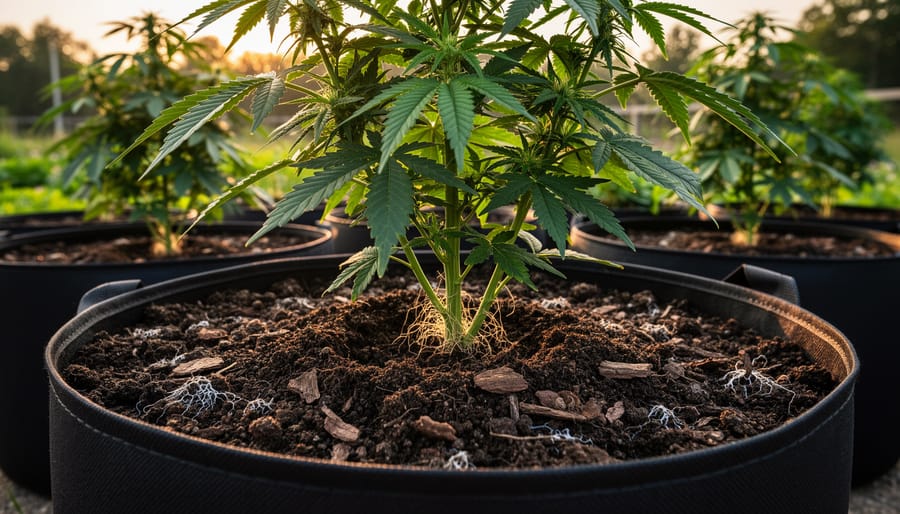
For indoor growers, the options range from soil-based methods to soilless systems like hydroponics or aeroponics. Outdoor growers, meanwhile, often benefit from the natural richness of soil but may need to enhance it with nutrients depending on their local environment.

Soil Cultivation

Growing cannabis in soil is one of the most traditional and accessible methods.

Soil provides the plant with a medium rich in nutrients, and it also acts as a buffer, helping to prevent over-fertilization. Many growers find that soil-grown cannabis produces richer flavors, as soil promotes the development of terpenes, the aromatic compounds that give cannabis its distinctive scents and flavors.

Garden centers often sell high-quality potting mixes, but some growers prefer to make their own, mixing materials like compost, worm castings, and coco coir to create a balanced and nutrient-dense soil.

One advantage of soil cultivation is that it requires fewer inputs and less technical knowledge than other methods. Many gardeners say that soil-based grows are more forgiving when it comes to water and nutrient balance, making them ideal for beginners.

However, it can take longer for plants grown in soil to mature, so patience is key.

Hydroponics and Soilless Methods

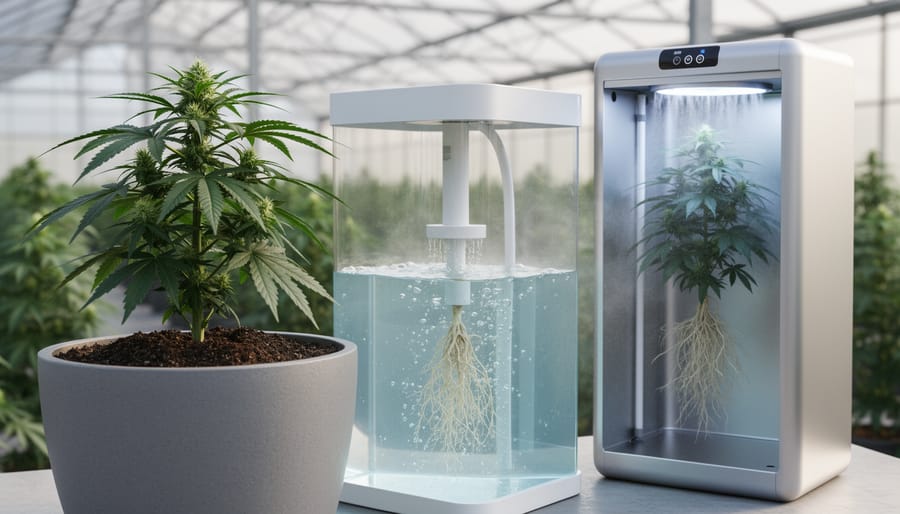
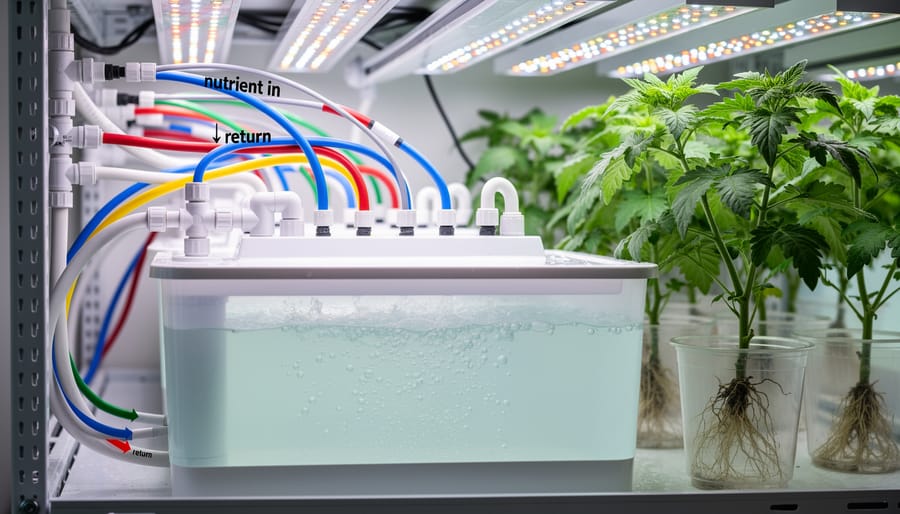
Hydroponic cultivation has become a popular choice for those growing indoors, as it allows for faster growth and higher yields.

In hydroponics, plants grow in a nutrient-rich water solution rather than soil. This method provides plants with direct access to nutrients, which often accelerates growth and can lead to larger, more potent buds.

There are several types of hydroponic systems, including Deep Water Culture (DWC), Nutrient Film Technique (NFT), and drip systems, each with unique ways of delivering water and nutrients to the plants.

Hydroponics is well-suited to growers looking for faster results, but it does require more maintenance and knowledge of nutrient balancing. Since plants are exposed directly to nutrient-rich water, any imbalance can affect them quickly.

pH and nutrient levels must be monitored consistently, and the system requires regular cleaning to prevent the growth of harmful bacteria and algae.

Aeroponics

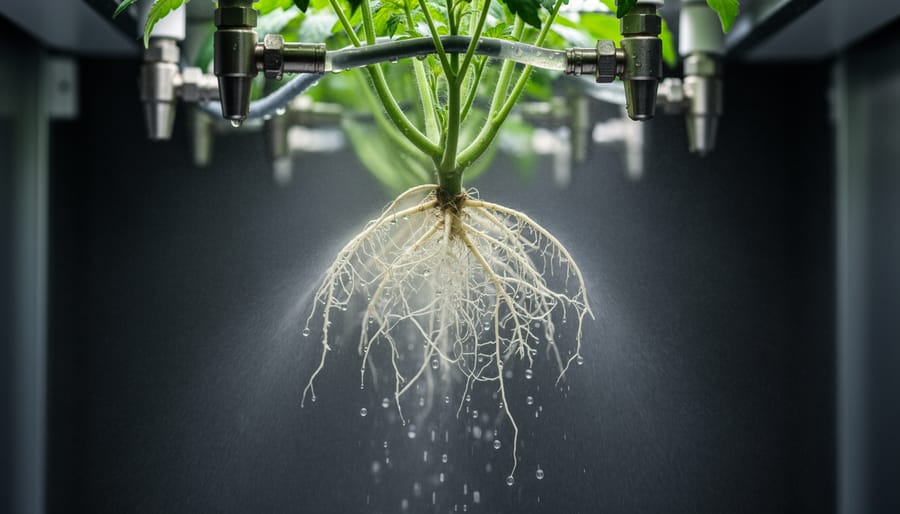
Aeroponic systems are another innovative soilless cultivation method, where the roots are suspended in the air and misted with a nutrient-rich solution. This method provides maximum oxygen exposure to the roots, which can significantly boost plant growth and yield.

Aeroponic systems are particularly popular in commercial settings where maximum yield and efficiency are essential, but they are also expensive and complex to set up, requiring precise environmental controls.

For the home grower, aeroponics can be rewarding but is best suited to those with experience and a solid understanding of nutrient management. If a system malfunction occurs, the roots can dry out quickly, which can be detrimental to plant health.

Nevertheless, aeroponics is highly efficient with water usage. This makes it a compelling option for environmentally-conscious cultivators.

Organic vs. Synthetic Nutrients

Regardless of the growing medium, cannabis plants require nutrients to thrive. Organic cultivation relies on natural fertilizers like compost, worm castings, and bat guano, which enrich the soil over time and can lead to a more complex flavor profile in the final product. Organic growing also helps maintain a healthier microbial environment, which supports root health.

On the other hand, synthetic nutrients offer precision and fast absorption, especially for hydroponic systems. These nutrients are designed to meet the plant’s needs during specific growth stages, from the vegetative phase to flowering.

Synthetic options are often easier to control, especially in hydroponic or aeroponic systems, as they dissolve readily in water.

Making the Right Choice

Selecting a cultivation method ultimately depends on factors like available space, budget, and the level of involvement a grower wants. Soil cultivation might be the easiest entry point for beginners due to its simplicity and forgiving nature.

Those looking for a more hands-on approach may enjoy experimenting with hydroponics or aeroponics, both of which can provide faster growth and higher yields, albeit with more maintenance.

In conclusion, cultivating cannabis offers a range of options, each with its advantages. Starting with a method that fits your lifestyle and resources can make the experience enjoyable and rewarding.

For the committed grower, exploring different methods can lead to even better results and a deeper appreciation for the craft of cannabis cultivation.

Whether you’re tending a small indoor setup or an outdoor garden, the journey of learning to grow cannabis is a fulfilling one that can lead to a bountiful harvest and a wealth of knowledge.

Highlights from Global Cannabis Events in 2024

In 2024, the global cannabis industry hosted a variety of events and trade shows that showcased its rapid growth and development. As legalization spreads across different regions, these gatherings have become essential for networking, education, and innovation.

Let’s explore some of the notable cannabis events and trade shows that made headlines this year.

Cannabis Business Summit & Expo

One of the most prominent events was the Cannabis Business Summit & Expo held in San Jose, California. This event brought together thousands of industry professionals, entrepreneurs, and advocates from around the world.

The summit featured a wide range of speakers, including industry leaders who discussed regulatory challenges, market trends, and sustainable practices.

Workshops and panel discussions covered various topics, such as cultivation techniques and marketing strategies, making it a valuable experience for both newcomers and seasoned professionals.

Cannabis Expo Amsterdam

Another major gathering took place in Amsterdam, which is well-known for its cannabis culture. The Cannabis Expo Amsterdam attracted participants interested in exploring the European cannabis market.

This event featured a mix of exhibitors, including growers, product manufacturers, and service providers.

Attendees had the chance to network, share ideas, and discover new products. The expo also included educational seminars that focused on medical cannabis research and the future of cannabis legislation in Europe, highlighting the region’s unique position in the global market.

New York Cannabis Expo

On the East Coast, the New York Cannabis Expo emerged as a key event following the legalization of recreational cannabis in New York. This expo became a hotspot for businesses looking to capitalize on the rapidly growing market.

It showcased local cannabis companies, hemp producers, and even international brands seeking to establish a presence in the area. The expo provided a platform for discussions on best practices, compliance, and community engagement, all essential elements as the industry matures.

O’Cannabis Expo

In Canada, the O’Cannabis Expo was another highlight of 2024, bringing together professionals from across North America.

This event focused on the latest trends in cannabis cultivation, retail, and consumption. It featured an impressive lineup of speakers, including researchers who discussed the health benefits of cannabis and its potential in pain management.

The expo also included a trade show where exhibitors displayed innovative products and services, emphasizing the creativity driving the industry forward.

MJBizCon

The MJBizCon in Las Vegas continued to be one of the largest cannabis trade shows in the world. Attracting thousands of attendees from around the globe, MJBizCon showcased the full spectrum of the cannabis industry, from cultivation to retail and everything in between.

With numerous educational sessions led by industry experts, participants had the chance to deepen their understanding of key topics such as regulatory compliance, marketing strategies, and emerging technologies.

The event also served as a vital networking opportunity, allowing businesses to connect and collaborate in a rapidly evolving market.

Cannabis Conference

The Cannabis Conference, held in Las Vegas, was another noteworthy event that focused on cultivation, dispensary operations, and business strategies. This conference provided attendees with insights into the latest industry trends and innovations.

Keynote speakers included successful cannabis entrepreneurs and researchers who shared their expertise on everything from sustainable farming practices to effective marketing techniques.

The conference also featured a variety of workshops that allowed participants to engage in hands-on learning and discussions, enhancing their understanding of the complexities of the cannabis industry.

CannaTech

Lastly, the CannaTech conference in Tel Aviv, Israel, marked an exciting international event for cannabis enthusiasts and professionals.

Known for its focus on innovation and technology within the cannabis space, CannaTech brought together investors, researchers, and entrepreneurs to explore the latest advancements in cannabis research and product development. The conference highlighted the importance of technology in enhancing cultivation practices and improving product quality.

Attendees had the opportunity to network and engage with thought leaders, making it a significant event for those looking to push the boundaries of the cannabis industry.

The Future of Cannabis Events

As the cannabis industry continues to grow and evolve, events and trade shows play a crucial role in fostering connections and sharing knowledge.

In 2024, these gatherings not only celebrated the successes of the industry but also addressed the challenges and opportunities that lie ahead. With an increasing number of events planned for the future, professionals and enthusiasts alike can look forward to more opportunities to learn, network, and innovate in the ever-changing landscape of cannabis.

In summary, the cannabis events of 2024 showcased the industry’s dynamic nature and its potential for growth. From informative seminars to expansive trade shows, these gatherings provided a platform for sharing ideas and building relationships.

As more regions embrace legalization and the market expands, the importance of these events will only continue to rise.