

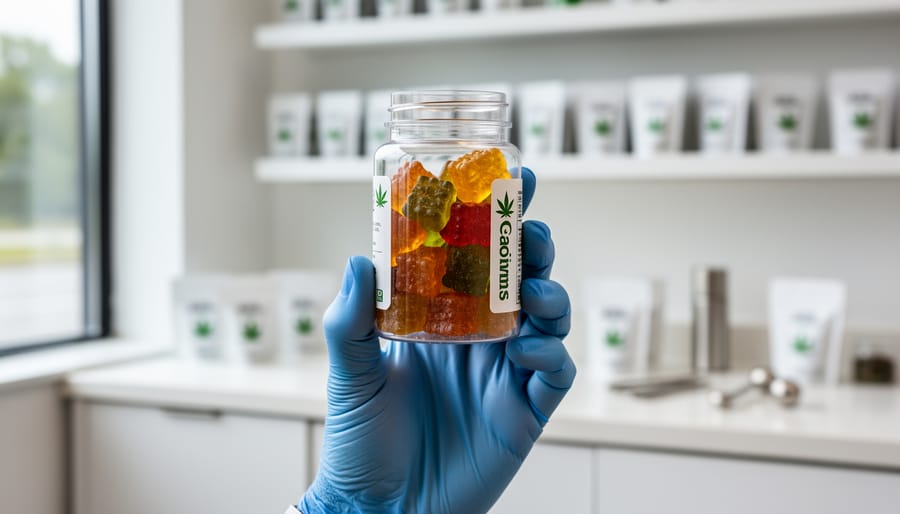
Why Your Cannabis Edibles Might Be Unsafe (And How Quality Control Fixes It)
Check the certificate of analysis (COA) before purchasing any edible product—this lab document confirms potency levels, verifies the absence of pesticides, heavy metals, and microbial contaminants, and ensures the THC or CBD content matches what’s printed on the label. Reputable brands make these certificates easily accessible through QR codes on packaging or their websites.
Examine packaging integrity and professional presentation. Quality-controlled edibles arrive in child-resistant, tamper-evident containers with clear labeling that includes batch numbers, manufacture dates, expiration dates, ingredients lists, and precise cannabinoid content per serving. Missing or vague information signals inadequate quality oversight.
Purchase from licensed dispensaries rather than unregulated sources. Licensed retailers must stock products from manufacturers who follow strict state testing requirements and good manufacturing practices. This regulatory framework protects you from contaminated, mislabeled, or dangerously potent products that bypass safety standards.
Recognize that inconsistent effects between doses often indicate poor quality control during production. Professional manufacturers use standardized extraction methods and homogenization processes to ensure every piece contains uniform cannabinoid distribution, eliminating the dangerous guesswork of unpredictable potency.
Understanding these quality markers empowers you to make informed choices about what you consume. The cannabis edibles industry continues maturing, and educated consumers drive demand for higher standards. When manufacturers know buyers scrutinize COAs and expect transparent testing, they invest in better quality control systems. Your purchasing decisions support a safer, more reliable market for everyone while protecting your own wellness and ensuring the experience you expect from every product.
What Quality Control Actually Means for Cannabis Edibles
The Difference Between Testing and True Quality Assurance
Many people think quality control simply means testing the finished product before it hits the shelves. While testing is certainly important, true quality assurance in edibles manufacturing is far more comprehensive. It’s a holistic approach that begins long before production and continues throughout every step of the process.
Quality assurance starts with sourcing premium cannabis from trusted cultivators who follow sustainable growing practices. It includes carefully selecting ingredients, maintaining clean production facilities, training staff on proper handling procedures, and implementing standardized recipes and processes. During manufacturing, quality control means monitoring temperatures, checking equipment calibration, and verifying accurate dosing at multiple points along the production line.
Think of it this way: final product testing can catch problems, but comprehensive quality assurance prevents them from happening in the first place. A reputable manufacturer builds quality into every decision, from the farm to your hands. This proactive approach protects both consumer safety and product consistency, ensuring that each edible meets strict standards before, during, and after production. When companies commit to this level of oversight, you can feel more confident about the products you choose.
Key Quality Checkpoints from Kitchen to Counter
Quality cannabis edibles don’t happen by accident. They’re the result of careful oversight at multiple production stages, each designed to catch potential issues before products reach consumers. Understanding these checkpoints helps you appreciate what goes into the edibles you choose and what standards responsible manufacturers uphold.
The journey begins with ingredient inspection, where raw cannabis and other components are tested for contaminants like pesticides, heavy metals, and microbial growth. Clean starting materials are essential for safe final products.
During extraction and infusion, manufacturers monitor cannabinoid concentrations to ensure accurate dosing. This stage requires precise temperature control and careful measurement, as it determines how much THC or CBD ends up in each serving.
The production phase includes regular sampling and testing of batches. Quality teams check for consistency, verifying that cannabinoids are evenly distributed throughout the product. Nobody wants an edible where one piece contains significantly more or less than labeled.
Post-production testing happens before packaging, where independent laboratories analyze samples for potency, contaminants, and compliance with state regulations. This third-party verification provides an additional layer of consumer protection.
Finally, packaging and labeling review ensures all required information appears clearly on products, including dosage instructions, ingredients, warnings, and lab results. Proper storage conditions are maintained until products reach dispensary shelves.
Each checkpoint serves as a safety net, working together to deliver edibles that are consistent, accurately dosed, and free from harmful substances. When manufacturers prioritize these quality stages, consumers benefit from products they can trust.
The Real Dangers of Poor Quality Control
Inconsistent Dosing: Why Your Experience Varies
When you take an edible today and feel great, but the same product from the same package barely affects you tomorrow, that’s inconsistent dosing in action. This problem happens when manufacturers don’t properly measure, mix, or test their products throughout production. In poorly controlled operations, the active compounds may settle unevenly during mixing, meaning one gummy might contain 5mg while another from the same batch contains 25mg.
This variation creates real safety concerns. Someone expecting a mild experience might accidentally consume much more than intended, leading to uncomfortable effects like anxiety, disorientation, or prolonged impairment. For new users especially, this unpredictability can be frightening and discourage them from finding products that might genuinely help them.
The financial impact matters too. When potency varies wildly, you’re essentially gambling with your purchase. You might pay premium prices only to receive underdosed products that don’t deliver expected results.
Quality-controlled edibles solve this through rigorous testing at multiple production stages. Reputable manufacturers test both their starting materials and finished products, ensuring every piece contains the labeled amount within a tight acceptable range. This consistency lets you confidently plan your experience, adjust your dosing accurately over time, and trust that each purchase will match your expectations.
Contamination Risks You Should Know About
Understanding potential contamination risks helps you make informed choices about the edibles you consume. Here are the main concerns to be aware of:
Pesticides can find their way into edibles when cannabis plants are treated with chemical pest control products during cultivation. While these substances protect crops, they shouldn’t end up in your body. Quality testing identifies and quantifies any pesticide residues to ensure they fall within safe limits.
Heavy metals like lead, arsenic, cadmium, and mercury can accumulate in cannabis plants from contaminated soil or water. Even small amounts of these metals pose health risks over time, making testing essential for consumer safety.
Microbial contaminants include bacteria, mold, and yeast that can grow during cultivation, processing, or storage. Some of these organisms produce toxins that remain even after the microbes themselves are gone. Proper testing screens for dangerous pathogens like E. coli, Salmonella, and aspergillus.
Residual solvents are chemicals sometimes used to extract cannabinoids from plant material. When extraction processes aren’t properly controlled, traces of butane, propane, or ethanol may remain in the final product. Testing ensures these solvents are either absent or present only at safe levels.
Quality control testing addresses all these risks, giving you confidence that your edibles meet safety standards before reaching your hands.
How Professional Quality Control Protects You
Laboratory Testing Requirements
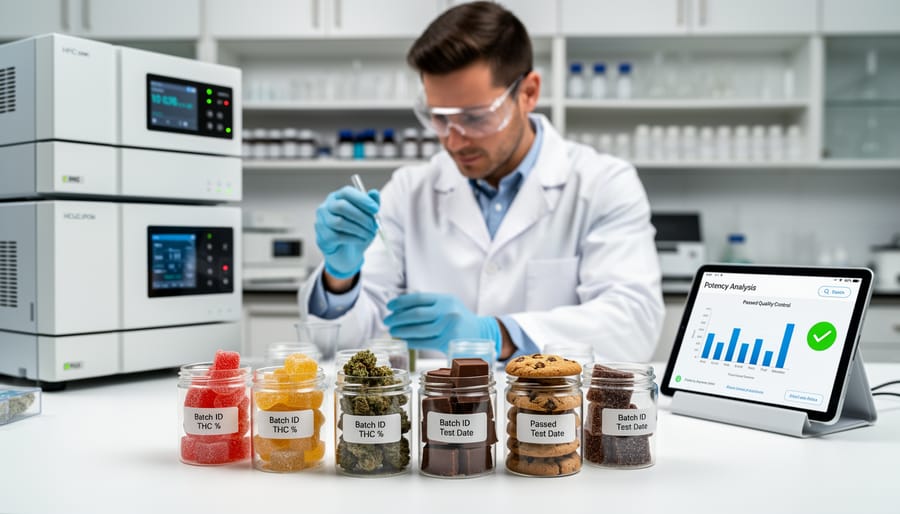
When you purchase quality cannabis edibles, they should have undergone comprehensive laboratory testing to verify both safety and potency. Understanding what these tests involve helps you make informed choices and recognize products that prioritize your wellbeing.
Potency testing measures the exact concentration of cannabinoids like THC and CBD in each product. This ensures the label accurately reflects what you’re consuming, allowing you to dose confidently and avoid unexpected experiences. Reliable potency data empowers you to find products that match your desired effects, whether you’re seeking mild relaxation or stronger therapeutic benefits.
Contaminant screening protects your health by checking for harmful substances that shouldn’t be in your edibles. Labs test for pesticides, heavy metals, residual solvents from extraction processes, and microbial contamination including mold, bacteria, and yeast. These tests are particularly important because edibles are ingested directly, making purity essential. Quality manufacturers view these screenings as non-negotiable safety measures rather than regulatory hurdles.
Terpene analysis identifies the aromatic compounds that contribute to each strain’s unique characteristics and potential effects. While not always required by law, responsible producers include terpene testing to provide complete product transparency. These compounds may influence how cannabinoids interact with your body, contributing to the overall experience.
Certificates of Analysis (COAs) document all testing results and should be readily available through QR codes on packaging or company websites. Reading these reports puts valuable knowledge in your hands, helping you choose products from manufacturers who demonstrate genuine commitment to quality and safety standards that protect consumers like you.
Manufacturing Standards That Make a Difference
Good Manufacturing Practices (GMP) form the backbone of quality edibles production. These standards ensure that manufacturers maintain clean facilities, train staff properly, and follow consistent procedures at every production stage. When a company adheres to GMP guidelines, you can trust that your edibles were made in controlled environments where contamination risks are minimized and quality remains paramount.
Batch consistency is another crucial element that distinguishes exceptional manufacturers. Each batch should undergo rigorous testing to verify that cannabinoid levels match the label claims. Reputable producers implement strict protocols that include testing multiple samples from each production run, maintaining detailed records, and immediately addressing any variations. This commitment means you can expect the same experience whether you purchase a product today or six months from now.
Ingredient sourcing standards reveal a manufacturer’s overall commitment to quality. Leading companies prioritize organically grown cannabis, use clean extraction methods, and source additional ingredients from verified suppliers. They maintain transparency about where their cannabis comes from and how it was cultivated. Many responsible manufacturers also embrace sustainable practices, choosing suppliers who prioritize environmental stewardship and ethical growing methods.
When evaluating edibles, look for products from manufacturers who openly discuss their quality standards. Companies that invest in GMP certification, publish batch testing results, and provide detailed ingredient sourcing information demonstrate their dedication to your safety and satisfaction. This transparency empowers you to make informed decisions and choose products that align with your values and quality expectations.
Reading Your Edibles Package Like a Pro
What Those Lab Result Numbers Really Mean
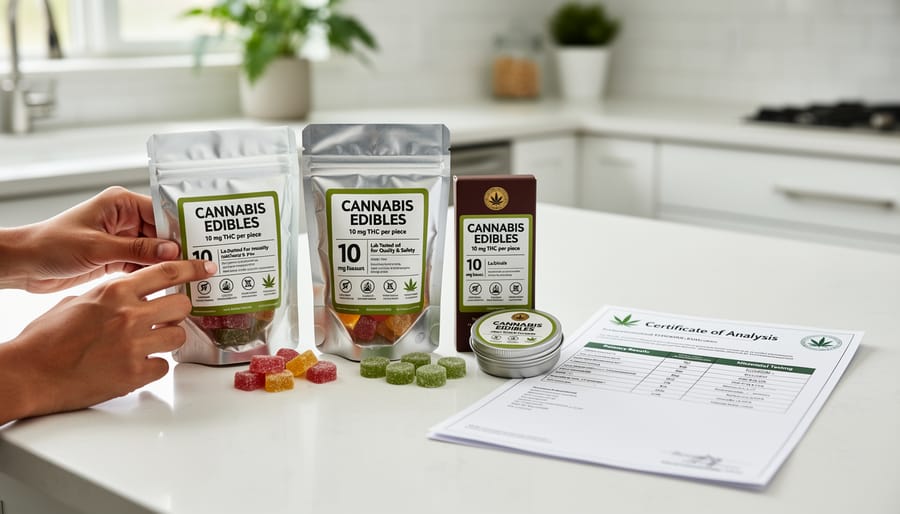
When you look at lab results on your edibles packaging, those numbers tell an important story about what you’re consuming. The THC percentage indicates potency—for example, “10mg THC per piece” means each edible contains 10 milligrams of the primary psychoactive compound. If you’re new to edibles, starting with 2.5-5mg helps you understand your tolerance safely.
The batch number connects your specific product to its test results, allowing you to verify quality and trace any issues back to production. Think of it like a serial number that ensures accountability. Test dates matter too—fresher results mean the product was recently analyzed, and cannabinoid content can degrade over time, especially if stored improperly.
You might also see CBD percentages, which provide therapeutic benefits without intoxication. A 1:1 THC:CBD ratio offers balanced effects, while higher CBD ratios suit those seeking wellness benefits with minimal psychoactivity.
Look for comprehensive testing beyond just cannabinoids, including pesticides, heavy metals, and microbial contaminants. Complete lab results empower you to make informed choices about what enters your body. When companies share transparent, detailed test results, they’re demonstrating commitment to your safety and demonstrating respect for your right to know exactly what you’re consuming.
Red Flags That Signal Poor Quality Control
When selecting cannabis edibles, certain warning signs can help you identify products that may lack proper quality control. Packaging that appears unprofessional, faded, or damaged suggests improper storage or handling that could compromise product integrity. Missing or incomplete labels are immediate red flags—legitimate products should always display dosage information, ingredient lists, testing results, and clear manufacturing dates.
Be cautious of edibles with vague or missing batch numbers, as these make it impossible to trace the product back to specific testing results. Products sold without child-resistant packaging violate safety regulations in most jurisdictions and indicate a disregard for basic standards. Inconsistent appearance, unusual odors, or visible mold growth signal serious quality issues that could pose health risks.
Price can also be telling. While you don’t always get what you pay for, edibles priced significantly below market average may indicate corner-cutting in production or testing. Products that lack third-party lab testing results or Certificate of Analysis information should raise concerns, as reputable manufacturers readily provide this transparency.
Trust your instincts when purchasing from retailers. Dispensaries that can’t answer basic questions about their products, sourcing, or testing procedures may not prioritize quality control. Empowering yourself with knowledge about these warning signs helps you make safer, more informed choices while supporting businesses that maintain high standards and sustainable practices.
Questions to Ask Your Dispensary About Edibles Quality
Walking into a dispensary can feel overwhelming, especially when choosing edibles. The good news is that knowledgeable budtenders are there to help you make informed decisions. By asking the right questions, you can better understand the quality standards behind the products you’re considering.
Start by asking whether the edibles have been tested by a third-party laboratory. Request to see the certificate of analysis (COA), which should detail cannabinoid potency, terpene profiles, and results for contaminants like pesticides, heavy metals, and residual solvents. Many quality-focused dispensaries make these readily available.
Next, inquire about consistency across batches. Ask how the manufacturer ensures each piece contains the stated amount of THC or CBD. This speaks to their production standards and commitment to reliable dosing.
Don’t hesitate to ask about the source of ingredients. Questions about whether products are made with organic ingredients, sustainable practices, or locally sourced materials can reveal a company’s overall quality commitment.
Ask about storage conditions too. Proper temperature and humidity control preserve potency and prevent contamination, so understanding how products are stored both at the manufacturing facility and in the dispensary matters.
Finally, request information about the manufacturer’s recall history and quality control protocols. Reputable brands are transparent about their processes and willing to share this information.
Remember, these questions aren’t intrusive—they demonstrate you’re an informed consumer who values safety and quality. A trustworthy dispensary will welcome your curiosity and provide clear, honest answers.

The Future of Edibles Quality Control
The cannabis edibles industry is evolving rapidly, with exciting innovations on the horizon that promise even greater safety and consistency for consumers. Artificial intelligence and machine learning are beginning to play a role in quality control, helping manufacturers predict and prevent contamination issues before they occur. Advanced testing methods, including real-time potency monitoring and rapid microbial detection systems, are making quality checks faster and more accurate than ever before.
Blockchain technology is also emerging as a powerful tool for transparency, allowing you to trace your edibles from seed to sale and verify every quality checkpoint along the way. This means you’ll have unprecedented access to information about where your products come from and how they were tested.
As the industry matures, we’re seeing standardization efforts across state lines, which will eventually make it easier for you to recognize quality products regardless of where you purchase them. Sustainability is becoming integrated into quality standards too, with eco-friendly packaging and organic cultivation practices increasingly seen as markers of premium products. These advances empower you to make informed choices while supporting companies committed to both your safety and environmental responsibility.
Understanding quality control in cannabis edibles puts the power back in your hands as a consumer. When you know what to look for—comprehensive lab testing, transparent labeling, proper packaging, and reputable manufacturers—you can make informed decisions that prioritize your safety and wellbeing. Quality control isn’t just about regulatory compliance; it’s about respect for consumers and commitment to producing products you can trust.
Remember the key takeaways: always check for third-party lab test results that verify potency and screen for contaminants, examine packaging for tamper-evident seals and complete ingredient lists, verify that dosing information is clear and accurate, and research brands that demonstrate transparency in their manufacturing processes. Don’t hesitate to ask questions at dispensaries or reach out to manufacturers directly—companies that prioritize quality control will welcome your inquiries.
As the cannabis industry continues to evolve, your choices as a consumer shape its future. By supporting brands that invest in rigorous quality control and sustainable practices, you encourage higher standards across the entire market. Whether you’re new to cannabis edibles or an experienced user, staying educated about quality control helps protect not only your own health but contributes to a safer, more responsible industry for everyone. Your commitment to seeking out safe, transparent, and well-tested products makes a difference.