The Cannabis Dispensary

Loading

Category Cannabis Quality & Transparency

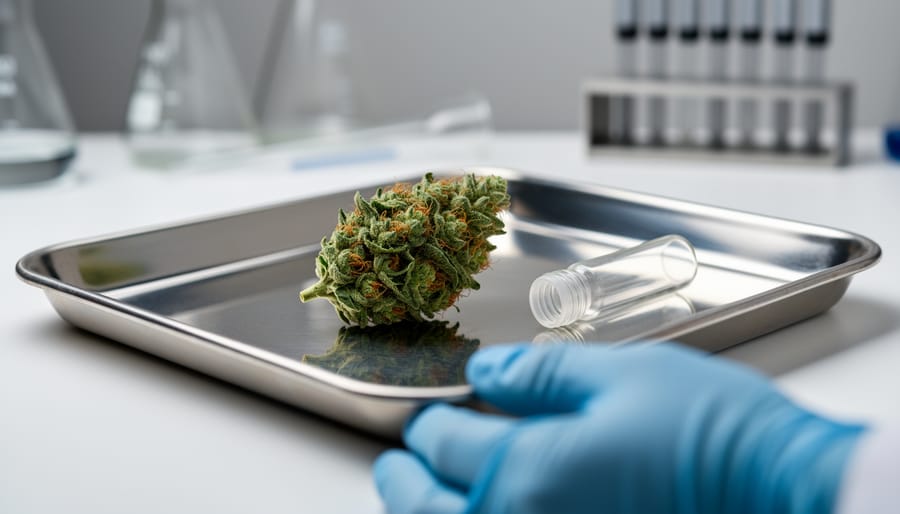
A cannabis flower bud on a stainless-steel lab tray next to a transparent sample vial under clean laboratory lighting.

What Makes a Cannabis Company Trustworthy in 2026

A trustworthy cannabis company prioritizes rigorous third-party lab testing, transparent sourcing practices, and consistent product quality backed by clear documentation. In 2026, as the cannabis industry matures, consumers have more choices than ever, but not all providers meet the same standards. The companies that earn your confidence share specific traits: they publish full cannabinoid and contaminant test results, trace their products from seed to sale, employ knowledgeable staff who educate rather than just sell, and operate with genuine trust and transparency in every customer interaction.

Building that trust starts with understanding what separates reputable businesses from those cutting corners. Reliable cannabis providers invest in sustainable cultivation methods, maintain proper licensing and compliance records, and stand behind their products with clear return policies and responsive customer service. They don’t hide behind vague marketing language or make exaggerated health claims. Instead, they provide the information you need to make informed decisions about dosage, consumption methods, and product selection based on your individual goals.

This article equips you with practical criteria to evaluate any cannabis company, whether you’re a first-time buyer or an experienced consumer seeking a new trusted source. You’ll learn to recognize red flags, ask the right questions, and distinguish between genuine quality commitments and empty promises. The cannabis market rewards informed consumers, and knowing what to look for transforms shopping from guesswork into confident decision-making.

The Foundations of Cannabis Company Trustworthiness

Third-Party Lab Testing and Verification
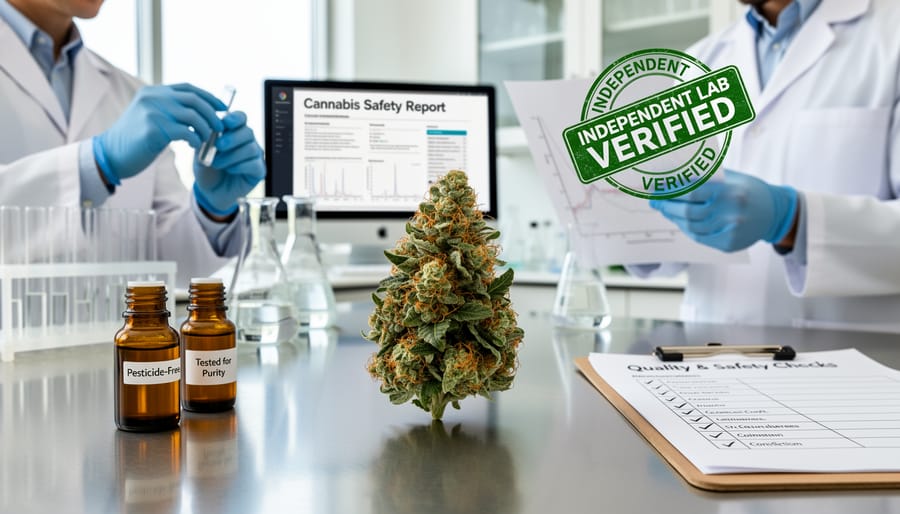
Close view of a cannabis bud on a lab bench with a gloved technician nearby
A cannabis bud in a lab setting emphasizes the importance of safety checks and independent verification in trustworthy brands.

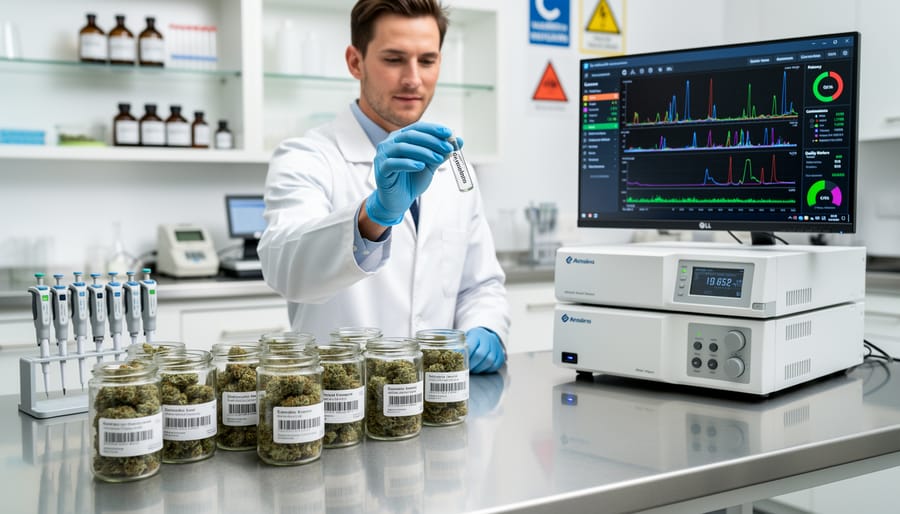
Independent lab testing stands as the cornerstone of cannabis product safety. When a company that grows or manufactures its own products also tests them internally, bias is unavoidable. Third-party verification eliminates that conflict by having an unaffiliated laboratory analyze cannabinoid content and screen for harmful substances, exactly why it matters to informed consumers in 2026.

A comprehensive Certificate of Analysis (COA) should detail the cannabinoid profile, listing THC, CBD, CBN, CBG, and other compounds with precise percentages. It must also show test results for contaminants: heavy metals like lead and arsenic, residual pesticides, microbial impurities including mold and E. coli, and residual solvents from extraction processes. Missing any of these categories signals incomplete testing.

Verifying authenticity is straightforward. Reputable companies print batch or lot numbers on product labels and provide QR code access to COA records, scan the code with your phone, and the lab report matching that specific batch should appear instantly. Check that the batch number on the COA matches your product packaging and that the testing date is recent, typically within three months of purchase. If a company can’t produce these documents or claims they’re “unavailable,” walk away.

Transparent Sourcing and Cultivation Practices

Greenhouse cultivation area with healthy cannabis plants in rows
A greenhouse crop view conveys transparent sourcing and consistent cultivation practices as part of a company’s trustworthiness.

Where your cannabis comes from matters as much as what’s in it. Trustworthy companies provide clear details about their cultivation locations, methods, and supply chain instead of hiding behind vague marketing claims.

Start by asking where the cannabis was grown. Reputable companies specify the state or region, the facility type (indoor, greenhouse, outdoor), and often name their cultivation partners. This geographic transparency helps you understand environmental factors that influence quality and allows you to support local growers when that aligns with your values.

Cultivation methods reveal a company’s priorities. Look for specific information about growing practices rather than generic “premium quality” statements. Companies should explain whether they use organic inputs, integrated pest management, or regenerative techniques. The best operations describe their cultivation systems in plain language, from soil composition to irrigation methods, demonstrating expertise and pride in their process.

Supply chain communication separates truly transparent companies from those merely checking boxes. Ask how products move from farm to shelf. Trustworthy brands track every step, maintain batch traceability, and can tell you exactly when your product was harvested, processed, and packaged. This level of detail isn’t showing off, it’s proof of quality control systems that protect you from contamination or degradation.

Watch for companies that share farmer stories, facility photos, or cultivation updates. This openness signals nothing to hide and everything to share about their standards.

Clear Product Labeling and Information

A trustworthy cannabis label tells you everything you need to make an informed decision before you buy. Comprehensive labeling isn’t just a regulatory checkbox, it’s how companies demonstrate respect for consumer safety and choice.

At minimum, reliable labels display total THC and CBD content in milligrams, not just percentages, so you understand the actual dose per serving. For edibles, this means showing cannabinoid amounts per piece and per package. Ingredients should be listed clearly, flagging common allergens like nuts or dairy. Packaging and labelling requirements in many jurisdictions mandate this transparency, but trustworthy companies go further by including strain information and terpene profiles that help predict effects.

Effective labels also communicate expected onset times and duration. Edibles might take 30 to 90 minutes to take effect and last several hours, while inhalation works within minutes. New consumers especially benefit from this context to avoid overconsumption.

Warnings matter too. Look for clearly stated health advisories about pregnancy, driving, operating machinery, and age restrictions. Trustworthy brands include responsible use guidance and potential side effects like drowsiness or dry mouth.

Accessibility is key. Information shouldn’t require detective work. QR codes linking to detailed lab results, dosing guides, and usage instructions make complex data digestible. When labels assume you have questions rather than hiding details in fine print, you’re dealing with a company that values informed consumers over quick sales.

How to Evaluate a Cannabis Company’s Transparency

Questions to Ask Before You Buy

Before making a purchase, asking the right questions can quickly reveal whether a cannabis company operates with genuine transparency or just talks about it. Start with the basics: “Can I see the lab results for this specific batch?” A trustworthy company will provide immediate access, usually through a QR code on the packaging or a certificate displayed in-store. If staff hesitate or offer vague responses, that’s a warning sign.

Next, inquire about sourcing: “Where was this cannabis grown, and what cultivation methods were used?” Companies committed to transparency know their supply chain and can tell you whether products come from organic farms, indoor facilities, or outdoor operations. They should also explain their pesticide policies without defensiveness.

Ask about dosing guidance, especially for edibles and concentrates: “What onset time should I expect, and how should I adjust my dose if I’m new to this product?” Quality companies train their staff to provide specific, helpful answers rather than generic suggestions.

For any product, try: “What’s your return or exchange policy if this doesn’t work for me?” Transparent businesses stand behind their products and have clear policies that protect consumers, not just their bottom line.

Finally, gauge their commitment to education: “Do you offer resources for first-time users?” or “Can you explain the difference between these two strains and why one might suit my needs better?” Companies that prioritize trust invest in educating customers, not just moving inventory. If budtenders seem rushed or unwilling to answer thoughtfully, consider shopping elsewhere. Your questions deserve complete, confident answers.

Red Flags That Signal Lack of Trust

Certain warning signs should immediately raise concerns about a cannabis company’s trustworthiness. Missing or inaccessible lab results top the list. If a dispensary cannot provide current Certificate of Analysis (COA) documents for products you’re considering, walk away. Legitimate companies make testing results readily available, typically through QR codes on packaging or online databases searchable by batch number.

Vague or evasive answers about sourcing reveal another red flag. When you ask where cannabis is grown or how it’s cultivated, trustworthy companies provide specific answers. Responses like “from quality sources” or “premium farms” without naming locations or methods suggest the company either doesn’t know their supply chain or prefers you don’t.

Overly aggressive marketing tactics, particularly health claims unsupported by research, signal problems. Companies making promises about curing diseases, guaranteeing specific effects, or using language like “miracle cure” operate outside ethical bounds and likely regulatory compliance. Cannabis has genuine benefits, but reputable companies present them honestly within legal parameters.

Staff who seem annoyed by questions or push you toward purchases without addressing your concerns demonstrate a sales-first rather than customer-first approach. Knowledgeable budtenders at trustworthy dispensaries welcome questions and take time to ensure you understand products, dosing, and potential effects.

Packaging that looks deliberately similar to mainstream candy brands or lacks proper warnings and ingredient lists indicates regulatory shortcuts. This extends to missing license numbers, unclear ownership information, or reluctance to share compliance documentation.

Price points dramatically below market average often reflect compromised quality or questionable sourcing. While competitive pricing is normal, prices that seem too good to be true usually are. Trust your instincts when something feels off, and prioritize your safety over saving a few dollars.

The Role of Education in Building Trust

Trustworthy cannabis companies recognize that an informed customer is a safer, more satisfied customer. Rather than pushing products through aggressive sales tactics, these businesses invest in comprehensive education that helps consumers understand what they’re buying, how to use it responsibly, and what effects to expect. This commitment to education manifests in multiple ways: detailed product guides, dosage calculators, strain databases, and accessible explanations of cannabinoids, terpenes, and consumption methods. Companies that prioritize education understand they’re serving an audience with varying experience levels, from first-time users to seasoned consumers seeking new products, and they tailor their resources accordingly.

Note: Education empowers consumers to make informed choices and is a hallmark of companies committed to long-term customer wellbeing over short-term profits.

Staff training is equally critical. Budtenders and customer service representatives should be knowledgeable about product lines, effects, potential interactions, and consumption guidelines. When employees can answer questions confidently, recommend products based on individual needs rather than profit margins, and explain the significance of lab results or terpene profiles, it signals that the company values expertise over transactions. Look for businesses that require ongoing staff education, encourage questions without pressure, and provide time for genuine consultation rather than rushing customers through purchases.

Beyond the point of sale, trustworthy companies engage with their communities through workshops, educational events, and transparent communication about cannabis research and industry developments. They might host sessions on responsible consumption, offer guidance for new users, or publish blog content that addresses common concerns and misconceptions. This outreach demonstrates a commitment to destigmatizing cannabis use while promoting safety and informed decision-making.

Educational resources should be accessible across multiple formats. Written guides, video tutorials, infographics, and one-on-one consultations serve different learning preferences and situations. Companies that maintain updated, accurate information that reflects current regulations, research findings, and product innovations show they’re invested in their customers’ ongoing education, not just their immediate purchase. This approach builds trust by positioning the company as a reliable source of knowledge in an industry where misinformation and confusion still persist.

Sustainability as a Trust Indicator

A cannabis company’s environmental practices reveal more than just ecological awareness, they demonstrate long-term thinking, responsibility, and genuine care for the communities they serve. When a business invests in sustainability, it signals that profit isn’t the only priority, making it a meaningful trust indicator for conscious consumers in 2026.

Start by examining packaging choices. Trustworthy companies use recyclable glass containers, biodegradable materials, or minimal plastic rather than excessive packaging that creates unnecessary waste. Some brands implement take-back programs where customers return containers for reuse or proper recycling. If a company wraps products in multiple layers of non-recyclable plastic and foam, question whether they value environmental impact or just shelf appeal.

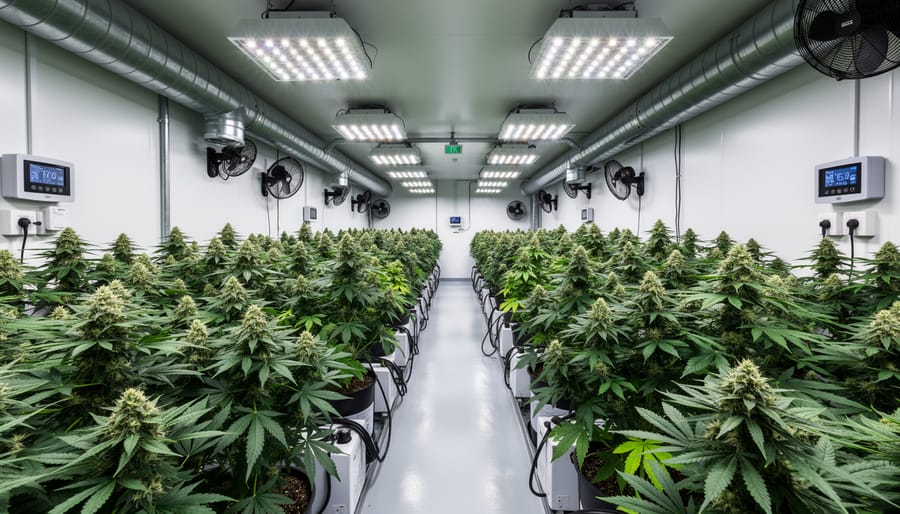
Energy consumption in cultivation deserves scrutiny, particularly for indoor operations that require significant lighting and climate control. Responsible growers offset their carbon footprint through renewable energy sources like solar panels, invest in energy-efficient LED lighting systems, and implement water reclamation practices. Companies that openly share their energy reduction efforts and sustainability certifications demonstrate accountability. Learning how to verify these environmental claims protects you from greenwashing, when businesses exaggerate their eco-friendly practices without substantive action.

Waste management practices also matter. Ethical companies compost plant waste, minimize chemical runoff, and properly dispose of extraction byproducts rather than dumping them irresponsibly. Some partner with local recycling facilities or create circular systems where waste from one process becomes input for another.

Beyond operations, look for community involvement in environmental initiatives, sponsoring local cleanups, supporting conservation projects, or educating customers about sustainable consumption. Companies that treat sustainability as core to their mission rather than a marketing angle build deeper trust because they recognize their impact extends beyond individual transactions to the health of the planet and future generations.

Common Questions About Trust in Cannabis Companies

When navigating the cannabis market, consumers often encounter questions about safety, quality verification, and company credibility. Understanding how to assess these factors empowers you to make informed decisions and support businesses that prioritize your wellbeing.

How do I properly read a cannabis lab certificate?

Look for the batch or lot number that matches your product, verify the testing date is recent, and check that results show cannabinoid percentages plus tests for pesticides, heavy metals, residual solvents, and microbial contaminants. The certificate should include the testing facility’s name and contact information, and all contaminant levels should fall within your state’s acceptable limits.

Does organic certification matter for cannabis products?

While federal organic certification isn’t available for cannabis due to its Schedule I status, some states offer similar programs, and certifications like Clean Green or comparable standards indicate pesticide-free, sustainable cultivation practices. These certifications demonstrate a company’s commitment to quality and environmental responsibility, though absence of certification doesn’t automatically mean inferior products if other transparency measures are strong.

What should I do if lab test results aren’t available for a product I’m considering?

Ask the dispensary staff directly for the test results or contact the brand’s customer service, reputable companies will provide them promptly. If a company cannot or will not produce current lab results for their products, choose a different brand that demonstrates transparency through readily available testing documentation.

How can I report a cannabis product I believe is unsafe or mislabeled?

Contact your state’s cannabis regulatory agency, which handles consumer complaints and product safety investigations. You can also report the issue directly to the dispensary where you purchased the product and consider sharing your experience through verified reviews to help other consumers.

Beyond these common concerns, remember that regulations exist specifically to protect you as a consumer. State cannabis agencies establish testing requirements, labeling standards, and quality controls that licensed companies must follow. These regulations create accountability and provide recourse when problems arise.

If you encounter a company that seems evasive about their practices or dismissive of your safety questions, trust your instincts. The cannabis industry has matured significantly, and truly trustworthy companies welcome inquiries because they understand that education and transparency strengthen the entire market. Your questions aren’t inconvenient, they’re essential to maintaining the standards that protect all consumers.

Trust in the cannabis industry isn’t given, it’s earned through daily commitment to transparency, safety, and education. The companies worth your business are those that welcome your questions, provide clear answers, and back up their claims with verifiable evidence. They don’t hide behind marketing language or treat compliance as a checkbox exercise.

As you navigate the cannabis market in 2026, you hold the power to shape industry standards through your choices. Prioritize companies that share complete lab results, explain their sourcing, invest in sustainability, and treat education as essential rather than optional. Ask questions before you buy. Request batch-specific test results. Inquire about cultivation practices and environmental commitments.

The cannabis industry continues to mature, and your expectations matter. Companies that value integrity understand that transparency builds lasting relationships, not just transactions. When you support businesses that prioritize your safety and wellbeing over shortcuts, you’re not just making a purchase, you’re participating in an industry transformation. Trust the companies that trust you enough to share the full story behind their products, and never settle for anything less than the transparency and accountability you deserve.

Close-up of a sealed cannabis sample jar and stainless-steel lab equipment with blurred cannabis plants and testing tools in the background.

What Is Trust and Transparency in Cannabis (and Why Does It Matter)?

Trust and transparency in cannabis mean clear, verifiable information about how a product was grown, tested, and handled from cultivation to your hands. In an industry where quality and safety can vary dramatically between producers, these principles separate responsible businesses from those cutting corners. When a cannabis company operates with transparency, you can trace every step of production, review independent lab results, verify pesticide-free growing practices, and understand exactly what you’re consuming.

The stakes here are personal. Cannabis enters your body, and what you don’t know can affect your health, your experience, and your wallet. Transparency protects you from contaminated products, misleading potency claims, and environmental practices that contradict your values. It’s the difference between a producer who openly shares third-party test results and one who provides only minimal information required by law.

This article breaks down what genuine transparency looks like in practice, how reputable cannabis businesses demonstrate it through testing protocols and supply chain disclosure, and the specific signs that signal a company you can trust. You’ll learn to recognize the hallmarks of transparent operations, understand why certain practices matter more than others, and develop a practical framework for evaluating any cannabis source. Whether you’re new to cannabis or a longtime consumer, knowing how to identify trustworthy sources empowers you to make safer, more informed choices aligned with your health and sustainability priorities.

Key Takeaway: Trustworthy cannabis businesses demonstrate transparency through five core practices: independent third-party testing with accessible results, clear and detailed product labeling, disclosed sourcing and cultivation methods, readily available information through multiple channels, and accountability systems that welcome questions and feedback.

What Trust and Transparency Mean in Cannabis

In the cannabis industry, trust means having confidence that the product you’re purchasing is safe, accurately labeled, and produced to consistent quality standards. It’s the assurance that a dispensary, cultivator, or manufacturer stands behind their products and operates with integrity. Transparency is the mechanism that builds that trust, it’s the practice of openly sharing verifiable information about where cannabis comes from, how it’s grown, what it contains, and how it’s been tested.

Unlike general business transparency, which might involve financial disclosures or customer reviews, cannabis-specific transparency revolves around product safety and regulatory accountability. This includes meeting mandatory state testing requirements, maintaining detailed records through seed-to-sale tracking systems, and providing customers with laboratory results for every batch sold. Several core concepts define this framework:

Trust
Confidence that cannabis products are safe, accurately labeled, and produced by businesses that prioritize consumer welfare over shortcuts.
Transparency
The practice of openly sharing verifiable information about sourcing, cultivation methods, testing results, and manufacturing processes.
Chain of Custody
The documented record of every person and facility that handles cannabis from seed to final sale, creating accountability at each stage.
Certificate of Analysis (COA)
A laboratory document showing test results for potency, contaminants, pesticides, and other safety markers for a specific product batch.
Seed-to-Sale Tracking
Software systems mandated by most states that monitor cannabis plants and products throughout their entire lifecycle, creating an auditable trail.
Third-Party Testing
Independent laboratory analysis conducted by facilities not affiliated with the producer, ensuring unbiased verification of product safety and potency.

Beyond these regulatory minimums, many reputable cannabis businesses practice voluntary disclosure, sharing cultivation techniques, ingredient sourcing, staff training protocols, and even facility photos. This goes further than compliance, demonstrating a genuine commitment to keeping customers informed and building long-term relationships based on openness rather than opacity.

How Trust and Transparency Work in the Cannabis Industry

Cannabis bud placed on a lab bench next to a sealed vial and evidence-style bag
A cannabis sample set up in a lab-like environment suggests the kind of controlled handling that supports trust and verified testing.

Testing and Quality Assurance

Third-party laboratory testing serves as the foundation of product safety in cannabis. Independent labs analyze samples to confirm cannabinoid levels, THC, CBD, and others, so the percentage on the label matches what’s actually in the product. This verification matters for dosing accuracy and helps consumers avoid unexpectedly strong or weak products.

These labs also screen for contaminants that pose health risks: pesticides, heavy metals, residual solvents from extraction, microbial growth like mold and bacteria, and mycotoxins. Each test identifies whether a product meets safety thresholds established by regulators or exceeds limits that could cause harm.

Results appear on a Certificate of Analysis (COA), a document that details every compound tested and lists pass or fail outcomes. Reputable dispensaries make COAs available on request or display them publicly, sometimes with QR codes linking to lab reports. When reading a COA, check the batch number matches your product, verify the test date is recent, confirm all required tests show “pass,” and note the lab’s name to ensure it’s licensed and independent.

As industry findings continue to refine testing standards, consumers gain clearer insight into what they’re purchasing, turning transparency from concept into verifiable fact.

Traceability and Record-Keeping

In regulated cannabis markets, traceability systems create a digital paper trail that follows every plant and product from the moment a seed goes into soil until a consumer walks out of a dispensary with their purchase. These seed-to-sale tracking platforms, mandated by state regulators, require licensed businesses to log each milestone: when plants are tagged, when they’re harvested, how much biomass enters processing, what products result, and which retail locations receive inventory.

This constant data feed flows into state-run databases that regulators can audit in real time. If a contamination issue surfaces, officials can trace the affected batch backward through processing to the specific cultivation room, and forward to identify every package still in circulation. The system prevents diversion into illegal markets and enables swift recalls when problems arise.

For consumers, this infrastructure means the product in your hand has a documented history. Dispensaries can show you where your flower was grown, when it was tested, and how long it’s been on the shelf. When a business openly shares this chain-of-custody information rather than treating it as proprietary, you’re seeing transparency in action, proof that accountability exists beyond the transaction counter.

Core Components of a Transparent Cannabis Operation

A transparent cannabis operation rests on five interconnected pillars that work together to build consumer confidence. The strongest businesses don’t just meet minimum regulatory requirements, they exceed them, treating transparency as a competitive advantage rather than a compliance burden.

Verified Third-Party Testing

Every product should carry a Certificate of Analysis from an independent laboratory, not an in-house facility. Look for dispensaries that display batch-specific test results prominently, either on packaging, shelf labels, or through QR codes that link to full reports. The best operations test for a comprehensive panel: cannabinoid potency, terpene profiles, pesticides, heavy metals, residual solvents, microbials, and mycotoxins. If staff can’t immediately show you recent test results or explain what the numbers mean, that’s a warning sign.

Sourcing and Cultivation Disclosure

Transparent operators tell you where their cannabis comes from. They identify specific farms or cultivation partners, explain their growing methods (indoor, outdoor, greenhouse), and disclose whether products are organic, pesticide-free, or grown using sustainable practices. Advanced cultivation systems that prioritize quality over volume deserve recognition, and reputable businesses proudly share these details. Ask where a product was grown, vague answers like “locally sourced” without specifics suggest something to hide.

Manufacturing Standards and Processes

For extracts, edibles, and other manufactured products, look for businesses that explain their extraction methods, ingredient sourcing, and quality control procedures. Clean operations disclose what solvents they use (CO2, ethanol, hydrocarbon), whether they add terpenes back after extraction, and how they ensure consistency across batches. Findings from cannabis research continue to refine best practices for extraction and formulation, and transparent manufacturers stay current with evolving standards.

Employee Knowledge and Training

Staff education reflects a business’s commitment to transparency. Budtenders should answer detailed questions about products, effects, testing, and sourcing without deflecting or guessing. The best dispensaries invest in ongoing staff training, ensuring every team member can read lab results, explain terpene effects, and guide customers toward appropriate products based on individual needs and experience levels.

Why Trust and Transparency Matter for Consumers

Organized greenhouse cultivation room with healthy cannabis plants and an unreadable monitoring binder
A well-run cultivation space with careful organization reflects the operational transparency that builds long-term trust.

Safety and Health Protection

Transparency acts as your first line of defense against contaminated cannabis products. When dispensaries and brands openly share third-party lab results, you can verify that products are free from pesticides, heavy metals, residual solvents, and microbial contaminants like mold or bacteria. Without this information, you’re essentially gambling with your health.

Accurate potency labeling prevents dangerous overconsumption. A product claiming 10mg THC per serving that actually contains 50mg can trigger severe anxiety, paranoia, or worse, especially for new users or those with low tolerance. Transparent testing eliminates this risk.

Opaque supply chains hide problems until they reach consumers. In recent years, recalls for contaminated products have affected thousands of users who had no way to verify safety beforehand. When businesses refuse to disclose sourcing, testing methods, or ingredient lists, they’re asking you to trust blindly. That’s a risk no consumer should take with something they’re ingesting or inhaling.

Empowerment Through Education

Beyond safety, transparency gives you the information to choose cannabis that actually works for your specific needs. When a dispensary provides complete details, strain genetics, terpene profiles, cultivation methods, cannabinoid ratios, you can match products to your wellness goals rather than guessing. A consumer managing anxiety can select strains with higher CBD and specific calming terpenes. Someone seeking creative focus can identify sativa-dominant varieties with energizing profiles. New users learn appropriate starting doses. Experienced consumers discover nuanced options they’d otherwise miss.

This educational transparency transforms cannabis from a one-size-fits-all commodity into a personalized wellness tool. You can align purchases with your values too, choosing organic cultivation, supporting local growers, or avoiding products with certain additives. Access to sourcing information, growing success metrics, and business practices lets you vote with your wallet. The more you understand about what you’re consuming and where it comes from, the more control you have over your cannabis experience and health outcomes.

How Dispensaries and Brands Build Trust

Budtender and customer reviewing a cannabis product container at a dispensary counter
In-store conversations and clear product presentation help consumers feel confident that they can make informed choices.

Leading cannabis dispensaries and brands establish credibility through concrete, verifiable actions rather than marketing promises. The businesses that succeed in building lasting customer relationships are those that make transparency a foundational operating principle, not an afterthought.

The most trusted operators implement several core practices:

  • Publishing complete Certificates of Analysis on their websites with full cannabinoid profiles and contaminant test results for every product batch
  • Displaying transparent pricing structures that clearly break down product costs, taxes, and any fees before checkout
  • Providing detailed strain information including terpene profiles, growing methods, and harvest dates
  • Maintaining verified customer review systems that display both positive and critical feedback without censorship
  • Earning third-party sustainability certifications such as organic, biodynamic, or regenerative agriculture credentials
  • Openly discussing cultivation practices, including pest management strategies, nutrient programs, and energy sources

Beyond documentation, forward-thinking businesses invite customers behind the scenes. Some cultivators offer scheduled facility tours where consumers can see growing operations firsthand and ask questions directly to cultivation teams. Others host educational workshops covering topics from dosing strategies to extraction methods, applying insights like those discussed in 2024 conference takeaways to consumer education programs.

Staff training represents another transparency cornerstone. Dispensaries that invest in comprehensive employee education create teams capable of answering technical questions, explaining test results, and guiding customers toward products that match their needs rather than pushing high-margin items.

The most effective transparency practice is responsive, honest communication. Trustworthy businesses answer questions promptly, admit when they don’t know something, acknowledge mistakes publicly, and explain their decision-making processes. They treat customer concerns as opportunities to demonstrate integrity rather than problems to minimize.

Red Flags: Recognizing Lack of Transparency

Prompt Tokens: ~3,500
Response Tokens: ~450
Total Estimated: ~3,950

Spotting transparency red flags protects you from substandard products and unreliable businesses. Start with lab results. Any dispensary or brand that cannot produce current Certificates of Analysis for their products, or that displays results but refuses to explain them, is hiding something. Products without batch-specific testing data are impossible to verify for potency or contaminants.

Vague product descriptions signal another problem. If a label lists only strain name and THC percentage without cultivation method, terpene profile, or ingredient details, the business isn’t committed to informed consumer choices. Watch for buzzwords like “premium” or “craft” without supporting evidence.

Staff behavior reveals a lot. Budtenders who dodge questions about sourcing, growing practices, or testing procedures either lack training or work for a business that doesn’t prioritize education. Legitimate operations train employees to explain their products thoroughly and welcome detailed questions.

Missing supply chain information is a major warning sign. If you cannot determine where a product was grown, who manufactured it, or what inputs were used, you’re buying blind. Trustworthy brands readily share cultivation location, organic certifications, and processing methods.

Price suspiciously below market average often indicates compromised quality, either untested products, inferior cultivation practices, or corners cut during manufacturing. While deals exist, consistently rock-bottom pricing without explanation suggests something’s off.

Finally, reluctance to address concerns or defensive responses to reasonable questions about safety or quality indicate a business that values sales over customer wellbeing. Walk away from any operation that treats transparency inquiries as inconvenient or confrontational.

Common Questions About Cannabis Transparency

Navigating cannabis transparency can raise practical questions, especially if you’re new to legal cannabis or switching to a more regulated market. Here are clear answers to the most common concerns consumers bring to dispensaries.

How do I verify a product’s lab results?

Ask to see the Certificate of Analysis for any product you’re considering, either displayed in-store, printed on request, or accessible through a QR code on the packaging. Legitimate dispensaries will provide this without hesitation, and the COA should list the testing lab’s name, license number, and contact information so you can verify it independently.

What should a Certificate of Analysis include?

A complete COA lists cannabinoid percentages (THC, CBD, etc.), confirms the absence of contaminants like pesticides, heavy metals, residual solvents, and microbial hazards, and includes the batch number, test date, and lab accreditation. If any category is missing or marked “not tested,” consider it a warning sign.

Are all dispensaries required to test products?

Testing requirements vary by state and country, but most legal markets mandate third-party testing before products reach retail shelves. However, the scope of required tests differs, some jurisdictions test only for potency, while others require full contaminant screening, so transparency matters even in regulated markets.

What questions should I ask budtenders about transparency?

Ask where the product was grown, whether the cultivation uses pesticides, how recent the test results are, and whether the dispensary offers tours or detailed sourcing information. A knowledgeable, forthcoming response signals a business that prioritizes openness, while evasive answers or irritation at questions should raise concerns.

Beyond formal test results, trust your instincts when evaluating a dispensary’s transparency culture. Staff who can discuss cultivation practices, explain COA details without consulting a manager, and openly acknowledge what they don’t know demonstrate the kind of honesty that builds lasting customer relationships. If a business treats your questions as interruptions rather than opportunities to educate, that attitude reflects deeper transparency issues worth considering before you buy.

Trust and transparency aren’t optional extras in the cannabis industry, they’re the foundation of safe, informed choices. As you navigate dispensaries, brands, and products, remember that you have the right to know exactly what you’re purchasing, where it comes from, and how it was produced. The businesses that embrace openness aren’t just following regulations; they’re demonstrating respect for your health, your autonomy, and your decision-making power.

Don’t settle for vague answers or missing information. Ask to see lab results. Inquire about cultivation methods. Request details about sourcing and testing protocols. Reputable dispensaries welcome these questions because they’re proud of their practices. Your willingness to dig deeper not only protects you but also raises standards across the entire industry, rewarding businesses that prioritize accountability and encouraging others to follow suit.

We’re committed to transparency in everything we do, from the products on our shelves to the conversations we have with every customer. Visit us to see what cannabis retail looks like when trust comes first, where every question gets an honest answer and every purchase is backed by verifiable quality.

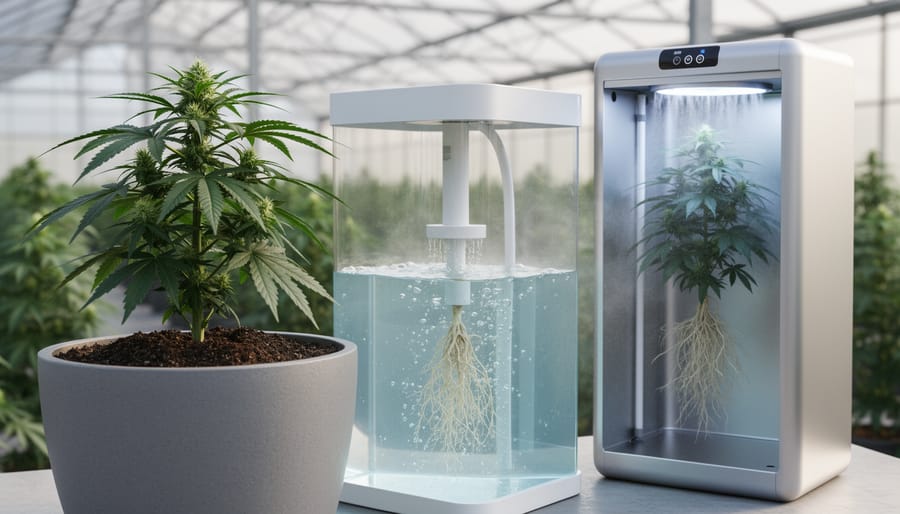
Healthy cannabis plants shown in three growing environments: soil pot, hydroponic reservoir system, and aeroponic mist chamber.

Cultivation Systems That Transform Your Cannabis Growing Success

Choosing the right cultivation system transforms your cannabis growing experience, whether you’re setting up your first home garden or scaling a commercial operation. The method you select influences everything from your daily maintenance routine to your final harvest quality, and understanding these systems empowers you to make informed decisions that align with your goals, budget, and values.

Cannabis cultivation systems fall into three main categories: traditional soil-based growing, hydroponics (water-based cultivation), and aeroponics (mist-based root feeding). Each approach offers distinct advantages. Soil systems provide natural buffering and forgiveness for beginners, making them ideal for first-time growers who want straightforward care routines. Hydroponic setups deliver faster growth rates and higher yields by feeding nutrients directly to roots, though they require more monitoring and technical knowledge. Aeroponic systems maximize oxygen exposure and resource efficiency but demand precise control and higher upfront investment.

Your choice depends on practical factors: available space, time commitment, experience level, and environmental priorities. A small apartment grower might thrive with a compact hydroponic setup, while someone with outdoor space and sustainability goals may prefer organic soil cultivation that builds living ecosystems. Latest cannabis research continues to refine these methods, offering growers evidence-based insights into optimizing each system’s performance.

This guide breaks down each cultivation system’s requirements, benefits, and challenges. You’ll learn how to match systems to your specific situation and discover sustainable practices that reduce environmental impact while producing quality cannabis. Growing your own puts control in your hands, and understanding cultivation systems is your foundation for success.

What Are Cannabis Cultivation Systems?

Cannabis cultivation systems are integrated approaches that combine growing media, nutrient delivery, environmental controls, and support structures into a cohesive framework for producing healthy plants. Unlike simply planting seeds in dirt and hoping for the best, a cultivation system is a deliberately designed method that addresses all the biological and environmental factors your plants need throughout their lifecycle.

Think of it as the difference between cooking a meal with random ingredients versus following a recipe that coordinates timing, temperatures, and techniques. A cultivation system coordinates elements like water delivery, nutrient availability, root oxygenation, and climate control so they work together efficiently.

At its core, every cultivation system includes several key components: a growing medium (whether soil, water, or air), a method for delivering nutrients to plant roots, an irrigation or watering approach, environmental controls for temperature and humidity, and adequate lighting. How these elements integrate determines whether you’re working with a soil-based, hydroponic, or aeroponic system.

Understanding cultivation systems matters because choosing the wrong approach for your situation can mean wasted time, money, and disappointing harvests. A home grower in a small apartment needs something completely different from a commercial operation running thousands of plants. According to 2024 industry insights growers who match their system to their specific constraints and goals see better yields with fewer complications.

The system you select shapes your daily workload, water and energy consumption, startup costs, and the learning curve you’ll face. Some systems demand constant monitoring and technical knowledge, while others are forgiving and intuitive for beginners. By understanding what makes a cultivation system complete, you can evaluate options based on what truly matters for your growing environment, budget, and experience level rather than following trends that might not fit your situation.

Soil-Based Cultivation Systems

Organic Living Soil Systems

Organic living soil systems represent a holistic approach to cannabis cultivation that mimics natural ecosystems. Rather than treating soil as an inert growing medium, this method nurtures a thriving community of microorganisms, bacteria, fungi, protozoa, and beneficial nematodes, that work together to break down organic matter and make nutrients available to plants. You build the soil food web once, then maintain it through minimal inputs like compost teas, worm castings, and cover crops, creating a self-sustaining cycle that feeds your cannabis plants naturally.

The environmental advantages are substantial. Living soil systems eliminate synthetic fertilizer runoff, reduce water consumption through improved soil structure, and sequester carbon in the organic matter. You avoid the waste streams associated with bottled nutrients, and your soil actually improves over time rather than depleting. Many growers reuse the same soil across multiple harvests by simply top-dressing with compost and amendments, drastically cutting costs and environmental impact.

These systems are gaining traction because they deliver complex terpene profiles and robust plant health without the precision required by hydroponic setups. The diverse microbial activity produces secondary metabolites that enhance flavor and potency, qualities increasingly valued in premium cannabis markets. Living soil also buffers pH naturally and provides resilience against disease, making it forgiving for growers who want sustainable results without constant monitoring. The approach aligns perfectly with regenerative agriculture principles and the broader movement toward chemical-free, terroir-driven cultivation.

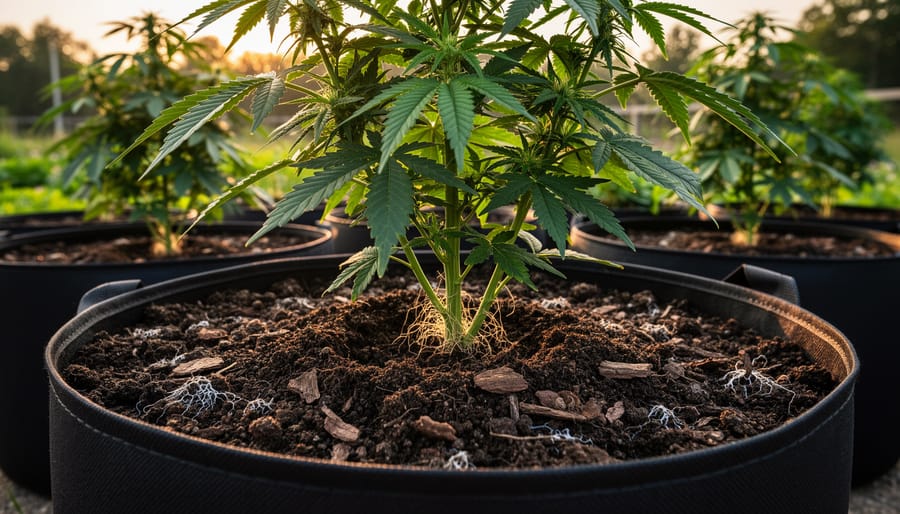
Healthy cannabis plant growing in dark living soil with visible organic texture near the base
Healthy cannabis growth in nutrient-rich living soil highlights how soil biology supports strong plants.

Container and Pot-Based Systems

Container and pot-based systems give growers flexibility and control that in-ground planting can’t match. You can move plants to optimize light exposure, isolate problems before they spread, and adjust your layout as needs change throughout the growing season.

Pot size directly affects root development and plant health. A three-gallon container suits smaller plants and limited spaces, while five to seven gallons work well for medium-sized plants. Larger operations often use ten to twenty-gallon containers for full-term grows, allowing robust root systems that support bigger yields.

Fabric pots have become popular in modern cultivation systems because they promote air pruning, roots naturally stop growing when they hit the breathable material, preventing the circling pattern that happens in plastic. This creates a denser, healthier root structure. Smart Pots and similar brands also improve drainage and temperature regulation.

Plastic containers cost less and retain moisture longer, making them practical for growers who can’t water daily. However, they require careful drainage hole placement to prevent waterlogging.

Mobility matters more than many realize. Place containers on wheeled platforms or use lightweight materials if you need to rotate plants, access walls, or respond to environmental changes. Vertical spacing with shelving or tiered platforms maximizes limited growing areas without compromising plant access.

Hydroponic Cultivation Systems

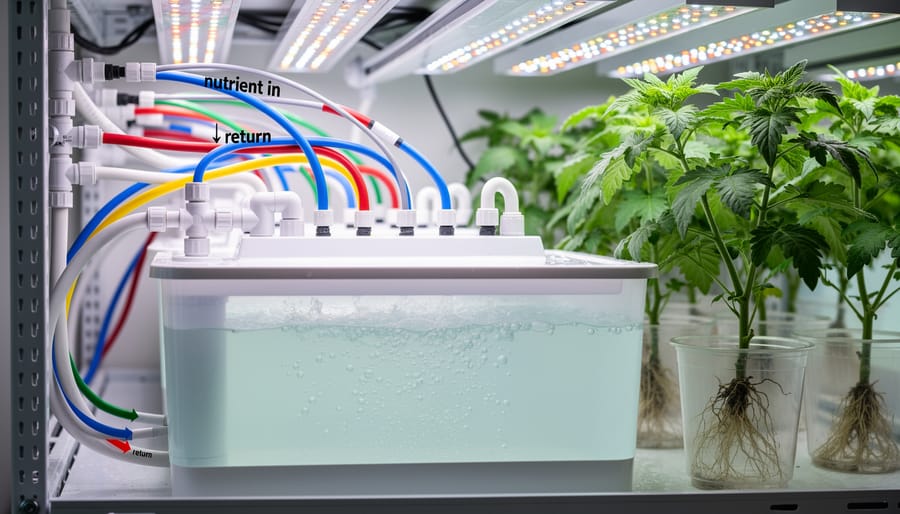
Hydroponic cannabis seedlings with clear nutrient reservoir tanks and connected tubes in a clean grow area
A clean hydroponic reservoir and tubing arrangement illustrates how water-based systems deliver nutrients efficiently.

Deep Water Culture (DWC)

Deep Water Culture suspends plant roots directly in an oxygenated nutrient solution, creating an environment where cannabis can access water and nutrients 24/7. The setup is straightforward: net pots hold plants above a reservoir while roots dangle into the solution below. An air pump with diffuser stones maintains constant oxygen levels in the water, preventing root rot and enabling the explosive growth DWC is known for.

The benefits center on speed and simplicity. Cannabis plants in DWC often grow 20-30% faster than soil counterparts because roots don’t need to search for nutrients, everything they need surrounds them constantly. The system uses fewer components than many other hydroponic approaches, making troubleshooting easier.

Maintenance requires daily pH monitoring and weekly nutrient solution changes. Water temperature matters significantly; keep it between 65-68°F to maximize dissolved oxygen and prevent pathogens. Top off the reservoir as water levels drop, but don’t just add nutrients, plants uptake water faster than nutrients, so you’ll create imbalances without regular full changes.

The main challenge is vulnerability to power outages. Without the air pump running, roots suffocate within hours. Battery backups solve this risk inexpensively. DWC also amplifies mistakes, nutrient or pH errors affect plants faster than in buffered soil systems, making it better suited for growers who can check their systems daily.

Nutrient Film Technique (NFT)

NFT stands out among hydroponic cultivation systems for its elegant simplicity and resource efficiency. Nutrient film technique systems suspend plants above a sloped channel where a thin film of nutrient solution flows continuously past the roots. Unlike deep water culture, roots remain mostly exposed to air while the flowing film delivers nutrients and moisture.

This design creates exceptional oxygen availability, promoting faster growth and higher yields than many traditional methods. The continuous circulation requires less water than soil cultivation, and growers can adjust nutrients instantly across the entire system. Commercial operations favor NFT because it scales efficiently, multiple channels can run from a single reservoir, maximizing production per square foot.

The system does demand attention. Any pump failure stops nutrient flow immediately, and roots dry out faster than in water-filled systems. Temperature control matters more here since the shallow film warms quickly under grow lights. Cannabis plants thrive in NFT during vegetative growth, though some growers switch to more stable systems during flowering when plants grow heavier and need stronger support.

NFT rewards growers who can monitor their system regularly and respond quickly to changes, making it better suited to those with some hydroponic experience rather than complete beginners.

Ebb and Flow Systems

Ebb and flow systems, also called flood-and-drain systems, operate on an elegantly simple principle: periodically flooding the grow tray with nutrient solution before draining it back into a reservoir. A submersible pump on a timer controls the cycles, typically flooding for 15-30 minutes several times daily depending on your plants’ size and growing medium. Between floods, roots access oxygen as the medium drains, combining the benefits of both hydroponic feeding and air exposure.

This versatility makes ebb and flow systems adaptable to various growing media, from clay pellets to rockwool cubes, and they scale easily from small home setups to larger operations. The intermittent flooding means you can use a single pump and reservoir to service multiple trays, making them cost-effective compared to constantly-running systems.

The main appeal lies in their forgiving nature. Unlike deep water culture where pump failure means immediate oxygen deprivation, your plants have time to recover if a cycle is missed. They’re also less prone to clogging than drip systems because the larger flood action flushes debris naturally. Maintenance involves cleaning the reservoir every two weeks and ensuring drain fittings stay clear, straightforward tasks that don’t require constant monitoring.

Drip Irrigation Systems

Drip irrigation stands out among cultivation systems for its exceptional flexibility and control. These systems deliver nutrient solution directly to the root zone through small emitters or tubing, whether you’re growing in soil, coco coir, or purely hydroponic media. The precision targeting minimizes waste while ensuring each plant receives exactly what it needs.

What makes drip systems particularly valuable is their scalability. A small home grower can start with a simple gravity-fed drip setup for a few plants, while commercial operations can automate hundreds of plants with programmable controllers that adjust feeding schedules based on growth stages. You control the flow rate, frequency, and duration of each feeding, allowing you to fine-tune nutrition delivery as your plants develop.

The versatility extends to various cultivation environments. In soil-based systems, drip irrigation conserves water and prevents runoff better than traditional watering methods. In hydroponic setups, drip emitters can feed plants in individual containers filled with inert media like perlite or clay pellets. Many growers appreciate how drip systems reduce labor time while improving consistency, especially when managing multiple plants with different nutritional needs. The initial investment in timers, tubing, and emitters pays off through reduced water usage and the ability to automate feeding routines that would otherwise demand daily attention.

Aeroponic Cultivation Systems

Aeroponic systems represent the most technologically advanced approach to cannabis cultivation, suspending plant roots in air and delivering nutrients through a fine mist. Unlike hydroponic setups where roots sit in water, aeroponics exposes the entire root system to oxygen-rich air while precisely misting it with nutrient solution at timed intervals. This maximum oxygen exposure accelerates nutrient uptake and promotes explosive root development, often producing growth rates 30-50% faster than traditional methods.

The primary advantage of aeroponic cultivation systems lies in their efficiency. Plants receive exactly what they need, when they need it, with minimal waste. Root systems develop more extensively without the resistance of soil or standing water, creating bushier, healthier networks that support vigorous above-ground growth. Water consumption drops significantly compared to other methods since the misting system uses only what plants can absorb.

However, aeroponics demands more technical expertise and investment than simpler cultivation systems. You’ll need reliable misting nozzles, high-quality pumps, backup power systems, and precise timers. System failures can devastate crops quickly since exposed roots dry out within hours without proper misting. Temperature and humidity control become critical, as the exposed root chamber requires specific conditions to prevent stress or pathogen growth.

Success with aeroponics requires attention to detail and commitment to monitoring. Many commercial operations and experienced home growers embrace these systems for their superior yields and quality, applying grower takeaways from recent industry research to optimize their results. The initial learning curve and equipment costs pay off through faster harvests, reduced resource consumption, and exceptional plant health when properly maintained.

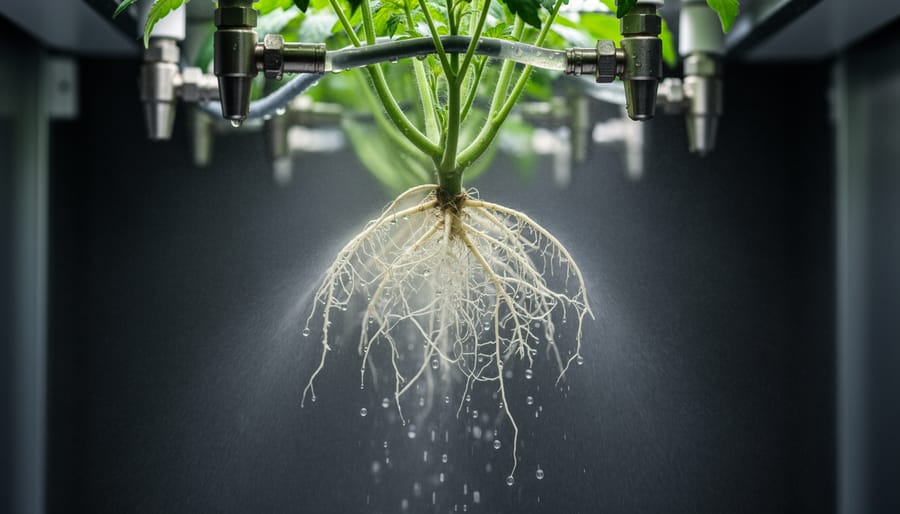
Close-up of cannabis roots suspended in aeroponic misting chamber
Aeroponic misting near the roots emphasizes oxygen-rich growing conditions used for rapid, vigorous development.

Choosing the Right Cultivation System for Your Needs

Selecting the right cannabis cultivation system starts with an honest assessment of where you are now and what you’re trying to achieve. The perfect system for a weekend hobbyist growing two plants differs dramatically from what works for someone planning a dedicated grow room or small commercial operation.

Your experience level matters more than you might think. Complete beginners often succeed with soil-based container systems because they’re forgiving, soil acts as a buffer against nutrient mistakes and pH swings. If you’ve grown other plants successfully, you might feel comfortable jumping into basic hydroponic systems like deep water culture. Advanced growers with technical confidence can explore aeroponic systems or complex hydroponic setups that demand precise monitoring and quick responses to problems.

Space constraints shape your options significantly. Limited space, a closet or small tent, works well with vertical hydroponic systems or compact container setups. Outdoor growers with room to spread can take advantage of raised bed living soil systems that build fertility over time. Consider not just floor space but also vertical height, as some systems need clearance for reservoirs, pumps, and plant height.

Budget considerations extend beyond initial setup costs. A basic soil container system might cost $100 to start, while a full hydroponic setup with environmental controls can run $1,000 or more. Factor in ongoing expenses: nutrients, electricity for pumps and lighting, water, growing medium replacement, and system maintenance. Soil systems typically have lower recurring costs but may produce smaller yields than optimized hydroponic setups.

System Type Skill Level Initial Cost Maintenance Best Suited For
Soil Containers Beginner Low ($50-200) Low-Medium First-time growers, limited budgets
Deep Water Culture Intermediate Medium ($200-500) Medium Faster growth, small spaces
Living Soil Systems Intermediate Medium ($300-600) Low Sustainability focus, organic growing
NFT/Drip Systems Advanced High ($500-1,500) Medium-High Scaling up, commercial operations
Aeroponics Advanced High ($800-2,000+) High Maximum yields, technical expertise

Time commitment varies widely across cultivation systems. Soil systems need watering every few days and occasional feeding, maybe 30 minutes weekly. Hydroponic systems require daily monitoring of pH and nutrient levels, reservoir changes every one to two weeks, and pump maintenance, plan on an hour or more weekly. Automated systems reduce hands-on time but demand technical troubleshooting skills when problems arise.

Your sustainability priorities influence system selection too. Living soil and organic systems minimize synthetic inputs and support regenerative practices. Water-efficient drip systems or recirculating hydroponics reduce consumption in drought-prone areas. Solar-powered environmental controls cut energy use in any setup.

Start with a system that matches your current abilities and resources rather than stretching too far. You can always expand or upgrade as you gain confidence and knowledge. The cultivation system that keeps you engaged and learning will serve you better than the theoretically optimal setup you can’t maintain consistently.

Environmental Control Within Cultivation Systems

Environmental control separates successful grows from failed ones, regardless of which cultivation system you choose. Your plants need consistent temperature, proper light, adequate humidity, and steady airflow to thrive, and the level of control required varies dramatically between systems.

Temperature management in cultivation systems starts with understanding your baseline. Soil-based systems buffer temperature fluctuations naturally through thermal mass, giving you more forgiveness if your climate control drops offline for a few hours. Hydroponic and aeroponic systems respond faster to temperature changes, particularly in the root zone where water temperatures above 72°F invite root rot and pathogen growth. Basic growers manage this with portable AC units and exhaust fans. Advanced setups in 2026 use integrated climate controllers that adjust cooling, heating, and humidity simultaneously based on plant stage and real-time sensor data.

Lighting integration depends on your system’s scale and energy budget. LED technology has matured to where you can match spectrum output to growth phase while using 40% less energy than older HPS systems. Container and raised bed cultivation systems benefit from adjustable light height as plants grow. Hydroponic systems often incorporate fixed lighting arrays since plant height stays more consistent. Smart lighting controllers now dim automatically based on ambient light, stretch your photoperiod gradually, and even simulate sunrise-sunset transitions that reduce plant stress.

Humidity control becomes critical in dense canopy situations. Soil systems naturally release moisture through evaporation, requiring dehumidification in flower stages to prevent mold. Hydroponic systems generate humidity from nutrient solution evaporation and transpiration. Basic control uses standalone dehumidifiers; advanced systems integrate humidity sensors with HVAC equipment that maintains precise vapor pressure deficit targets.

Airflow ties everything together. Oscillating fans provide basic circulation in small grows. Larger cultivation systems need calculated air exchanges per hour, typically 1-3 minutes for complete room turnover, using inline fans with variable speed controllers. Aeroponic systems demand the most precise airflow since exposed roots dry quickly without proper air movement and humidity balance.

Indoor cannabis grow room with LED lights, ventilation fan, and nearby environmental control equipment
Controlled light, airflow, and humidity management help cultivation systems stay stable for healthy cannabis growth.

Sustainability Considerations in Cultivation Systems

Sustainability isn’t just an ethical choice in cannabis cultivation, it directly impacts your operational costs and product quality. Water usage stands out as a critical factor: hydroponic systems typically recirculate nutrients, reducing water consumption by up to 90% compared to traditional soil growing. Aeroponic systems take this further, using fine mists that minimize waste while delivering precise nutrition. Even soil-based growers can dramatically improve efficiency through drip irrigation and moisture sensors that prevent overwatering.

Energy consumption varies significantly across cultivation systems. LED technology has transformed indoor growing, cutting electricity costs while producing less heat that requires additional cooling. Living soil systems naturally reduce energy needs by eliminating synthetic nutrient production and minimizing pH adjustments. When you factor in the long-term savings from reduced utility bills, investing in energy-efficient equipment pays for itself within the first few growing cycles.

Waste reduction starts with system design. Aeroponic and hydroponic setups generate minimal growing medium waste since they’re reusable or absent entirely. Organic soil growers can compost spent soil and plant material, creating a closed-loop system that feeds the next crop. Many research-backed methods now emphasize regenerative practices that actually improve soil health over time rather than depleting it.

The financial argument for sustainable cultivation systems becomes clearer with each harvest. Lower water bills, reduced energy costs, and minimal waste disposal expenses add up quickly. More importantly, consumers increasingly seek out cannabis grown with environmental responsibility, making sustainability a competitive advantage. Whether you’re growing a few plants at home or running a commercial operation, choosing systems that minimize environmental impact protects both the planet and your bottom line for years to come.

Common Challenges and How to Overcome Them

Every cultivation system presents unique challenges, but most issues share common solutions once you understand the underlying causes. Whether you’re running a hydroponic setup, soil garden, or aeroponic system, recognizing problems early and knowing how to respond makes the difference between a struggling crop and a thriving one.

Nutrient imbalances appear differently across systems. Hydroponic systems reveal deficiencies quickly because roots access only what you provide, while soil-based systems may mask problems temporarily as organic matter buffers pH swings and provides reserve nutrients. Check pH levels first when plants show yellowing leaves, stunted growth, or burnt tips, most nutrient lockout happens when pH drifts outside the 5.8-6.5 range for hydroponics or 6.0-7.0 for soil. Keep a calibrated pH meter and adjust gradually; small corrections prevent overcorrection cycles.

Root rot threatens systems that maintain constant moisture, particularly DWC and NFT setups. Prevention beats treatment: ensure adequate dissolved oxygen through air stones or pumps, maintain water temperatures between 65-68°F, and keep reservoirs clean. If you spot brown, slimy roots with a foul smell, trim affected areas, flush the system, sterilize equipment with hydrogen peroxide, and introduce beneficial bacteria like Hydroguard to outcompete pathogens.

What should I do if my hydroponic pump fails?

Keep a backup pump on hand and check systems twice daily. If a pump fails, immediately hand-water plants with pH-balanced nutrient solution until you replace it, roots can suffer damage within hours without circulation.

How do I prevent algae growth in my cultivation system?

Block light from reaching water and moist surfaces by covering reservoirs, using opaque tubing, and maintaining clean grow spaces. Algae competes for nutrients and can harbor pests.

Why are my plants wilting even though the system seems fine?

Check root health first, overwatering in soil or insufficient oxygen in hydroponics both cause wilting. Also verify water temperature, as roots above 72°F struggle to absorb nutrients effectively.

Pest management requires system-specific approaches. Soil systems benefit from companion planting and beneficial insects, while hydroponic systems need strict sanitation since pests spread quickly in clean environments. Inspect plants during routine maintenance, introduce predatory insects like ladybugs before infestations establish, and quarantine new plants for two weeks.

System failures happen, so build redundancy into critical components. Keep spare pumps, air stones, and timers available. Install battery backups for essential equipment, and set phone alerts for temperature and humidity monitors. Most catastrophic failures occur from a single point breaking, the pump stops, the timer malfunctions, the heater fails during cold snaps. Simple redundancy and daily check-ins prevent disasters that can wipe out months of work.

Selecting your cultivation system isn’t about finding the universally “best” option, it’s about discovering what works for your space, budget, experience level, and goals. If you’re new to cannabis growing, starting with soil-based systems builds confidence and foundational knowledge before advancing to hydroponics or aeroponics. Commercial operations might prioritize efficiency and scalability, while home growers often value simplicity and sustainability.

The cultivation system you choose today doesn’t lock you in forever. Many successful growers begin with basic setups and gradually integrate more sophisticated techniques as they gain experience. What matters most is getting started, learning from each grow cycle, and applying science for better grows.

Cannabis cultivation is a skill that deepens over time. You’ll develop instincts about plant health, refine your environmental controls, and discover what resonates with your approach to growing. Educational resources and supportive communities continue expanding, giving you guidance at every stage. Your cultivation journey is uniquely yours, embrace it with curiosity and patience.

Two lab scientists analyze cannabinoid extracts with chromatography equipment, pipetting into sample vials beside a small cannabis leaf and microscope, in a softly lit modern lab with a blurred glass-walled grow room of cannabis plants behind them.

What Cannabis Research Revealed at 2024’s Biggest Industry Conferences

Cannabis science evolved dramatically in 2024, with groundbreaking research presented at major conferences reshaping how we understand this plant’s therapeutic potential, safety profile, and quality standards. These findings directly impact the products available at your local dispensary and the choices you make as a consumer.

Recent studies reveal precise dosing protocols for specific medical conditions, moving beyond the trial-and-error approach that frustrated many early cannabis users. Researchers now understand how different cannabinoid ratios affect anxiety, chronic pain, and sleep disorders, giving you clearer guidance when selecting products. Meanwhile, cultivation scientists have identified exactly which growing practices maximize beneficial compounds while minimizing contaminants, information that translates directly to product quality on dispensary shelves.

The conference presentations also addressed critical safety questions. New testing methods can detect pesticides and heavy metals at unprecedented levels, while pharmacology research clarified how cannabis interacts with common medications. For consumers, this means more transparent labeling and better-informed budtender recommendations.

Perhaps most importantly, 2024 research moved beyond THC-centric thinking. Scientists documented how minor cannabinoids like CBG, CBN, and THCV contribute unique effects, empowering you to choose products tailored to your specific wellness goals rather than simply chasing higher potency numbers.

This article translates complex scientific presentations into practical knowledge you can use immediately, whether you’re managing a health condition, exploring cannabis for the first time, or refining your product selection strategy.

Scientists examining cannabis plants in professional research laboratory
Cannabis researchers collaborate in state-of-the-art facilities to unlock new therapeutic applications and cultivation techniques.

Medical Cannabis Breakthroughs Taking Center Stage

Pain Management and Inflammation Studies

Recent conference presentations have highlighted promising developments in using cannabis for pain and inflammation management. Researchers are moving beyond the question of whether cannabis works to understanding which specific compounds and combinations deliver the best results.

A landmark study presented at this year’s conferences examined cannabinoid ratios for arthritis pain. Researchers found that a 1:1 ratio of CBD to THC provided significant relief for inflammatory joint conditions, with participants reporting reduced pain levels and improved mobility. Interestingly, higher CBD ratios (3:1 or 4:1 CBD to THC) showed particular promise for managing chronic pain without producing intoxicating effects, making them suitable for daytime use.

Delivery method research revealed important findings about effectiveness. Topical applications containing CBD and minor cannabinoids like CBG demonstrated localized anti-inflammatory benefits for arthritis when applied directly to affected joints. For systemic chronic pain, sublingual tinctures showed faster onset times compared to edibles, with effects appearing within 15-30 minutes versus 60-90 minutes.

Scientists also explored lesser-known cannabinoids for inflammation. CBG (cannabigerol) exhibited strong anti-inflammatory properties in preclinical studies, particularly when combined with CBD. THCA (the raw, non-intoxicating form of THC) showed potential for reducing inflammation without psychoactive effects.

These findings empower you to have more informed conversations with healthcare providers and dispensary staff about personalized pain management approaches. While research continues, understanding these cannabinoid ratios and delivery methods helps you make educated choices suited to your specific needs and lifestyle.

Mental Health Applications and Cautions

Recent research presented at 2024 cannabis conferences revealed promising yet complex findings regarding mental health applications. Scientists shared new data showing that specific cannabis formulations may offer relief for anxiety, PTSD, and depression when used appropriately, but they emphasized critical warnings that every consumer should understand.

Studies examining controlled cannabis use for anxiety disorders demonstrated that low-to-moderate doses of CBD-dominant products showed potential benefits for some participants. Researchers noted that the key factor was consistency in dosing and cannabinoid ratios. For PTSD treatment, preliminary findings suggested that certain terpene profiles combined with minor cannabinoids might help manage intrusive thoughts and sleep disturbances, though scientists stressed the need for further investigation.

However, conference presentations consistently highlighted significant concerns about high-THC products and mental health risks. Researchers emphasized that products containing THC levels above 20% showed increased associations with anxiety episodes, paranoia, and potential triggering of underlying mental health conditions. This research underscores why understanding product potency and starting with lower doses matters tremendously for safety.

Scientists also discussed CBG’s anti-inflammatory and antioxidant effects, which may contribute to mood regulation through different pathways than traditional cannabinoids. This emerging area of research suggests that minor cannabinoids deserve more attention in mental health applications.

The takeaway for consumers is clear: mental health applications of cannabis require careful consideration of product selection, THC content, and individual response. Researchers strongly recommend consulting healthcare providers before using cannabis for mental health concerns, particularly for anyone with a personal or family history of psychotic disorders. Education and informed decision-making remain your most powerful tools for safe, beneficial use.

The Minor Cannabinoid Revolution

CBG: The Mother Cannabinoid Gets Scientific Validation

While THC and CBD often dominate cannabis conversations, researchers are increasingly turning their attention to cannabigerol, or CBG. Often called the “mother cannabinoid” because other cannabinoids derive from its acidic form, CBG is finally receiving the scientific validation it deserves through rigorous laboratory studies and clinical investigations.

Recent conference presentations have highlighted CBG’s impressive anti-inflammatory properties. Research teams demonstrated how CBG interacts with the body’s endocannabinoid system differently than CBD or THC, potentially offering relief for inflammatory bowel disease and other chronic inflammatory conditions. These findings suggest CBG could become a valuable option for people seeking natural approaches to inflammation management.

The neuroprotective potential of CBG has also captured researchers’ attention. Studies presented at major cannabis science conferences show promising results for protecting brain cells from damage and supporting healthy neurological function. While this research is still in early stages, it opens exciting possibilities for future therapeutic applications.

Perhaps most surprisingly, CBG has demonstrated significant antibacterial properties, including effectiveness against drug-resistant bacteria strains. This discovery could have implications far beyond cannabis wellness products, potentially contributing to the global fight against antibiotic resistance.

For consumers, these developments mean CBG-focused products may become more widely available as manufacturers respond to growing scientific evidence. When exploring CBG options, look for products from transparent companies that provide third-party lab testing and clear cannabinoid profiles. This emerging cannabinoid represents an exciting frontier in cannabis science, empowering you with more choices for your wellness journey.

Extreme close-up of cannabis trichomes showing crystalline resin structures
High-magnification view reveals the complex cannabinoid and terpene-producing trichomes that researchers are studying for therapeutic benefits.

CBN and Sleep: Separating Hype from Science

Cannabinol (CBN) has been marketed as a powerful sleep aid, but recent research presented at 2024 cannabis conferences reveals a more nuanced picture. While many products tout CBN as “the sleepy cannabinoid,” scientists are urging consumers to temper their expectations.

Studies presented this year show that CBN’s sedative reputation may stem more from the presence of degraded terpenes in aged cannabis than from CBN itself. When researchers tested CBN in isolation, they found minimal sedative effects compared to placebo groups. However, when combined with other cannabinoids and terpenes—particularly myrcene and linalool—some participants reported improved sleep quality.

The challenge lies in dosing and individual variation. Research suggests that CBN may work differently for different people, with effects influenced by factors like metabolism, tolerance, and concurrent use of other substances. Most studies used doses significantly higher than what’s typically found in commercial products, raising questions about whether everyday CBN products contain enough of the cannabinoid to produce noticeable effects.

What does this mean for you? CBN products aren’t necessarily ineffective, but they’re likely not the miracle sleep solution some marketing suggests. If you’re considering CBN for sleep support, look for full-spectrum products that combine multiple cannabinoids and terpenes rather than isolated CBN. Keep realistic expectations, start with lower doses to assess your individual response, and maintain good sleep hygiene practices alongside any cannabinoid use.

Modern indoor cannabis cultivation facility with optimized lighting and environmental controls
Advanced cultivation facilities use precise environmental controls to optimize cannabinoid and terpene production based on latest research findings.

Cultivation Science: Growing Smarter and Cleaner

Environmental Controls and Cannabinoid Production

Recent studies presented at 2024 cannabis conferences reveal fascinating connections between growing conditions and the chemical profiles that determine product quality. Understanding these relationships helps explain why cannabis from different sources can vary significantly in effects and flavor.

Research shows that light spectrum plays a crucial role in cannabinoid development. Plants exposed to specific wavelengths of UV light, particularly UV-B, produce higher concentrations of THC and CBD as a protective response. The color temperature of grow lights also influences terpene production—the aromatic compounds that give cannabis its distinctive scents and contribute to effects. Blue-spectrum lighting tends to promote compact growth and higher terpene retention, while red-spectrum light can increase overall cannabinoid yields.

Temperature management proves equally important. Studies demonstrate that slightly cooler nighttime temperatures during flowering—around 68-72°F compared to 75-80°F daytime temperatures—can enhance terpene preservation and increase THC content by up to 15%. Excessive heat degrades both cannabinoids and terpenes before harvest.

Humidity control throughout the growth cycle affects final product quality too. Lower humidity levels during the final weeks of flowering encourage resin production while reducing mold risk, resulting in cleaner, more potent products.

These findings have practical implications for consumers. Products from cultivators who carefully control environmental conditions typically offer more consistent potency and richer terpene profiles. When shopping, consider asking your dispensary about growing practices—knowledgeable cultivators who invest in environmental controls generally produce superior quality cannabis with more predictable effects and better flavor profiles.

Contamination Prevention Research

Recent research presented at 2024 cannabis conferences highlights significant advances in protecting consumers from contaminants. Scientists are focusing on four primary concerns: mold, pesticide residues, heavy metals, and harmful bacteria that can compromise product safety.

New testing innovations are making contamination prevention more effective and accessible. Rapid DNA sequencing now identifies specific microbial strains in hours rather than days, allowing faster responses to potential issues. Researchers have also developed portable spectroscopy devices that detect pesticide residues without destroying product samples, making routine testing more practical for smaller producers.

Studies revealed that certain cultivation practices significantly reduce heavy metal absorption from soil, particularly through careful pH management and substrate selection. This empowers growers to prevent contamination rather than simply testing for it afterward.

For consumers, these advances translate into safer products. Dispensaries implementing comprehensive quality control standards now utilize multiple testing methods to verify product purity. When shopping, look for products with detailed lab reports showing results for all four contamination categories. Understanding these testing protocols helps you make informed choices and supports producers prioritizing your safety through rigorous quality measures.

Sustainable Practices Backed by Data

Recent studies presented at 2024 cannabis conferences highlight promising advances in environmentally responsible cultivation. Researchers have documented that regenerative agriculture techniques—including cover cropping and organic soil amendments—can increase cannabinoid yields by up to 15% while reducing synthetic fertilizer use by 40%. Water conservation studies show that precision irrigation systems combined with drought-resistant cultivars can cut water consumption by nearly 30% without compromising plant quality. Energy-efficient growing methods are also gaining traction, with LED lighting systems reducing electricity use by 50% compared to traditional high-intensity discharge lamps. These findings demonstrate that sustainable cultivation practices not only benefit the environment but can also produce higher-quality cannabis with better terpene profiles and cannabinoid content. For consumers, this means that choosing products from cultivators who prioritize these methods supports both ecological health and product excellence. As the industry matures, data-driven sustainability is becoming a marker of responsible, forward-thinking producers.

Terpenes: More Than Just Aroma

The Entourage Effect: New Evidence

For years, the entourage effect has been discussed as a theory that cannabinoids and terpenes work better together than in isolation. Recent 2024 research is transforming this concept from speculation into documented science, giving you concrete reasons to consider full-spectrum products.

New clinical studies presented at major cannabis conferences have shown that combining CBD with specific terpenes like myrcene and limonene produces measurably different effects than CBD alone. Researchers tracked patient responses and found that full-spectrum extracts often required lower doses to achieve the same therapeutic outcomes compared to isolated cannabinoids, suggesting genuine synergistic interactions.

One particularly compelling study examined pain management, comparing THC isolate to full-spectrum extracts containing the same THC levels plus naturally occurring terpenes and minor cannabinoids. Participants using full-spectrum products reported more effective relief with fewer side effects, providing real-world evidence of the entourage effect in action.

Scientists are also identifying specific terpene-cannabinoid combinations that enhance particular effects. For example, the terpene beta-caryophyllene appears to amplify CBD’s anti-inflammatory properties by activating similar receptors in your body’s endocannabinoid system.

What does this mean for you? When shopping for cannabis products, understanding that the complete plant profile matters can help you make more informed choices. Full-spectrum and broad-spectrum products may offer advantages over isolates, though individual responses vary. This emerging research empowers you to ask better questions at your dispensary about product composition and choose options aligned with your wellness goals.

Terpene-Targeted Product Development

The cannabis industry is moving beyond simply listing terpene content to strategically designing products around specific experience profiles. Cultivators now select and breed strains based on desired terpene combinations, while manufacturers blend extracts to achieve consistent effects. This approach, informed by recent research, recognizes that terpenes like myrcene, limonene, and pinene work together with cannabinoids to shape your experience.

Some companies are developing products targeting specific needs: calming evening formulations might feature linalool and myrcene, while focus-oriented products could emphasize pinene and limonene. This precision allows you to choose products based on how you want to feel, rather than relying solely on indica or sativa classifications.

Quality-focused producers are also investing in post-harvest techniques that preserve delicate terpenes, which can degrade during processing. Flash-freezing immediately after harvest and low-temperature extraction methods help maintain the full terpene profile, ensuring the final product delivers the intended experience.

As this research translates into better products, you benefit from more predictable, personalized options. Understanding terpene profiles empowers you to make informed choices that align with your wellness goals and preferences, representing a significant step forward in cannabis product development.

Safety and Dosing: What Researchers Want You to Know

Conference researchers consistently emphasized that responsible cannabis consumption begins with understanding proper dosing—especially for newcomers. Dr. Sarah Chen’s presentation at the International Cannabis Research Symposium highlighted that the golden rule remains “start low and go slow.” For edibles, this means beginning with 2.5 to 5 milligrams of THC and waiting at least two hours before considering additional consumption, as effects can take 30 minutes to two hours to manifest.

Emerging research on product safety revealed important distinctions between consumption methods. Inhalation produces effects within minutes but typically lasts 1-3 hours, while edibles create longer-lasting effects of 4-8 hours. This timing difference makes edibles particularly challenging for dose management, leading researchers to recommend them only after users understand their personal tolerance levels.

Several presenters discussed risk factors that deserve attention. People with personal or family history of psychotic disorders should consult healthcare providers before using high-THC products. Pregnant or breastfeeding individuals should avoid cannabis entirely, as research continues to examine potential developmental impacts. Mixing cannabis with alcohol or medications requires caution, as interactions can intensify effects unpredictably.

Researchers also addressed the importance of product testing and transparency. Third-party lab testing ensures accurate cannabinoid content and screens for contaminants like pesticides, heavy metals, and mold. Conference data showed significant variations between labeled and actual THC content in untested products—sometimes exceeding 50 percent discrepancy.

For those managing specific health conditions, working with knowledgeable healthcare providers familiar with cannabis therapeutics provides the safest approach. Self-experimentation should proceed methodically, keeping detailed records of products used, doses, timing, and effects experienced. This personalized data becomes invaluable for finding effective, safe consumption patterns that support your wellness goals while minimizing adverse effects.

Laboratory technician examining cannabis sample for quality and safety testing
Laboratory testing ensures cannabis products meet safety standards for contaminants, potency, and quality markers.

Testing and Quality Standards Advancing

Recent cannabis research conferences have highlighted significant advances in testing and safety standards, with scientists working to create more reliable methods for measuring what matters most to you as a consumer. These developments focus on three key areas: detecting contaminants more accurately, standardizing cannabinoid measurements across different laboratories, and establishing meaningful quality benchmarks.

Laboratory testing has evolved beyond basic potency measurements. Researchers presented new techniques for identifying pesticides, heavy metals, and microbial contaminants at lower detection levels than previously possible. This means safer products reaching dispensary shelves. Additionally, scientists are developing standardized methods to measure terpene profiles more consistently, helping you understand the aromatic compounds that contribute to each strain’s unique effects and flavor.

One exciting advancement involves creating reference materials that laboratories can use to calibrate their equipment. Think of these as universal standards that ensure a product tested in one facility will show similar results in another. This consistency helps you make more informed comparisons between products and brands.

Tip: When purchasing cannabis, ask your budtender for the most recent Certificate of Analysis (COA), which should show cannabinoid percentages, terpene profiles, and confirmation that the product passed contaminant screening.

Quality metrics now extend beyond just THC and CBD percentages. Researchers emphasize that total cannabinoid content, terpene diversity, and absence of contaminants provide a more complete picture of product quality. Some studies presented at recent conferences suggest that consumers should look for products with detailed terpene information, as these compounds work together with cannabinoids to create your experience. This research empowers you to move beyond choosing products based solely on THC levels and instead consider the full chemical profile that determines quality and effects.

The research presented at 2024 cannabis conferences demonstrates a clear path forward for consumers seeking quality, safety, and effectiveness in their cannabis products. These scientific advances aren’t just academic—they translate directly into tangible benefits that improve your cannabis experience and overall well-being.

As cultivation techniques become more refined and standardized, you can expect products with more consistent effects and potency. The emphasis on cannabis product safety means better testing protocols and cleaner products free from contaminants. Emerging cannabinoid research opens doors to new therapeutic possibilities, while enhanced terpene understanding allows for more targeted product selection based on your specific needs.

The key takeaway is simple: staying informed empowers you to make better choices. As research continues to evolve, the cannabis landscape will only become more sophisticated and consumer-friendly. Take advantage of this progress by seeking products from companies that prioritize rigorous testing, transparent labeling, and science-backed cultivation practices. Don’t hesitate to ask questions at your dispensary about testing results, growing methods, and cannabinoid profiles.

The future of cannabis is bright, driven by dedicated researchers, responsible cultivators, and informed consumers like you. This ongoing scientific exploration benefits the entire community—from medical patients finding relief to recreational users seeking quality experiences. By choosing education over guesswork and supporting evidence-based practices, you contribute to an industry that values your health, safety, and satisfaction above all else.