
Cultivation Systems That Transform Your Cannabis Growing Success
Choosing the right cultivation system transforms your cannabis growing experience, whether you’re setting up your first home garden or scaling a commercial operation. The method you select influences everything from your daily maintenance routine to your final harvest quality, and understanding these systems empowers you to make informed decisions that align with your goals, budget, and values.
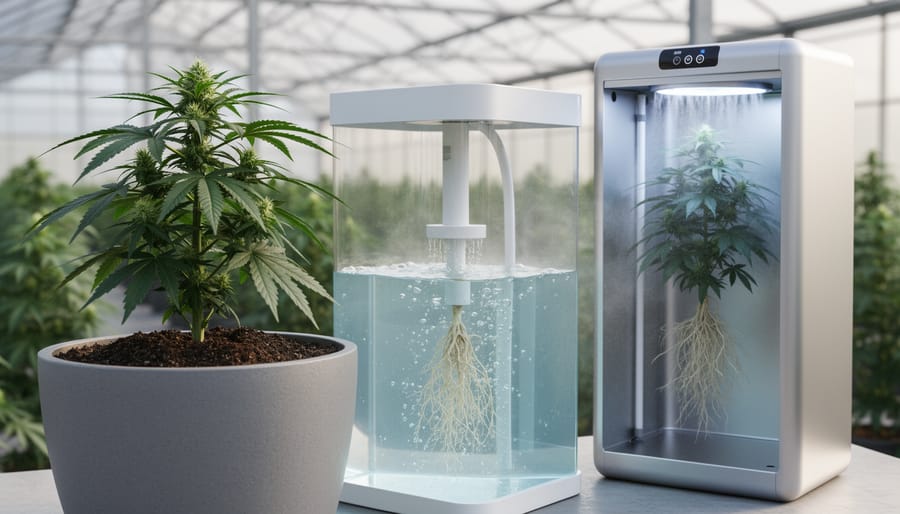
Cannabis cultivation systems fall into three main categories: traditional soil-based growing, hydroponics (water-based cultivation), and aeroponics (mist-based root feeding). Each approach offers distinct advantages. Soil systems provide natural buffering and forgiveness for beginners, making them ideal for first-time growers who want straightforward care routines. Hydroponic setups deliver faster growth rates and higher yields by feeding nutrients directly to roots, though they require more monitoring and technical knowledge. Aeroponic systems maximize oxygen exposure and resource efficiency but demand precise control and higher upfront investment.
Your choice depends on practical factors: available space, time commitment, experience level, and environmental priorities. A small apartment grower might thrive with a compact hydroponic setup, while someone with outdoor space and sustainability goals may prefer organic soil cultivation that builds living ecosystems. Latest cannabis research continues to refine these methods, offering growers evidence-based insights into optimizing each system’s performance.
This guide breaks down each cultivation system’s requirements, benefits, and challenges. You’ll learn how to match systems to your specific situation and discover sustainable practices that reduce environmental impact while producing quality cannabis. Growing your own puts control in your hands, and understanding cultivation systems is your foundation for success.
What Are Cannabis Cultivation Systems?
Cannabis cultivation systems are integrated approaches that combine growing media, nutrient delivery, environmental controls, and support structures into a cohesive framework for producing healthy plants. Unlike simply planting seeds in dirt and hoping for the best, a cultivation system is a deliberately designed method that addresses all the biological and environmental factors your plants need throughout their lifecycle.
Think of it as the difference between cooking a meal with random ingredients versus following a recipe that coordinates timing, temperatures, and techniques. A cultivation system coordinates elements like water delivery, nutrient availability, root oxygenation, and climate control so they work together efficiently.
At its core, every cultivation system includes several key components: a growing medium (whether soil, water, or air), a method for delivering nutrients to plant roots, an irrigation or watering approach, environmental controls for temperature and humidity, and adequate lighting. How these elements integrate determines whether you’re working with a soil-based, hydroponic, or aeroponic system.
Understanding cultivation systems matters because choosing the wrong approach for your situation can mean wasted time, money, and disappointing harvests. A home grower in a small apartment needs something completely different from a commercial operation running thousands of plants. According to 2024 industry insights growers who match their system to their specific constraints and goals see better yields with fewer complications.
The system you select shapes your daily workload, water and energy consumption, startup costs, and the learning curve you’ll face. Some systems demand constant monitoring and technical knowledge, while others are forgiving and intuitive for beginners. By understanding what makes a cultivation system complete, you can evaluate options based on what truly matters for your growing environment, budget, and experience level rather than following trends that might not fit your situation.
Soil-Based Cultivation Systems
Organic Living Soil Systems
Organic living soil systems represent a holistic approach to cannabis cultivation that mimics natural ecosystems. Rather than treating soil as an inert growing medium, this method nurtures a thriving community of microorganisms, bacteria, fungi, protozoa, and beneficial nematodes, that work together to break down organic matter and make nutrients available to plants. You build the soil food web once, then maintain it through minimal inputs like compost teas, worm castings, and cover crops, creating a self-sustaining cycle that feeds your cannabis plants naturally.
The environmental advantages are substantial. Living soil systems eliminate synthetic fertilizer runoff, reduce water consumption through improved soil structure, and sequester carbon in the organic matter. You avoid the waste streams associated with bottled nutrients, and your soil actually improves over time rather than depleting. Many growers reuse the same soil across multiple harvests by simply top-dressing with compost and amendments, drastically cutting costs and environmental impact.
These systems are gaining traction because they deliver complex terpene profiles and robust plant health without the precision required by hydroponic setups. The diverse microbial activity produces secondary metabolites that enhance flavor and potency, qualities increasingly valued in premium cannabis markets. Living soil also buffers pH naturally and provides resilience against disease, making it forgiving for growers who want sustainable results without constant monitoring. The approach aligns perfectly with regenerative agriculture principles and the broader movement toward chemical-free, terroir-driven cultivation.
Container and Pot-Based Systems
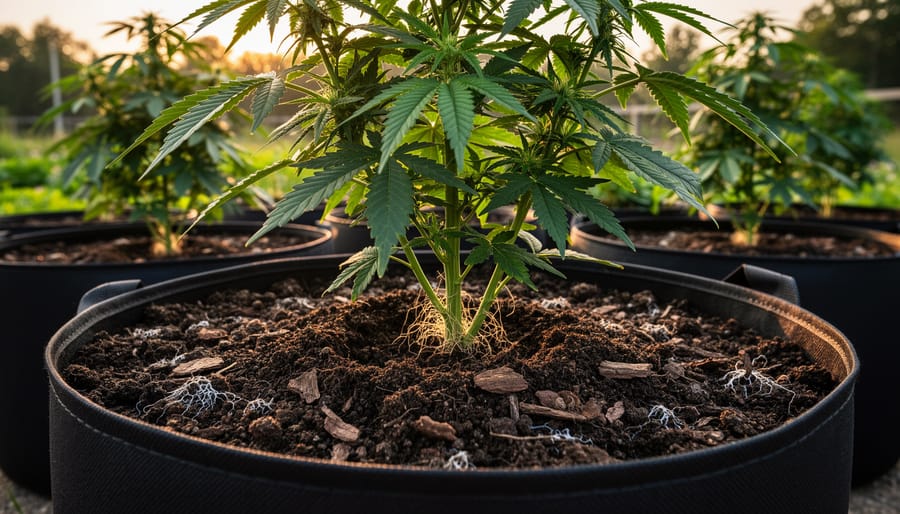
Container and pot-based systems give growers flexibility and control that in-ground planting can’t match. You can move plants to optimize light exposure, isolate problems before they spread, and adjust your layout as needs change throughout the growing season.
Pot size directly affects root development and plant health. A three-gallon container suits smaller plants and limited spaces, while five to seven gallons work well for medium-sized plants. Larger operations often use ten to twenty-gallon containers for full-term grows, allowing robust root systems that support bigger yields.
Fabric pots have become popular in modern cultivation systems because they promote air pruning, roots naturally stop growing when they hit the breathable material, preventing the circling pattern that happens in plastic. This creates a denser, healthier root structure. Smart Pots and similar brands also improve drainage and temperature regulation.
Plastic containers cost less and retain moisture longer, making them practical for growers who can’t water daily. However, they require careful drainage hole placement to prevent waterlogging.
Mobility matters more than many realize. Place containers on wheeled platforms or use lightweight materials if you need to rotate plants, access walls, or respond to environmental changes. Vertical spacing with shelving or tiered platforms maximizes limited growing areas without compromising plant access.
Hydroponic Cultivation Systems
Deep Water Culture (DWC)
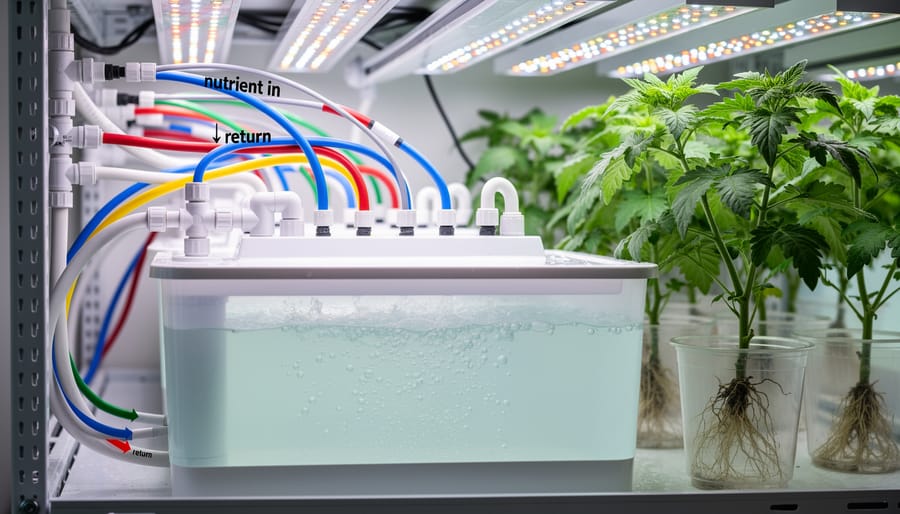
Deep Water Culture suspends plant roots directly in an oxygenated nutrient solution, creating an environment where cannabis can access water and nutrients 24/7. The setup is straightforward: net pots hold plants above a reservoir while roots dangle into the solution below. An air pump with diffuser stones maintains constant oxygen levels in the water, preventing root rot and enabling the explosive growth DWC is known for.
The benefits center on speed and simplicity. Cannabis plants in DWC often grow 20-30% faster than soil counterparts because roots don’t need to search for nutrients, everything they need surrounds them constantly. The system uses fewer components than many other hydroponic approaches, making troubleshooting easier.
Maintenance requires daily pH monitoring and weekly nutrient solution changes. Water temperature matters significantly; keep it between 65-68°F to maximize dissolved oxygen and prevent pathogens. Top off the reservoir as water levels drop, but don’t just add nutrients, plants uptake water faster than nutrients, so you’ll create imbalances without regular full changes.
The main challenge is vulnerability to power outages. Without the air pump running, roots suffocate within hours. Battery backups solve this risk inexpensively. DWC also amplifies mistakes, nutrient or pH errors affect plants faster than in buffered soil systems, making it better suited for growers who can check their systems daily.
Nutrient Film Technique (NFT)
NFT stands out among hydroponic cultivation systems for its elegant simplicity and resource efficiency. Nutrient film technique systems suspend plants above a sloped channel where a thin film of nutrient solution flows continuously past the roots. Unlike deep water culture, roots remain mostly exposed to air while the flowing film delivers nutrients and moisture.
This design creates exceptional oxygen availability, promoting faster growth and higher yields than many traditional methods. The continuous circulation requires less water than soil cultivation, and growers can adjust nutrients instantly across the entire system. Commercial operations favor NFT because it scales efficiently, multiple channels can run from a single reservoir, maximizing production per square foot.
The system does demand attention. Any pump failure stops nutrient flow immediately, and roots dry out faster than in water-filled systems. Temperature control matters more here since the shallow film warms quickly under grow lights. Cannabis plants thrive in NFT during vegetative growth, though some growers switch to more stable systems during flowering when plants grow heavier and need stronger support.
NFT rewards growers who can monitor their system regularly and respond quickly to changes, making it better suited to those with some hydroponic experience rather than complete beginners.
Ebb and Flow Systems
Ebb and flow systems, also called flood-and-drain systems, operate on an elegantly simple principle: periodically flooding the grow tray with nutrient solution before draining it back into a reservoir. A submersible pump on a timer controls the cycles, typically flooding for 15-30 minutes several times daily depending on your plants’ size and growing medium. Between floods, roots access oxygen as the medium drains, combining the benefits of both hydroponic feeding and air exposure.
This versatility makes ebb and flow systems adaptable to various growing media, from clay pellets to rockwool cubes, and they scale easily from small home setups to larger operations. The intermittent flooding means you can use a single pump and reservoir to service multiple trays, making them cost-effective compared to constantly-running systems.
The main appeal lies in their forgiving nature. Unlike deep water culture where pump failure means immediate oxygen deprivation, your plants have time to recover if a cycle is missed. They’re also less prone to clogging than drip systems because the larger flood action flushes debris naturally. Maintenance involves cleaning the reservoir every two weeks and ensuring drain fittings stay clear, straightforward tasks that don’t require constant monitoring.
Drip Irrigation Systems
Drip irrigation stands out among cultivation systems for its exceptional flexibility and control. These systems deliver nutrient solution directly to the root zone through small emitters or tubing, whether you’re growing in soil, coco coir, or purely hydroponic media. The precision targeting minimizes waste while ensuring each plant receives exactly what it needs.
What makes drip systems particularly valuable is their scalability. A small home grower can start with a simple gravity-fed drip setup for a few plants, while commercial operations can automate hundreds of plants with programmable controllers that adjust feeding schedules based on growth stages. You control the flow rate, frequency, and duration of each feeding, allowing you to fine-tune nutrition delivery as your plants develop.
The versatility extends to various cultivation environments. In soil-based systems, drip irrigation conserves water and prevents runoff better than traditional watering methods. In hydroponic setups, drip emitters can feed plants in individual containers filled with inert media like perlite or clay pellets. Many growers appreciate how drip systems reduce labor time while improving consistency, especially when managing multiple plants with different nutritional needs. The initial investment in timers, tubing, and emitters pays off through reduced water usage and the ability to automate feeding routines that would otherwise demand daily attention.
Aeroponic Cultivation Systems
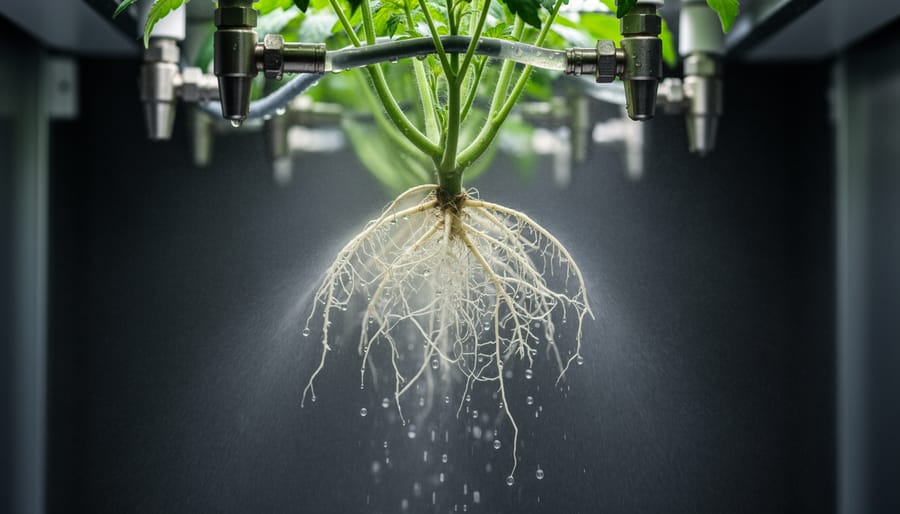
Aeroponic systems represent the most technologically advanced approach to cannabis cultivation, suspending plant roots in air and delivering nutrients through a fine mist. Unlike hydroponic setups where roots sit in water, aeroponics exposes the entire root system to oxygen-rich air while precisely misting it with nutrient solution at timed intervals. This maximum oxygen exposure accelerates nutrient uptake and promotes explosive root development, often producing growth rates 30-50% faster than traditional methods.
The primary advantage of aeroponic cultivation systems lies in their efficiency. Plants receive exactly what they need, when they need it, with minimal waste. Root systems develop more extensively without the resistance of soil or standing water, creating bushier, healthier networks that support vigorous above-ground growth. Water consumption drops significantly compared to other methods since the misting system uses only what plants can absorb.
However, aeroponics demands more technical expertise and investment than simpler cultivation systems. You’ll need reliable misting nozzles, high-quality pumps, backup power systems, and precise timers. System failures can devastate crops quickly since exposed roots dry out within hours without proper misting. Temperature and humidity control become critical, as the exposed root chamber requires specific conditions to prevent stress or pathogen growth.
Success with aeroponics requires attention to detail and commitment to monitoring. Many commercial operations and experienced home growers embrace these systems for their superior yields and quality, applying grower takeaways from recent industry research to optimize their results. The initial learning curve and equipment costs pay off through faster harvests, reduced resource consumption, and exceptional plant health when properly maintained.
Choosing the Right Cultivation System for Your Needs
Selecting the right cannabis cultivation system starts with an honest assessment of where you are now and what you’re trying to achieve. The perfect system for a weekend hobbyist growing two plants differs dramatically from what works for someone planning a dedicated grow room or small commercial operation.
Your experience level matters more than you might think. Complete beginners often succeed with soil-based container systems because they’re forgiving, soil acts as a buffer against nutrient mistakes and pH swings. If you’ve grown other plants successfully, you might feel comfortable jumping into basic hydroponic systems like deep water culture. Advanced growers with technical confidence can explore aeroponic systems or complex hydroponic setups that demand precise monitoring and quick responses to problems.
Space constraints shape your options significantly. Limited space, a closet or small tent, works well with vertical hydroponic systems or compact container setups. Outdoor growers with room to spread can take advantage of raised bed living soil systems that build fertility over time. Consider not just floor space but also vertical height, as some systems need clearance for reservoirs, pumps, and plant height.
Budget considerations extend beyond initial setup costs. A basic soil container system might cost $100 to start, while a full hydroponic setup with environmental controls can run $1,000 or more. Factor in ongoing expenses: nutrients, electricity for pumps and lighting, water, growing medium replacement, and system maintenance. Soil systems typically have lower recurring costs but may produce smaller yields than optimized hydroponic setups.
| System Type | Skill Level | Initial Cost | Maintenance | Best Suited For |
|---|---|---|---|---|
| Soil Containers | Beginner | Low ($50-200) | Low-Medium | First-time growers, limited budgets |
| Deep Water Culture | Intermediate | Medium ($200-500) | Medium | Faster growth, small spaces |
| Living Soil Systems | Intermediate | Medium ($300-600) | Low | Sustainability focus, organic growing |
| NFT/Drip Systems | Advanced | High ($500-1,500) | Medium-High | Scaling up, commercial operations |
| Aeroponics | Advanced | High ($800-2,000+) | High | Maximum yields, technical expertise |
Time commitment varies widely across cultivation systems. Soil systems need watering every few days and occasional feeding, maybe 30 minutes weekly. Hydroponic systems require daily monitoring of pH and nutrient levels, reservoir changes every one to two weeks, and pump maintenance, plan on an hour or more weekly. Automated systems reduce hands-on time but demand technical troubleshooting skills when problems arise.
Your sustainability priorities influence system selection too. Living soil and organic systems minimize synthetic inputs and support regenerative practices. Water-efficient drip systems or recirculating hydroponics reduce consumption in drought-prone areas. Solar-powered environmental controls cut energy use in any setup.
Start with a system that matches your current abilities and resources rather than stretching too far. You can always expand or upgrade as you gain confidence and knowledge. The cultivation system that keeps you engaged and learning will serve you better than the theoretically optimal setup you can’t maintain consistently.
Environmental Control Within Cultivation Systems
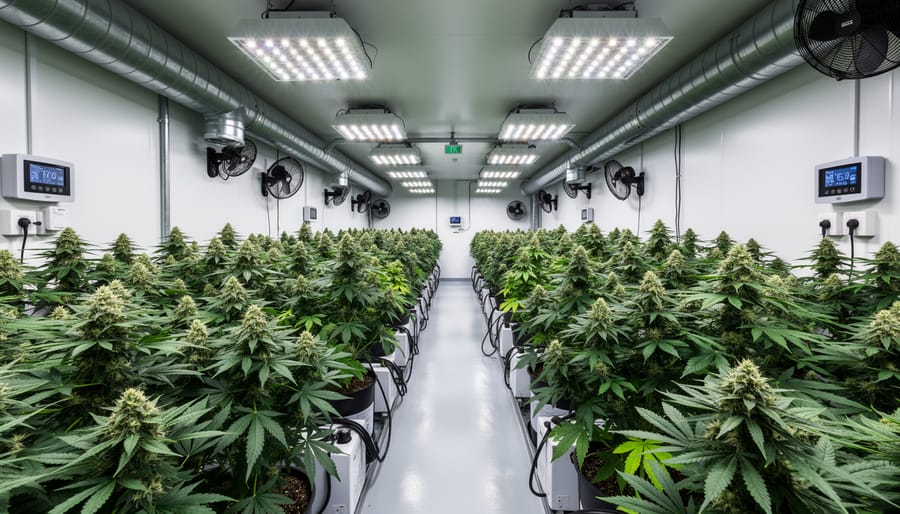
Environmental control separates successful grows from failed ones, regardless of which cultivation system you choose. Your plants need consistent temperature, proper light, adequate humidity, and steady airflow to thrive, and the level of control required varies dramatically between systems.
Temperature management in cultivation systems starts with understanding your baseline. Soil-based systems buffer temperature fluctuations naturally through thermal mass, giving you more forgiveness if your climate control drops offline for a few hours. Hydroponic and aeroponic systems respond faster to temperature changes, particularly in the root zone where water temperatures above 72°F invite root rot and pathogen growth. Basic growers manage this with portable AC units and exhaust fans. Advanced setups in 2026 use integrated climate controllers that adjust cooling, heating, and humidity simultaneously based on plant stage and real-time sensor data.
Lighting integration depends on your system’s scale and energy budget. LED technology has matured to where you can match spectrum output to growth phase while using 40% less energy than older HPS systems. Container and raised bed cultivation systems benefit from adjustable light height as plants grow. Hydroponic systems often incorporate fixed lighting arrays since plant height stays more consistent. Smart lighting controllers now dim automatically based on ambient light, stretch your photoperiod gradually, and even simulate sunrise-sunset transitions that reduce plant stress.
Humidity control becomes critical in dense canopy situations. Soil systems naturally release moisture through evaporation, requiring dehumidification in flower stages to prevent mold. Hydroponic systems generate humidity from nutrient solution evaporation and transpiration. Basic control uses standalone dehumidifiers; advanced systems integrate humidity sensors with HVAC equipment that maintains precise vapor pressure deficit targets.
Airflow ties everything together. Oscillating fans provide basic circulation in small grows. Larger cultivation systems need calculated air exchanges per hour, typically 1-3 minutes for complete room turnover, using inline fans with variable speed controllers. Aeroponic systems demand the most precise airflow since exposed roots dry quickly without proper air movement and humidity balance.
Sustainability Considerations in Cultivation Systems
Sustainability isn’t just an ethical choice in cannabis cultivation, it directly impacts your operational costs and product quality. Water usage stands out as a critical factor: hydroponic systems typically recirculate nutrients, reducing water consumption by up to 90% compared to traditional soil growing. Aeroponic systems take this further, using fine mists that minimize waste while delivering precise nutrition. Even soil-based growers can dramatically improve efficiency through drip irrigation and moisture sensors that prevent overwatering.
Energy consumption varies significantly across cultivation systems. LED technology has transformed indoor growing, cutting electricity costs while producing less heat that requires additional cooling. Living soil systems naturally reduce energy needs by eliminating synthetic nutrient production and minimizing pH adjustments. When you factor in the long-term savings from reduced utility bills, investing in energy-efficient equipment pays for itself within the first few growing cycles.
Waste reduction starts with system design. Aeroponic and hydroponic setups generate minimal growing medium waste since they’re reusable or absent entirely. Organic soil growers can compost spent soil and plant material, creating a closed-loop system that feeds the next crop. Many research-backed methods now emphasize regenerative practices that actually improve soil health over time rather than depleting it.
The financial argument for sustainable cultivation systems becomes clearer with each harvest. Lower water bills, reduced energy costs, and minimal waste disposal expenses add up quickly. More importantly, consumers increasingly seek out cannabis grown with environmental responsibility, making sustainability a competitive advantage. Whether you’re growing a few plants at home or running a commercial operation, choosing systems that minimize environmental impact protects both the planet and your bottom line for years to come.
Common Challenges and How to Overcome Them
Every cultivation system presents unique challenges, but most issues share common solutions once you understand the underlying causes. Whether you’re running a hydroponic setup, soil garden, or aeroponic system, recognizing problems early and knowing how to respond makes the difference between a struggling crop and a thriving one.
Nutrient imbalances appear differently across systems. Hydroponic systems reveal deficiencies quickly because roots access only what you provide, while soil-based systems may mask problems temporarily as organic matter buffers pH swings and provides reserve nutrients. Check pH levels first when plants show yellowing leaves, stunted growth, or burnt tips, most nutrient lockout happens when pH drifts outside the 5.8-6.5 range for hydroponics or 6.0-7.0 for soil. Keep a calibrated pH meter and adjust gradually; small corrections prevent overcorrection cycles.
Root rot threatens systems that maintain constant moisture, particularly DWC and NFT setups. Prevention beats treatment: ensure adequate dissolved oxygen through air stones or pumps, maintain water temperatures between 65-68°F, and keep reservoirs clean. If you spot brown, slimy roots with a foul smell, trim affected areas, flush the system, sterilize equipment with hydrogen peroxide, and introduce beneficial bacteria like Hydroguard to outcompete pathogens.
What should I do if my hydroponic pump fails?
Keep a backup pump on hand and check systems twice daily. If a pump fails, immediately hand-water plants with pH-balanced nutrient solution until you replace it, roots can suffer damage within hours without circulation.
How do I prevent algae growth in my cultivation system?
Block light from reaching water and moist surfaces by covering reservoirs, using opaque tubing, and maintaining clean grow spaces. Algae competes for nutrients and can harbor pests.
Why are my plants wilting even though the system seems fine?
Check root health first, overwatering in soil or insufficient oxygen in hydroponics both cause wilting. Also verify water temperature, as roots above 72°F struggle to absorb nutrients effectively.
Pest management requires system-specific approaches. Soil systems benefit from companion planting and beneficial insects, while hydroponic systems need strict sanitation since pests spread quickly in clean environments. Inspect plants during routine maintenance, introduce predatory insects like ladybugs before infestations establish, and quarantine new plants for two weeks.
System failures happen, so build redundancy into critical components. Keep spare pumps, air stones, and timers available. Install battery backups for essential equipment, and set phone alerts for temperature and humidity monitors. Most catastrophic failures occur from a single point breaking, the pump stops, the timer malfunctions, the heater fails during cold snaps. Simple redundancy and daily check-ins prevent disasters that can wipe out months of work.
Selecting your cultivation system isn’t about finding the universally “best” option, it’s about discovering what works for your space, budget, experience level, and goals. If you’re new to cannabis growing, starting with soil-based systems builds confidence and foundational knowledge before advancing to hydroponics or aeroponics. Commercial operations might prioritize efficiency and scalability, while home growers often value simplicity and sustainability.
The cultivation system you choose today doesn’t lock you in forever. Many successful growers begin with basic setups and gradually integrate more sophisticated techniques as they gain experience. What matters most is getting started, learning from each grow cycle, and applying science for better grows.
Cannabis cultivation is a skill that deepens over time. You’ll develop instincts about plant health, refine your environmental controls, and discover what resonates with your approach to growing. Educational resources and supportive communities continue expanding, giving you guidance at every stage. Your cultivation journey is uniquely yours, embrace it with curiosity and patience.