
What Makes a Cannabis Company Trustworthy in 2026
A trustworthy cannabis company prioritizes rigorous third-party lab testing, transparent sourcing practices, and consistent product quality backed by clear documentation. In 2026, as the cannabis industry matures, consumers have more choices than ever, but not all providers meet the same standards. The companies that earn your confidence share specific traits: they publish full cannabinoid and contaminant test results, trace their products from seed to sale, employ knowledgeable staff who educate rather than just sell, and operate with genuine trust and transparency in every customer interaction.
Building that trust starts with understanding what separates reputable businesses from those cutting corners. Reliable cannabis providers invest in sustainable cultivation methods, maintain proper licensing and compliance records, and stand behind their products with clear return policies and responsive customer service. They don’t hide behind vague marketing language or make exaggerated health claims. Instead, they provide the information you need to make informed decisions about dosage, consumption methods, and product selection based on your individual goals.
This article equips you with practical criteria to evaluate any cannabis company, whether you’re a first-time buyer or an experienced consumer seeking a new trusted source. You’ll learn to recognize red flags, ask the right questions, and distinguish between genuine quality commitments and empty promises. The cannabis market rewards informed consumers, and knowing what to look for transforms shopping from guesswork into confident decision-making.
The Foundations of Cannabis Company Trustworthiness
Third-Party Lab Testing and Verification
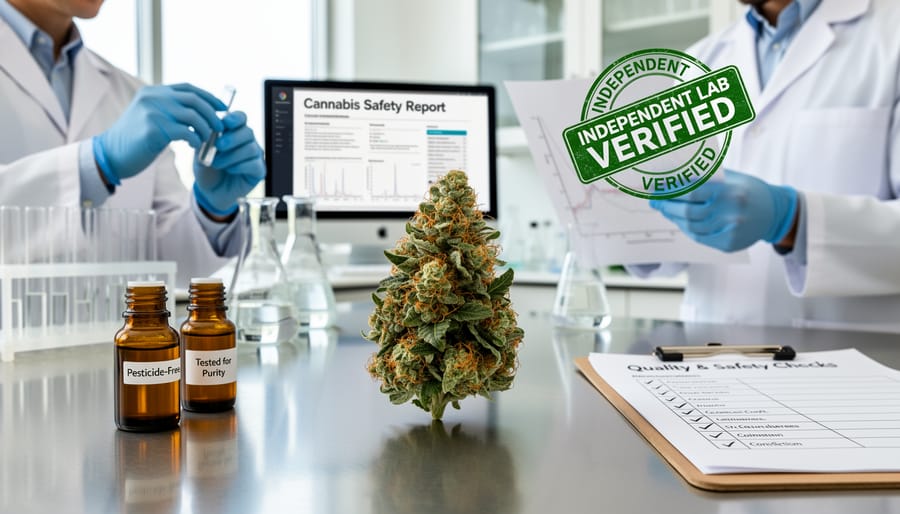
Independent lab testing stands as the cornerstone of cannabis product safety. When a company that grows or manufactures its own products also tests them internally, bias is unavoidable. Third-party verification eliminates that conflict by having an unaffiliated laboratory analyze cannabinoid content and screen for harmful substances, exactly why it matters to informed consumers in 2026.
A comprehensive Certificate of Analysis (COA) should detail the cannabinoid profile, listing THC, CBD, CBN, CBG, and other compounds with precise percentages. It must also show test results for contaminants: heavy metals like lead and arsenic, residual pesticides, microbial impurities including mold and E. coli, and residual solvents from extraction processes. Missing any of these categories signals incomplete testing.
Verifying authenticity is straightforward. Reputable companies print batch or lot numbers on product labels and provide QR code access to COA records, scan the code with your phone, and the lab report matching that specific batch should appear instantly. Check that the batch number on the COA matches your product packaging and that the testing date is recent, typically within three months of purchase. If a company can’t produce these documents or claims they’re “unavailable,” walk away.
Transparent Sourcing and Cultivation Practices

Where your cannabis comes from matters as much as what’s in it. Trustworthy companies provide clear details about their cultivation locations, methods, and supply chain instead of hiding behind vague marketing claims.
Start by asking where the cannabis was grown. Reputable companies specify the state or region, the facility type (indoor, greenhouse, outdoor), and often name their cultivation partners. This geographic transparency helps you understand environmental factors that influence quality and allows you to support local growers when that aligns with your values.
Cultivation methods reveal a company’s priorities. Look for specific information about growing practices rather than generic “premium quality” statements. Companies should explain whether they use organic inputs, integrated pest management, or regenerative techniques. The best operations describe their cultivation systems in plain language, from soil composition to irrigation methods, demonstrating expertise and pride in their process.
Supply chain communication separates truly transparent companies from those merely checking boxes. Ask how products move from farm to shelf. Trustworthy brands track every step, maintain batch traceability, and can tell you exactly when your product was harvested, processed, and packaged. This level of detail isn’t showing off, it’s proof of quality control systems that protect you from contamination or degradation.
Watch for companies that share farmer stories, facility photos, or cultivation updates. This openness signals nothing to hide and everything to share about their standards.
Clear Product Labeling and Information
A trustworthy cannabis label tells you everything you need to make an informed decision before you buy. Comprehensive labeling isn’t just a regulatory checkbox, it’s how companies demonstrate respect for consumer safety and choice.
At minimum, reliable labels display total THC and CBD content in milligrams, not just percentages, so you understand the actual dose per serving. For edibles, this means showing cannabinoid amounts per piece and per package. Ingredients should be listed clearly, flagging common allergens like nuts or dairy. Packaging and labelling requirements in many jurisdictions mandate this transparency, but trustworthy companies go further by including strain information and terpene profiles that help predict effects.
Effective labels also communicate expected onset times and duration. Edibles might take 30 to 90 minutes to take effect and last several hours, while inhalation works within minutes. New consumers especially benefit from this context to avoid overconsumption.
Warnings matter too. Look for clearly stated health advisories about pregnancy, driving, operating machinery, and age restrictions. Trustworthy brands include responsible use guidance and potential side effects like drowsiness or dry mouth.
Accessibility is key. Information shouldn’t require detective work. QR codes linking to detailed lab results, dosing guides, and usage instructions make complex data digestible. When labels assume you have questions rather than hiding details in fine print, you’re dealing with a company that values informed consumers over quick sales.
How to Evaluate a Cannabis Company’s Transparency
Questions to Ask Before You Buy
Before making a purchase, asking the right questions can quickly reveal whether a cannabis company operates with genuine transparency or just talks about it. Start with the basics: “Can I see the lab results for this specific batch?” A trustworthy company will provide immediate access, usually through a QR code on the packaging or a certificate displayed in-store. If staff hesitate or offer vague responses, that’s a warning sign.
Next, inquire about sourcing: “Where was this cannabis grown, and what cultivation methods were used?” Companies committed to transparency know their supply chain and can tell you whether products come from organic farms, indoor facilities, or outdoor operations. They should also explain their pesticide policies without defensiveness.
Ask about dosing guidance, especially for edibles and concentrates: “What onset time should I expect, and how should I adjust my dose if I’m new to this product?” Quality companies train their staff to provide specific, helpful answers rather than generic suggestions.
For any product, try: “What’s your return or exchange policy if this doesn’t work for me?” Transparent businesses stand behind their products and have clear policies that protect consumers, not just their bottom line.
Finally, gauge their commitment to education: “Do you offer resources for first-time users?” or “Can you explain the difference between these two strains and why one might suit my needs better?” Companies that prioritize trust invest in educating customers, not just moving inventory. If budtenders seem rushed or unwilling to answer thoughtfully, consider shopping elsewhere. Your questions deserve complete, confident answers.
Red Flags That Signal Lack of Trust
Certain warning signs should immediately raise concerns about a cannabis company’s trustworthiness. Missing or inaccessible lab results top the list. If a dispensary cannot provide current Certificate of Analysis (COA) documents for products you’re considering, walk away. Legitimate companies make testing results readily available, typically through QR codes on packaging or online databases searchable by batch number.
Vague or evasive answers about sourcing reveal another red flag. When you ask where cannabis is grown or how it’s cultivated, trustworthy companies provide specific answers. Responses like “from quality sources” or “premium farms” without naming locations or methods suggest the company either doesn’t know their supply chain or prefers you don’t.
Overly aggressive marketing tactics, particularly health claims unsupported by research, signal problems. Companies making promises about curing diseases, guaranteeing specific effects, or using language like “miracle cure” operate outside ethical bounds and likely regulatory compliance. Cannabis has genuine benefits, but reputable companies present them honestly within legal parameters.
Staff who seem annoyed by questions or push you toward purchases without addressing your concerns demonstrate a sales-first rather than customer-first approach. Knowledgeable budtenders at trustworthy dispensaries welcome questions and take time to ensure you understand products, dosing, and potential effects.
Packaging that looks deliberately similar to mainstream candy brands or lacks proper warnings and ingredient lists indicates regulatory shortcuts. This extends to missing license numbers, unclear ownership information, or reluctance to share compliance documentation.
Price points dramatically below market average often reflect compromised quality or questionable sourcing. While competitive pricing is normal, prices that seem too good to be true usually are. Trust your instincts when something feels off, and prioritize your safety over saving a few dollars.
The Role of Education in Building Trust
Trustworthy cannabis companies recognize that an informed customer is a safer, more satisfied customer. Rather than pushing products through aggressive sales tactics, these businesses invest in comprehensive education that helps consumers understand what they’re buying, how to use it responsibly, and what effects to expect. This commitment to education manifests in multiple ways: detailed product guides, dosage calculators, strain databases, and accessible explanations of cannabinoids, terpenes, and consumption methods. Companies that prioritize education understand they’re serving an audience with varying experience levels, from first-time users to seasoned consumers seeking new products, and they tailor their resources accordingly.
Staff training is equally critical. Budtenders and customer service representatives should be knowledgeable about product lines, effects, potential interactions, and consumption guidelines. When employees can answer questions confidently, recommend products based on individual needs rather than profit margins, and explain the significance of lab results or terpene profiles, it signals that the company values expertise over transactions. Look for businesses that require ongoing staff education, encourage questions without pressure, and provide time for genuine consultation rather than rushing customers through purchases.
Beyond the point of sale, trustworthy companies engage with their communities through workshops, educational events, and transparent communication about cannabis research and industry developments. They might host sessions on responsible consumption, offer guidance for new users, or publish blog content that addresses common concerns and misconceptions. This outreach demonstrates a commitment to destigmatizing cannabis use while promoting safety and informed decision-making.
Educational resources should be accessible across multiple formats. Written guides, video tutorials, infographics, and one-on-one consultations serve different learning preferences and situations. Companies that maintain updated, accurate information that reflects current regulations, research findings, and product innovations show they’re invested in their customers’ ongoing education, not just their immediate purchase. This approach builds trust by positioning the company as a reliable source of knowledge in an industry where misinformation and confusion still persist.
Sustainability as a Trust Indicator
A cannabis company’s environmental practices reveal more than just ecological awareness, they demonstrate long-term thinking, responsibility, and genuine care for the communities they serve. When a business invests in sustainability, it signals that profit isn’t the only priority, making it a meaningful trust indicator for conscious consumers in 2026.
Start by examining packaging choices. Trustworthy companies use recyclable glass containers, biodegradable materials, or minimal plastic rather than excessive packaging that creates unnecessary waste. Some brands implement take-back programs where customers return containers for reuse or proper recycling. If a company wraps products in multiple layers of non-recyclable plastic and foam, question whether they value environmental impact or just shelf appeal.
Energy consumption in cultivation deserves scrutiny, particularly for indoor operations that require significant lighting and climate control. Responsible growers offset their carbon footprint through renewable energy sources like solar panels, invest in energy-efficient LED lighting systems, and implement water reclamation practices. Companies that openly share their energy reduction efforts and sustainability certifications demonstrate accountability. Learning how to verify these environmental claims protects you from greenwashing, when businesses exaggerate their eco-friendly practices without substantive action.
Waste management practices also matter. Ethical companies compost plant waste, minimize chemical runoff, and properly dispose of extraction byproducts rather than dumping them irresponsibly. Some partner with local recycling facilities or create circular systems where waste from one process becomes input for another.
Beyond operations, look for community involvement in environmental initiatives, sponsoring local cleanups, supporting conservation projects, or educating customers about sustainable consumption. Companies that treat sustainability as core to their mission rather than a marketing angle build deeper trust because they recognize their impact extends beyond individual transactions to the health of the planet and future generations.
Common Questions About Trust in Cannabis Companies
When navigating the cannabis market, consumers often encounter questions about safety, quality verification, and company credibility. Understanding how to assess these factors empowers you to make informed decisions and support businesses that prioritize your wellbeing.
How do I properly read a cannabis lab certificate?
Look for the batch or lot number that matches your product, verify the testing date is recent, and check that results show cannabinoid percentages plus tests for pesticides, heavy metals, residual solvents, and microbial contaminants. The certificate should include the testing facility’s name and contact information, and all contaminant levels should fall within your state’s acceptable limits.
Does organic certification matter for cannabis products?
While federal organic certification isn’t available for cannabis due to its Schedule I status, some states offer similar programs, and certifications like Clean Green or comparable standards indicate pesticide-free, sustainable cultivation practices. These certifications demonstrate a company’s commitment to quality and environmental responsibility, though absence of certification doesn’t automatically mean inferior products if other transparency measures are strong.
What should I do if lab test results aren’t available for a product I’m considering?
Ask the dispensary staff directly for the test results or contact the brand’s customer service, reputable companies will provide them promptly. If a company cannot or will not produce current lab results for their products, choose a different brand that demonstrates transparency through readily available testing documentation.
How can I report a cannabis product I believe is unsafe or mislabeled?
Contact your state’s cannabis regulatory agency, which handles consumer complaints and product safety investigations. You can also report the issue directly to the dispensary where you purchased the product and consider sharing your experience through verified reviews to help other consumers.
Beyond these common concerns, remember that regulations exist specifically to protect you as a consumer. State cannabis agencies establish testing requirements, labeling standards, and quality controls that licensed companies must follow. These regulations create accountability and provide recourse when problems arise.
If you encounter a company that seems evasive about their practices or dismissive of your safety questions, trust your instincts. The cannabis industry has matured significantly, and truly trustworthy companies welcome inquiries because they understand that education and transparency strengthen the entire market. Your questions aren’t inconvenient, they’re essential to maintaining the standards that protect all consumers.
Trust in the cannabis industry isn’t given, it’s earned through daily commitment to transparency, safety, and education. The companies worth your business are those that welcome your questions, provide clear answers, and back up their claims with verifiable evidence. They don’t hide behind marketing language or treat compliance as a checkbox exercise.
As you navigate the cannabis market in 2026, you hold the power to shape industry standards through your choices. Prioritize companies that share complete lab results, explain their sourcing, invest in sustainability, and treat education as essential rather than optional. Ask questions before you buy. Request batch-specific test results. Inquire about cultivation practices and environmental commitments.
The cannabis industry continues to mature, and your expectations matter. Companies that value integrity understand that transparency builds lasting relationships, not just transactions. When you support businesses that prioritize your safety and wellbeing over shortcuts, you’re not just making a purchase, you’re participating in an industry transformation. Trust the companies that trust you enough to share the full story behind their products, and never settle for anything less than the transparency and accountability you deserve.